Many people, for the sake of healthy skin,
ask questions such as:
'How many times a day should sunscreen be applied?'
'What ingredients are good in a moisturizer?'
'Can a moisture cream be used on acne-prone skin?'
and similar questions.
Efforts to protect the skin from the external environment are extremely important.
However, our body is one system.
The skin that appears on the surface is actually closer to an 'external organ' that is constantly connected to the immune system inside the body.
As a result, problems that occur in the skin can be seen not so much as issues of the skin itself, but as the result of reflections of the immune system, nervous system, and even the gut environment.
Vitiligo, which we will discuss today, is a skin disease closely related to fundamental immune abnormalities occurring inside the body.
And while it does not pose a threat to life, its symptoms appear clearly on the surface of the skin, so it can have a major psychological and social impact and negatively affect relationships, self-esteem, and emotional stability.
Today, at Seoul Vitiligo Treatment Dermatology Clinic, we will take an in-depth look at the causes, prevention, and treatment methods of vitiligo.
We hope this post from Seoul Vitiligo Treatment Dermatology Clinic will be helpful to those who want clean and healthy skin.
- Causes of vitiligo and its relationship with the immune system
- How vitiligo develops and how to manage it
- What to remember for vitiligo treatment

Vitiligo, a rebellion caused by the immune system
Vitiligo is a skin disease caused by a deficiency of melanin cells in the skin.
More specifically, it is an autoimmune disease that occurs when melanocytes, which produce skin color, are attacked by immune cells.
In other words, vitiligo is not a disease in which color simply disappears; it is a condition caused by the death of the cells that create color.
This is why autoimmune diseases such as thyroid disease, rheumatism, and diabetes can accompany vitiligo in patients.
In addition, the habit of frequently scratching the skin or causing friction can also trigger vitiligo.
This is called the Koebner phenomenon, and it can also appear in vitiligo, psoriasis, atopic dermatitis, and others.
And although vitiligo is not a hereditary disease, it is often influenced by family history, so if there is a family member with vitiligo, you should pay even more attention to skin care.



How can vitiligo be prevented and managed?
As mentioned earlier, vitiligo is known to be closely related to the immune system.
Therefore, it is a good idea to consistently manage your body so that it can maintain a healthy immune system.
First, autoimmune diseases and stress are inseparable.
For that reason, it is advisable to consistently practice stress-relief habits such as meditation, light exercise, and regular sleep to help manage stress.
It is also good to consume foods rich in vitamin C, vitamin E, and minerals that help maintain immune balance.
In addition, if the skin is injured or repetitive friction occurs, the likelihood of vitiligo symptoms appearing in that area may increase, so it is good to wear soft, loose-fitting clothing, and it is advisable to avoid wearing tight underwear as much as possible.
Lastly, vitiligo is often not something that suddenly spreads widely, but rather progresses quietly in places that are difficult to notice.
Therefore, it would be helpful to regularly check your skin condition, and if white patches appear, please visit a dermatology clinic immediately and receive an appropriate diagnosis.


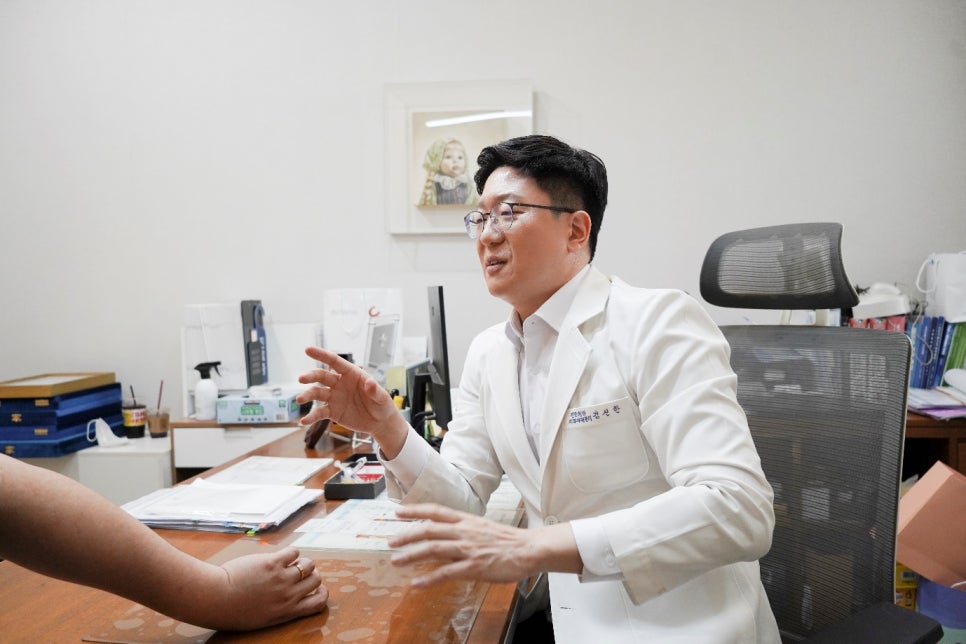
How should vitiligo be treated?
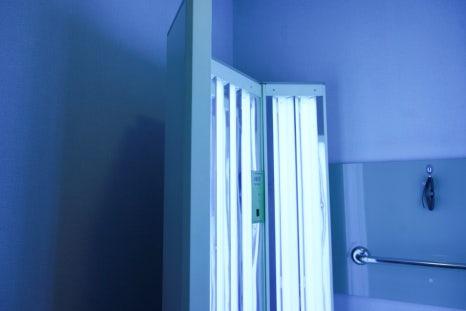
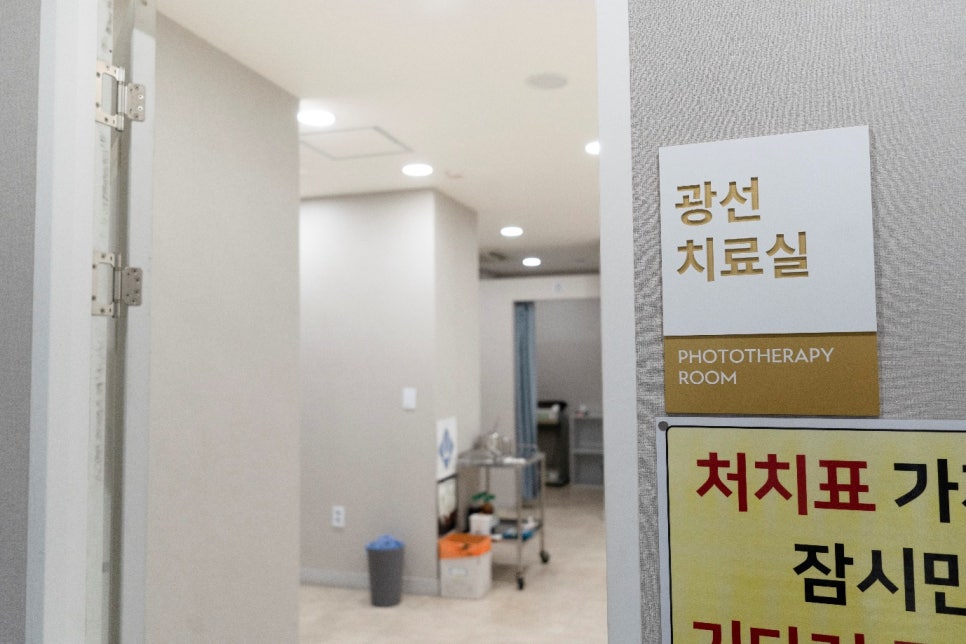
Vitiligo treatment can be carried out in various ways, but light therapy is often used.
Light therapy is a method that exposes the skin to ultraviolet light of a specific wavelength, and it can stimulate melanocytes in the skin to promote pigment production while also helping to suppress an excessive immune response.
Simply put, you can understand it as a treatment that aims to calm the immune system and awaken pigmentation through ultraviolet light.
However, during the 'active phase,' when vitiligo is spreading actively, it is more important to turn off the excessive immune response than to simply implant pigmentation.
At this time, steroid ointment can be considered.
Steroid ointment plays a role in controlling the immune response that is the fundamental cause of vitiligo, so it may help prevent worsening of vitiligo symptoms.
However, if steroid ointment is used excessively, the likelihood of exposure to various side effects may increase, so please use the ointment according to the guidance of the medical staff.

Vitiligo may be a delicate message sent by our body and mind.
Sometimes it may be a sign that the immune balance has been disrupted, or it may be the result of stress or fatigue accumulated over a long period.
The most important thing here is the mindset that allows you to listen to that signal.
Also, the key to the treatment process lies in consistency and a willingness not to give up.
Among those reading this post from Seoul Vitiligo Treatment Dermatology Clinic, if there are vitiligo patients, please be sure to understand the information delivered today and actively plan your treatment.
Thank you for reading to the end.
| This post was written for informational purposes in compliance with Article 56, Paragraphs 1 to 15 of the Medical Service Act. All treatments carry the risk of side effects and complications depending on the individual. Before treatment, please be sure to make a decision after 충분한 상담 with medical staff with extensive experience. |