Vitiligo is a skin condition that looks as if white paint has been splattered onto the skin.
Vitiligo is a disorder in which melanocytes, the cells that produce skin pigment, stop functioning or are destroyed for certain reasons, causing some areas of the skin to lose pigment and turn white.
Some of you who have read this far may be thinking, “It’s just a change in skin color—could it really be that serious?”
But the skin is the first channel that connects one person to another, and the symptoms of vitiligo affect much more than what is visible on the surface.
In particular, vitiligo often appears on areas that are easily exposed to others, such as the face, hands, and arms, which can make people overly conscious of others’ gazes and, in severe cases, lead to social avoidance or depression.
And if vitiligo develops in the teenage years or early twenties, it can have a major impact even on identity formation.
That is why, if white patches appear on your skin, you need to respond to the symptoms quickly.
Today, I will explain in detail the causes of vitiligo, skin vitiligo treatment methods, and precautions after treatment, so please stay focused from here on.
-
Causes of vitiligo
-
Skin vitiligo treatment methods
-
Preventing recurrence after vitiligo treatment

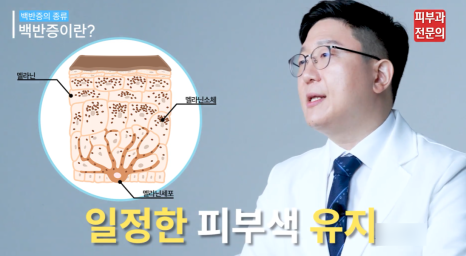
Causes of vitiligo: loss of melanin
Melanocytes are located at the very bottom of the epidermis, the outermost layer of the skin, where it meets the dermis.
They play a role in distributing pigment throughout the skin, almost like stamping it into place.
However, when an autoimmune reaction occurs, the immune system that should be fighting external invaders mistakenly identifies melanocytes as enemies and attacks them, making pigment loss more likely in various parts of the skin.
In particular, when mental stress accumulates, the balance of the immune system can become disrupted, making vitiligo symptoms more likely to appear.
In addition to the immune system, vitiligo develops through a complex interplay of many different factors.
First, there are cases in which vitiligo appears at the site of an injury or in areas that experience frequent friction; this is called the Koebner phenomenon.
In particular, people who often rub their eyes or wear tight clothing may have a higher chance of being exposed to this phenomenon.
In addition, certain chemicals such as hair dye are also being mentioned as one of the causes of vitiligo.


Skin vitiligo treatment methods can be carried out like this.
Vitiligo can be divided into active vitiligo and inactive vitiligo depending on the pattern of symptoms.
First, if vitiligo has just started or existing areas are expanding, the goal should be to stop the spread of symptoms.
At this stage, medications that may be used include steroid ointments and immunosuppressive ointments.
These are characterized by their ability to help regulate the inflammatory and immune responses that underlie vitiligo.
Through this, it may be possible to expect an effect that stops the spread of vitiligo symptoms.
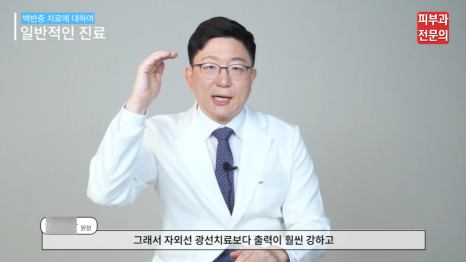
Once the spread of vitiligo symptoms has stopped to some extent, light therapy can be performed.
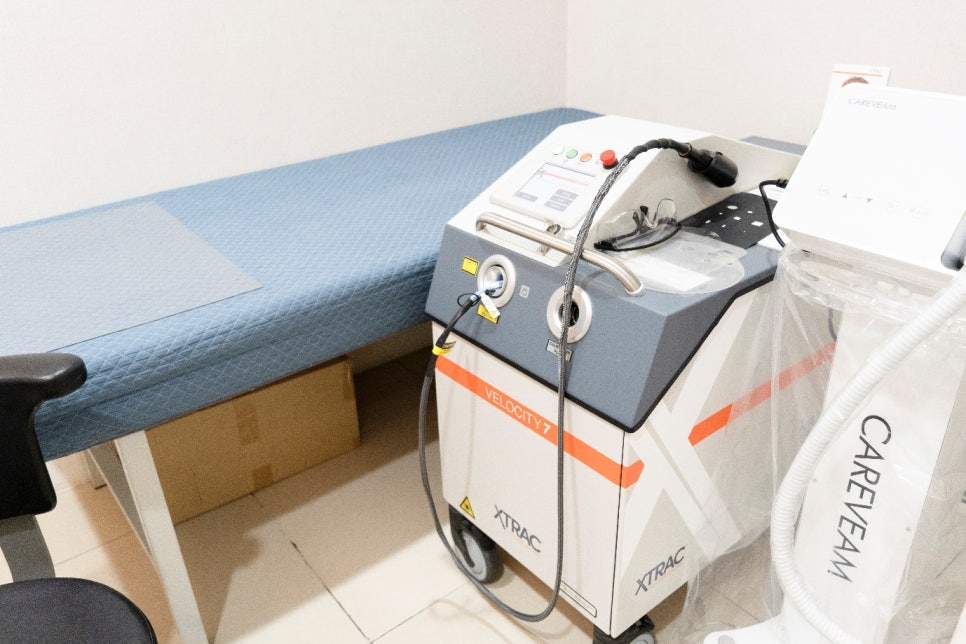
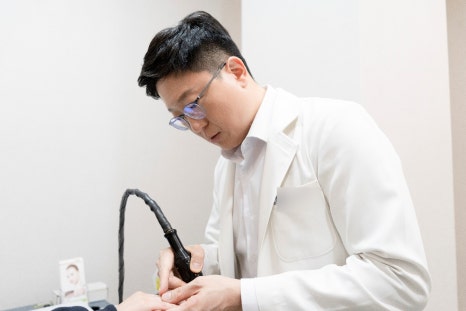
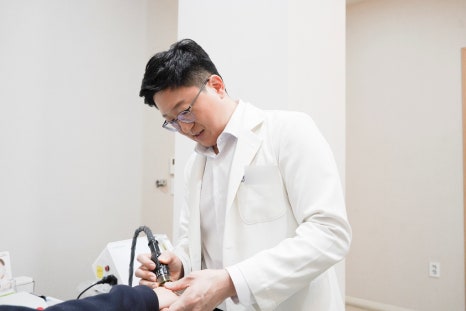
Excimer laser treatment is a type of light therapy that uses ultraviolet light at a wavelength of 308 nm, and by stimulating dormant melanocytes, it may help pigment gradually recover.
Because it selectively treats only the affected areas, it has the characteristic of causing relatively little impact on healthy normal skin.
To expect satisfactory results from excimer laser treatment, it is good to continue treatment consistently 2 to 3 times a week for at least 6 months.
However, please note that treatment of distal areas such as the fingertips or the tops of the feet may require a lot of patience.


Is treatment for vitiligo over? Absolutely not.
Just because vitiligo treatment is finished, you should never think, “I’m free now!”
Vitiligo is a chronic condition that always carries the risk of recurrence.
That is why it is important to consistently take care of your skin so that vitiligo symptoms do not appear again.
First, stress management is very important for preventing vitiligo recurrence.
Because stress is one of the strongest catalysts for autoimmune diseases, it is best to manage stress through healthy hobbies and 충분한 rest in daily life.
Second, you should reduce skin irritation that may be caused in everyday life.
Vitiligo often recurs in areas with injuries or frequent friction, the fingertips, and along underwear lines, so it is a good idea to wear clothing made of soft materials and avoid rubbing or scratching the skin.
Lastly, you should continue checking your current skin condition through regular hospital visits.
A dermatology clinic is not just a place to go when you are sick.
For chronic conditions like vitiligo, prevention and early response are important, so through regular hospital visits it may be advisable to detect small changes early and, if necessary, add ointment treatment or light therapy.
When many people think of vitiligo, they think of it as simply “a disease that makes the skin turn white.”
But behind that definition are the worries, fears, and invisible struggles of many people.
Vitiligo is not just a simple skin change; it is a skin condition that affects even the way a person sees themselves.
That is why you should not take it lightly, and it may be best to actively set up a treatment plan.
Please remember that filling in the white patches begins with the courage that the patient already has.
I hope today’s column was helpful for patients with vitiligo.
Thank you for reading to the end.
| This post was written for informational purposes in compliance with Article 56, Paragraph 1 through Paragraph 15 of the Medical Service Act. All treatments carry a risk of side effects and complications depending on the individual. Before treatment, be sure to make a thorough consultation with experienced medical staff and make your decision after that. |