Many people make an effort to block ultraviolet rays in order to maintain healthy skin tone.
Of course, applying sunscreen and making sure the skin is not directly exposed to sunlight are the first steps in protecting skin health.
However, no matter how thoroughly you block ultraviolet rays, unexpected changes can sometimes occur in the skin.
And if it is not simply a matter of the skin tanning, but the color of the skin has been lost in various areas, then beyond sun exposure, there is a high possibility that something has gone wrong with the body’s immune system.
Vitiligo is a type of autoimmune disease that occurs when there is a problem with the body’s immune system.
In short, you can understand it as an important signal that indicates changes in the immune system.
However, because vitiligo is widely known as a stubborn skin condition, many people find it difficult to start treatment.
But vitiligo is a skin condition for which sufficient symptom control can be expected through consistent treatment.
Today, Yeongdeungpo Times Square Dermatology will explain vitiligo treatment methods and post-treatment care in detail, so please focus on the following article.
-
Causes of vitiligo
-
Vitiligo UV treatment method
-
Precautions after vitiligo UV treatment

The cause of vitiligo is this.
Vitiligo may simply look like the skin has turned white.
However, there are quite complex factors hidden behind it.
As mentioned at the beginning, vitiligo often occurs due to a malfunction in the body’s immune system.
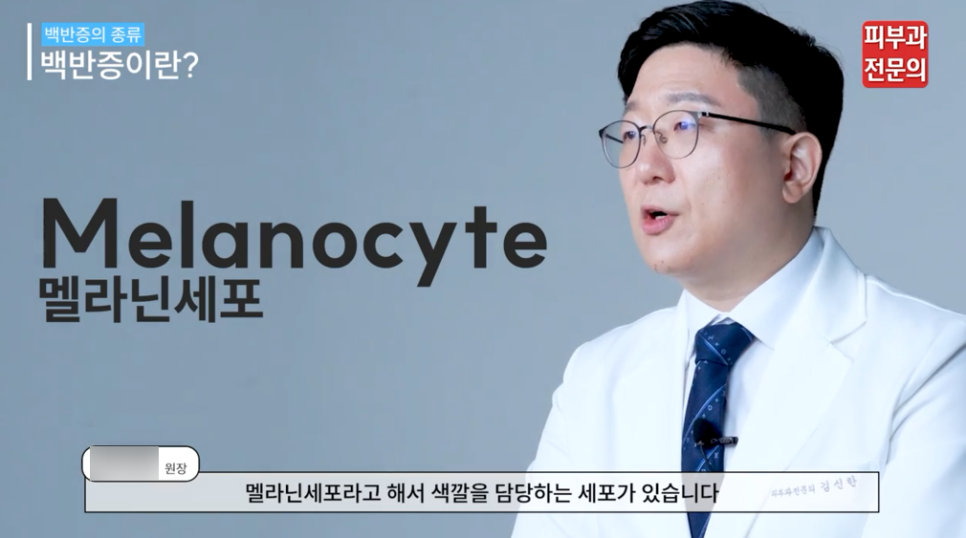
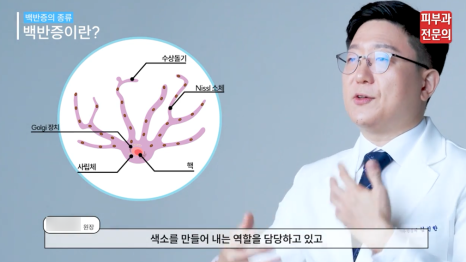
First, our skin contains very important cells called melanocytes, and these cells are responsible for giving skin its color, like ink in a color printer.
Only when these cells properly perform their role can our skin maintain a natural and even tone.
However, when there is a problem with the immune system, immune cells recognize melanocytes as enemies and attack them, causing loss of color in various areas of the skin.
Simply put, it is not just that the skin color has faded, but that the cells that made the color have disappeared.

Then how should vitiligo be treated?
Once melanocytes have been lost, they do not naturally regenerate.
In addition, depending on the type of vitiligo, the symptoms may worsen.
White spots may even spread to the entire body.
That is why you should not think, “It will get better with time,” and instead visit a hospital as soon as possible to receive appropriate treatment.
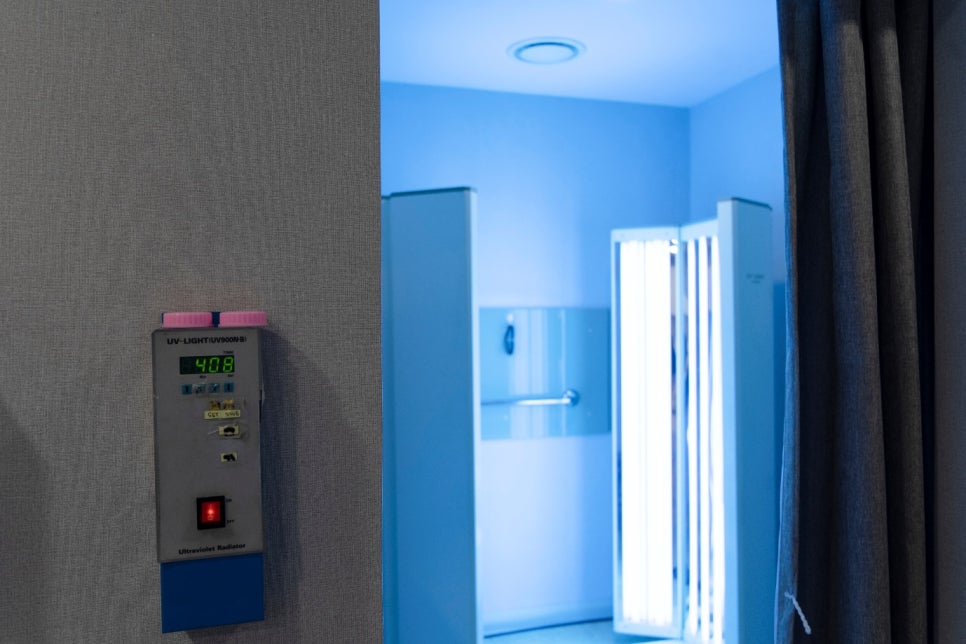
For vitiligo, light therapy, specifically vitiligo UV treatment, can be considered first.
Light therapy is, as the name suggests, a treatment method that selects a specific wavelength of ultraviolet light and applies it to the affected area.
Through this, ultraviolet B contained in sunlight can reduce the overactive response of immune cells and stimulate melanin production, helping improve noticeable white patches.
In addition, because light therapy is a non-invasive treatment that does not use injections or incisions, it has the advantage of being less burdensome.
On top of that, the pain during treatment is relatively mild, and a quick return to daily life may also be possible.
However, it is absolutely not true that longer or more frequent treatment will always produce better results.
In particular, since light therapy uses light of a specific wavelength, the intensity must be carefully adjusted depending on skin type, the location of the lesion, and ultraviolet sensitivity, so please keep this in mind.

Isn’t it over once you’ve received vitiligo treatment?
Vitiligo is not a condition that ends simply because the pigment has returned.
Vitiligo is a type of autoimmune disease caused by confusion in the immune system.
This means that if the internal system error that caused the melanocytes to die is not completely corrected, the same problem can recur at any time.
That is why it may be desirable to carry out consistent management to prevent vitiligo symptoms from recurring.
First of all, the immune system responds to stress very quickly, so you should help your body maintain a calm state through meditation, regular sleep, and light exercise.
In addition, regular health checkups, dietary management, and proper nutrient intake can help maintain a healthy immune system.
And because vitiligo is closely related to ultraviolet rays, it is a good idea to always carry basic protection such as a hat, sunscreen, and a sun umbrella, and it may be advisable to use sunscreen with SPF 30 or higher every day.
Lastly, since vitiligo often recurs due to small wounds, friction, or pressure, it is best to avoid wearing tight clothing, and you should refrain from habits such as scratching or rubbing the skin.
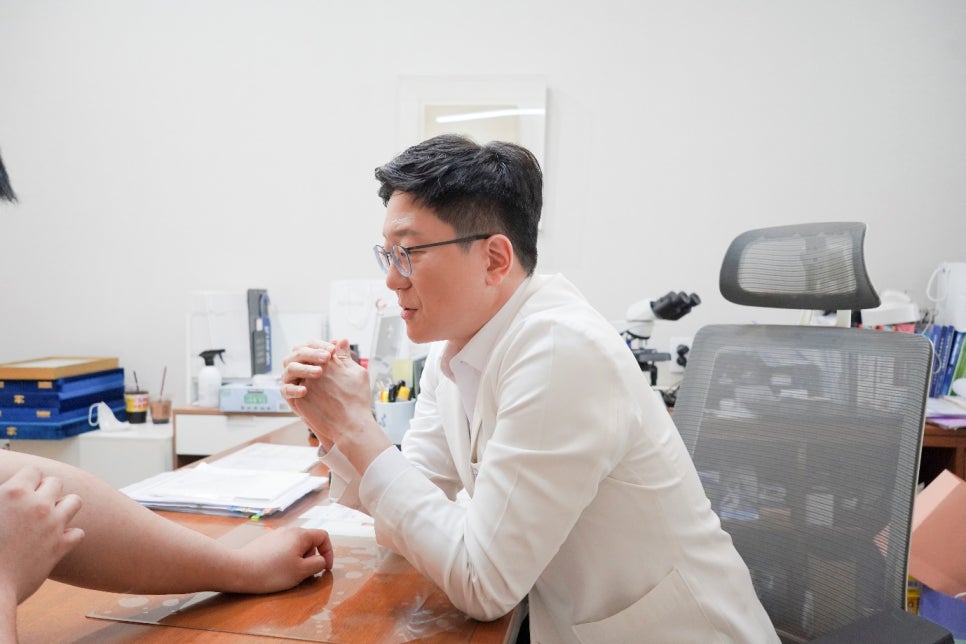

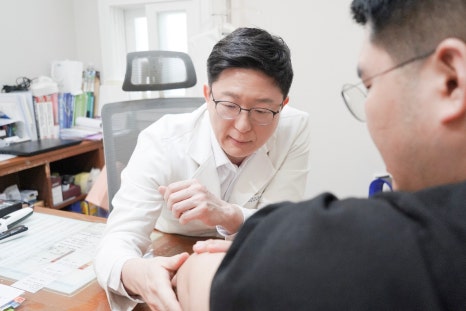
When you first hear the word vitiligo, the first feeling that may come to mind is probably fear.
A change in the skin is not just an issue of appearance; it can also shake one’s sense of self.
That is why, rather than giving up with the thought that “treatment is impossible,” it may be better to visit a hospital and plan treatment that suits your condition.
However, with vitiligo, even in the same area, the speed of treatment and treatment response can differ from person to person.
Also, since the treatment method may vary depending on the pattern of symptoms shown by the patient, please plan treatment after a thorough examination.
If you have any questions beyond the information provided by Yeongdeungpo Times Square Dermatology, please ask through the comment section below.
Thank you for reading the Yeongdeungpo Times Square Dermatology post to the end.
| This post was written for informational purposes in compliance with Article 56, Paragraphs 1 through 15 of the Medical Service Act. All treatments carry the risk of side effects and complications depending on the individual. Before treatment, please be sure to have a thorough consultation with experienced medical staff before making a decision. |