Acne is divided into non-inflammatory acne and inflammatory acne.
Non-inflammatory acne, as the name suggests, means a state in which bacteria have not multiplied.
This includes the small bumps, blackheads, and whiteheads that many people are familiar with.
These symptoms can gradually improve by maintaining careful cleansing habits and regularly exfoliating dead skin cells.
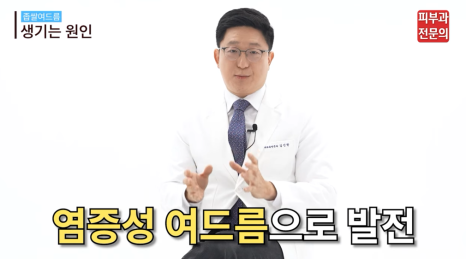
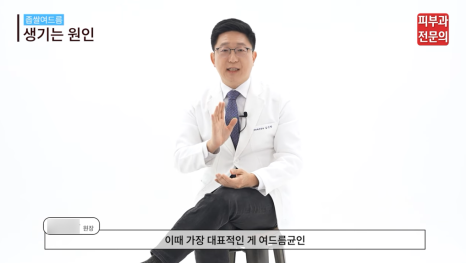
However, the problem comes at the next stage: inflammatory acne.
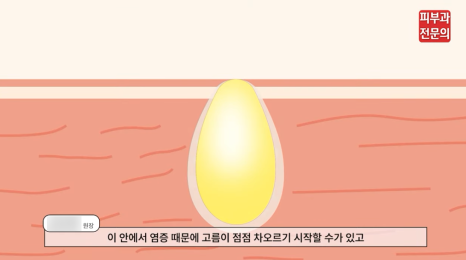
First, when sebum and dead skin cells build up inside the pores, the inside becomes like a small underground storage room with no airflow.
Then, when the bacteria known as acne-causing bacteria multiply inside, the acne can gradually swell, accompanied by a dull aching pain and a burning sensation.
In addition, the affected area may turn red, yellow pus may be observed, and if not managed properly, the lesion area can spread further.
That is why, if you are stressed by inflammatory acne, it is better not to take it lightly and instead visit a clinic to receive treatment from medical staff.
Today, I will explain in detail the treatment and management methods for inflammatory acne at a dermatology clinic specializing in inflammatory acne treatment, so please focus on the following article.
- Why you should not squeeze acne yourself
- Acne treatment methods at a dermatology clinic
- How to care for your skin after acne treatment
Why you should not squeeze acne carelessly
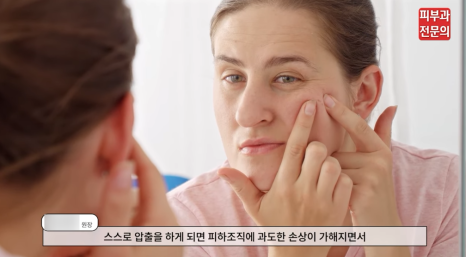
If you look in the mirror one morning and notice acne that was not there before, you may feel the urge to squeeze it right away.
However, inflammatory acne can be thought of as a time bomb inside the skin, compressed with pus, blood, inflammation, and bacteria.
Because of this, if you squeeze inflammatory acne carelessly, the pus may burst inward into the skin, and the inflammation can become even more severe.
In some cases, the affected area may even spread further.
In severe cases, the tissue inside the skin can tear and collagen can break, leading to sunken, depressed scars.
In addition, as the skin goes through the process of calming inflammation, melanocytes may overreact, which can lead to dark reddish pigmentation.
The most important point here is that acne scars caused by improper extraction do not improve naturally and may worsen over time.
That is why you should not try to squeeze acne forcefully, but instead visit a clinic and receive treatment from medical staff.
How should inflammatory acne be treated?
Inflammatory acne is not just a simple pimple.
And as mentioned earlier, if you carelessly squeeze it, a vicious cycle can repeat in which the symptoms become even more severe.
This is why it is best to receive treatment at a clinic whenever possible.
Inflammatory acne can be improved through extraction treatment and anti-inflammatory injection treatment.
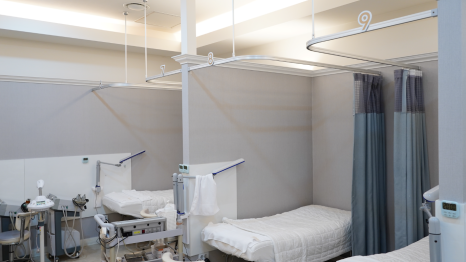
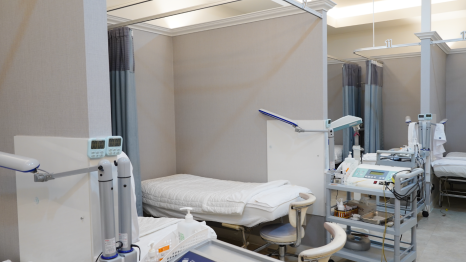
In the case of extraction treatment, the pores are opened using hot steam, and the pus and inflammation inside are carefully removed.
If needed, anti-inflammatory injection treatment using steroids can also be performed, helping inflammatory acne improve more quickly.
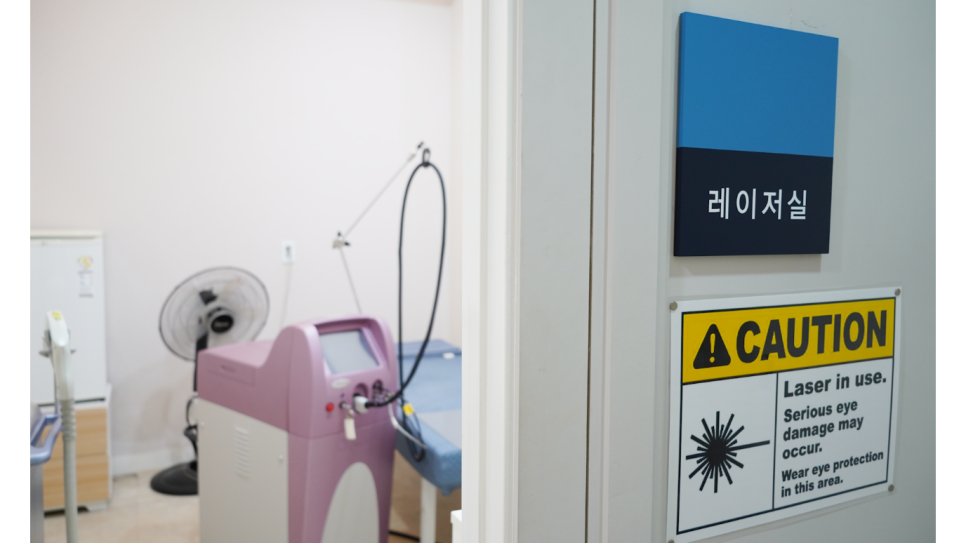
However, for those whose acne is spread over a wide area, it may be possible to expect more satisfying improvement not only through anti-inflammatory injections and extraction treatment, but also through sebaceous gland laser treatment.
Sebaceous gland laser treatment uses energy at a specific wavelength to suppress sebum production, which is the root cause of acne.
Through this process, the underlying cause of acne is corrected, and acne spread over a wide area can improve.
However, not everyone can expect the same results from sebaceous gland laser treatment, so please visit a clinic and undergo a detailed examination.
How should you care for your skin after inflammatory acne treatment?
Inflammatory acne is a skin condition caused by increased sebum production.
In addition, if dead skin cells do not shed properly, sebum and dead skin cells can clog the pores and cover the pore opening like a lid.
That is why, even after acne treatment, you should continue consistent care so that dead skin cells and sebum do not build up inside the pores.
First, this is obvious, but it is best to remove dead skin cells and sebum from the skin through thorough cleansing.
However, right after acne treatment, the skin is in a very sensitive state, so it may be advisable to avoid irritating products and exfoliation for the time being.
After cleansing, it also helps to protect the skin by applying products rich in moisture and soothing ingredients.
Lastly, frequently touching your face can stimulate the sebaceous glands, transfer bacteria, and reignite inflammatory reactions, so please make sure to correct the habit of touching your skin.
Many people think of acne as something that will naturally get better with time.
However, acne is a more serious issue than many people think, and it is likely to leave deeper marks over time.
And those marks are not just something that appears on the skin; they can also lead to a crack in self-esteem.
So, do not try to treat acne on your own. Instead, visit a clinic and plan a treatment that is appropriate for your condition.
We hope this column from the dermatology clinic specializing in inflammatory acne treatment was helpful to acne patients.
If you have any questions in addition to the information above, please leave them in the comment box below.
Thank you for reading the article from the dermatology clinic specializing in inflammatory acne treatment to the end.
| This post was written for informational purposes in compliance with Article 56, Paragraphs 1 to 15 of the Medical Service Act. All treatments carry the risk of side effects and complications depending on the individual. Before treatment, please be sure to have a thorough consultation with experienced medical staff before making your decision. |