Many people think of atopic dermatitis as
'a condition that will get better on its own as you grow up'
'a condition you can manage on your own'
to that extent.
But atopic dermatitis is not just a passing illness.
Rather than waiting for it to pass, it is more like a condition that can become deeper and spread wider.
In fact, if atopic dermatitis is simply left untreated, the symptoms can gradually worsen and even lead to a secondary bacterial infection.
In severe cases, it can develop into a complex skin condition that disrupts daily life itself.
Not only that, children may lose sleep, adults may find it hard to focus on work, and family members may feel heartbroken seeing the suffering patient, making it a factor that affects the entire family’s life.
That is why you should not think lightly of atopic dermatitis, and it may be advisable to actively plan treatment.
Today, I would like to share information that may be helpful for those planning atopic dermatitis treatment at an atopic dermatitis phototherapy clinic, so please pay close attention from here on.
-
The effects of repeated scratching
-
Atopic dermatitis phototherapy
-
Precautions after phototherapy for atopic dermatitis
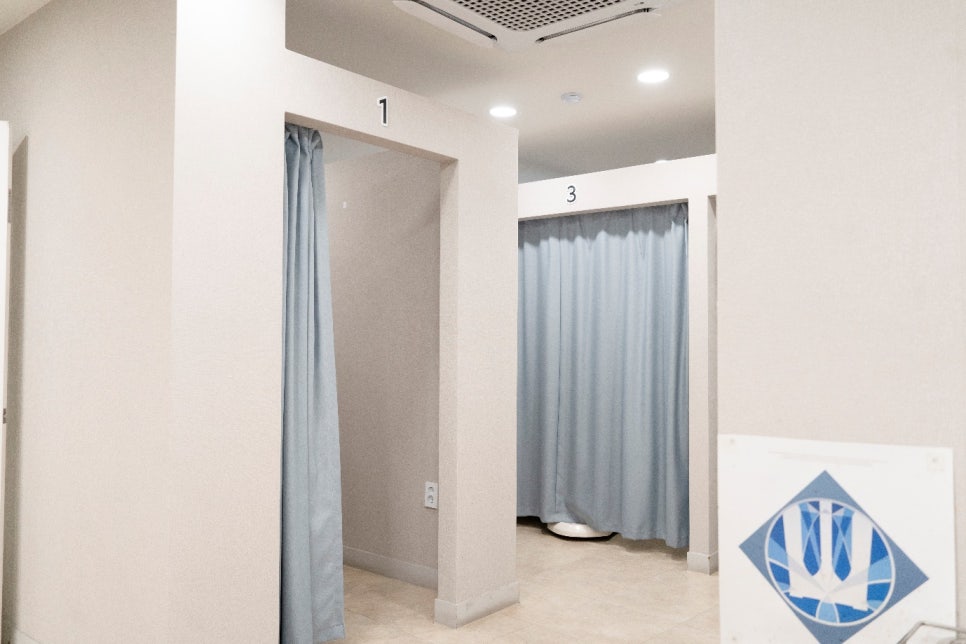
Atopic dermatitis: Why does secondary bacterial infection occur?
"Don’t scratch!"
If you are a patient with atopic dermatitis, you have probably heard this countless times.
However, atopic dermatitis is a skin condition whose hallmark symptom is itching, and it is truly difficult to resist.
In patients with atopic dermatitis, the skin barrier is weakened like a dry crust, and as a result, it is affected by various allergens, causing itchiness that can feel more severe than in other people.
And to relieve it, many people cannot withstand the itching and end up scratching the affected area.
But if you scratch the affected area without thinking, the skin is exposed to physical刺激, and more inflammatory substances can enter between skin cells.
As a result, the skin becomes more sensitive, the inflammation becomes deeper, and it can eventually lead to oozing, wounds, pigmentation, and even scars.
Not only that, it can also cause a secondary bacterial infection, leading to pus accumulation and requiring quite a long time to treat.
That is why, rather than scratching the affected area indiscriminately, it may be advisable to apply a cold compress to quickly lower the skin temperature.
However, when using a cold compress, do not place ice directly on the skin; please wrap it in a cloth and let it touch the skin indirectly.
And itching often starts with dry skin in many cases.
That is why it may be advisable to protect the skin by applying enough moisturizer.
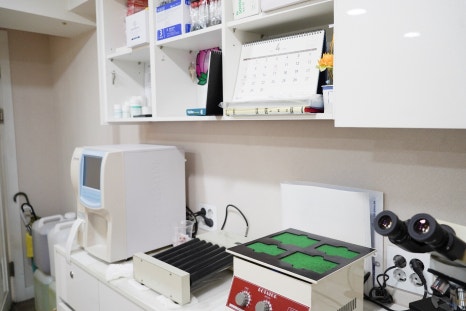
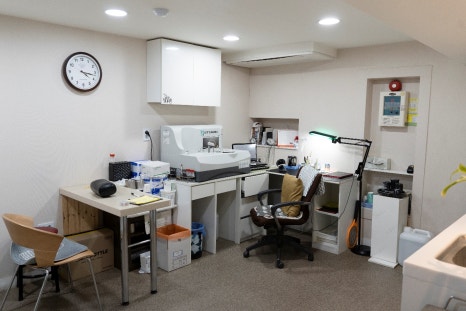
Atopic dermatitis: Is there an option other than ointment treatment?
When it comes to atopic dermatitis treatment, many people think first of ointment treatment.
In particular, steroid ointments can be said to be the first essential tool for treating atopic dermatitis.
However, when the affected area is too large, symptom improvement may be difficult to achieve with ointment treatment alone.
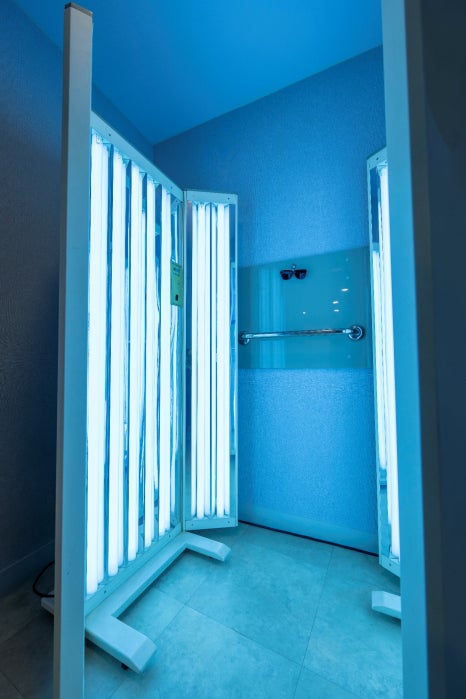
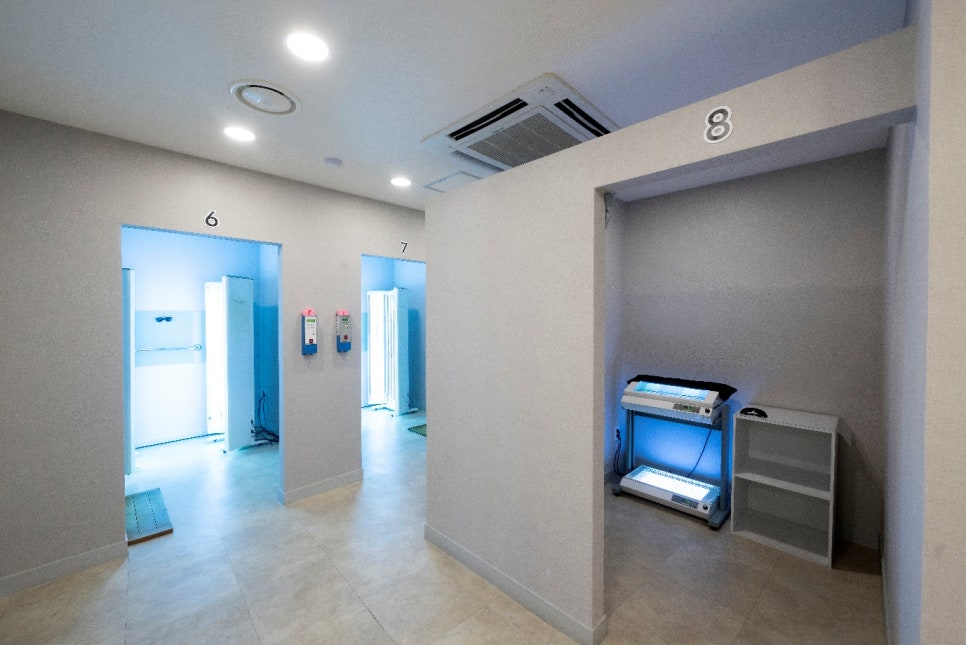
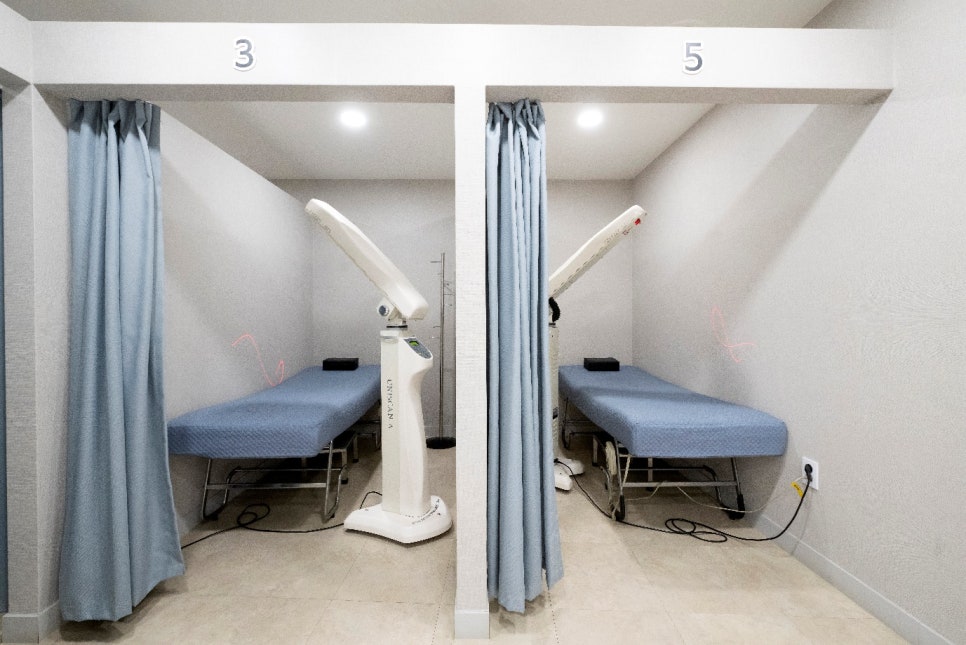
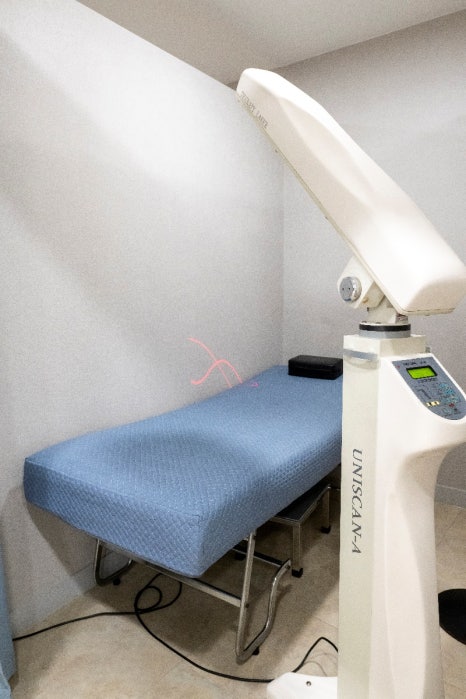
This is where phototherapy comes in.
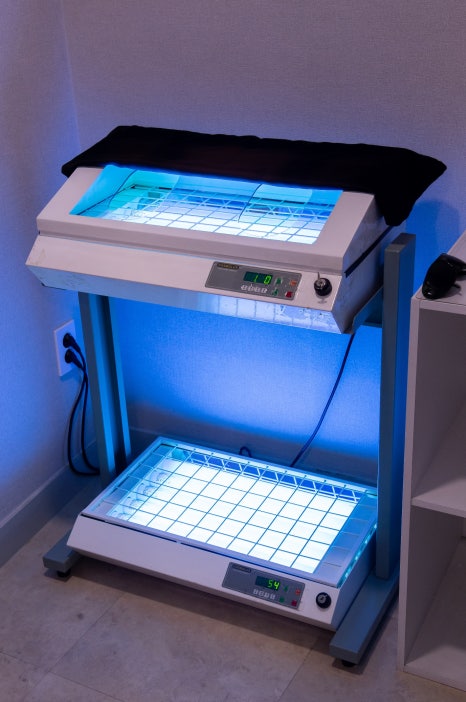
Simply put, phototherapy is a treatment method that uses light, and it has the feature of helping control the inflammatory response that causes atopic dermatitis.
And because it evenly delivers energy over a wide area, with repeated treatments you can expect the symptoms of atopic dermatitis to gradually improve.
Not only that, the treatment time is not long, and since there are no separate injections or surgical procedures, the treatment pain is relatively low.
However, if you receive excessive treatment, the skin may be damaged and become red, as if you had a burn.
So it may be advisable to strictly follow the treatment intervals and number of sessions guided by the medical staff.
In addition, after phototherapy the skin may become somewhat dry, so please pay extra attention to moisturizing care.
What should you be careful about after atopic dermatitis treatment?
Atopic dermatitis is a skin condition with a very high recurrence rate.
Of course, the visible symptoms on the outside may have disappeared, but because the skin barrier can collapse again due to various factors, you need to stay alert and maintain consistent care.
First, skin with atopic dermatitis is like a tank with holes that cannot retain moisture well.
That is why it is good to apply enough moisturizer, and when applying moisturizer, it is advisable to think of it as protecting the skin barrier and blocking irritation.
Frequent showers can also damage the skin barrier, so it is good to take a moderate shower once a day with lukewarm water.
You should also avoid scrubbing off dead skin.
Also, not all foods are a problem, but poor eating habits can become a catalyst for recurrence, so it is a good idea to identify which foods may trigger atopic dermatitis through allergy testing.
Lastly, for underwear, pajamas, and bed sheets that remain in contact with the skin for 6 to 8 hours or more, it is good to choose products made of soft cotton, and please maintain cleanliness through regular washing.
Atopic dermatitis is not an incurable disease, but a skin condition for which symptom improvement can be expected through consistent management.
And that care is not something the patient has to bear alone.
That is why, if you are feeling stressed because of atopic dermatitis symptoms, it is a good idea to seek treatment from medical staff who have an understanding of skin conditions.
The most important thing in atopic dermatitis treatment is not to give up.
Please remember that treatment for atopic dermatitis can be achieved through small efforts built up over time.
If you have any questions besides the information shared today by the atopic dermatitis phototherapy clinic, please leave them in the comment box below.
We will kindly answer them.
Thank you for reading the post from the atopic dermatitis phototherapy clinic to the end.
| This post was written for informational purposes in compliance with Article 56, Paragraphs 1 to 15 of the Medical Service Act. All treatments carry the risk of side effects and complications depending on the individual. Before treatment, be sure to have a sufficient consultation with experienced medical staff before making your decision. |