Many people carefully follow a skincare routine every morning and evening to care for their skin.
Even after properly taking care of cleansing, toner, essence, moisturizer, and sunscreen, if a white spot appears in a place you did not notice, you may feel startled and think, “Huh? What is this?”
Of course, a small white spot may seem like nothing at first.
However, if the border of this white spot is clear, you may want to suspect a chronic skin condition called vitiligo.
Unlike skin conditions such as atopic dermatitis and psoriasis, vitiligo does not itch or hurt.
But because the symptoms are very noticeable, you may end up having to deal with the discomfort of choosing clothes every time you go out and avoiding people’s gazes.
And this can lead not only to major psychological stress, but also to emotional conditions such as depression and anxiety.
This Yeongdeungpo Market Station Dermatology column was written in the hope of helping patients suffering from vitiligo symptoms, even if only a little.
We hope this post from Yeongdeungpo Market Station Dermatology will be of help to vitiligo patients.
-
How to perform a Wood’s lamp test for vitiligo
-
Causes of vitiligo and prevention methods
-
Vitiligo laser treatment methods


Vitiligo: How can it be diagnosed?
As mentioned in the introduction, vitiligo does not itch and does not cause pain.
It also does not cause peeling or oozing.
In short, vitiligo is a skin condition that spreads quietly and subtly while revealing its presence.
Vitiligo is a skin condition that forms milky-white depigmented patches, but there are many other skin conditions with similar symptoms.
For example, pityriasis alba, which commonly appears on children’s skin, and tinea versicolor, which occurs due to sun exposure or weakened immunity... there are quite a few skin conditions that show symptoms similar to vitiligo.
And the treatment methods that can be applied differ clearly for each condition.
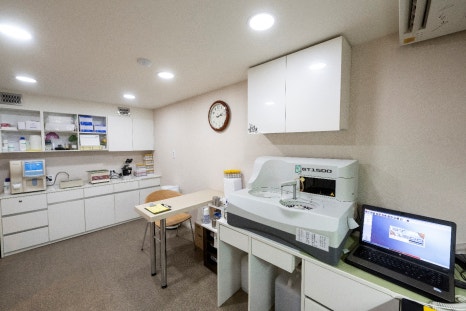
That is why it is important to go through a sufficient examination process before treatment.
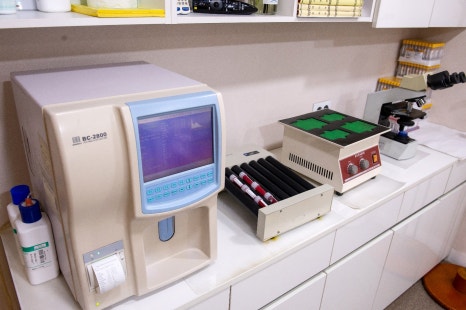
At this point, one method to consider is the Wood’s lamp test.
The Wood’s lamp test is performed by shining a diagnostic device equipped with a nickel oxide filter directly on the lesion area, allowing observation of the specific color seen in vitiligo.
However, if vitiligo symptoms can be distinguished with the naked eye, a Wood’s lamp test may not be necessary, so please visit the clinic and receive detailed guidance.



Vitiligo: What are the causes and prevention tips?
The exact cause of vitiligo has not yet been clearly identified.
However, based on the information that has been revealed so far, the condition is known to be closely related to autoimmune reactions.
Autoimmunity occurs when immune cells that protect our body mistakenly attack healthy body cells that were already functioning properly.
And when autoimmunity attacks skin cells, clearly bordered depigmented patches appear across the skin.
Therefore, to maintain a healthy immune system, it is advisable to reduce stress and develop habits that help ease tension.
In addition, sufficient sleep and a balanced diet play very important roles in maintaining immune balance, so it is best to follow them closely.
In particular, consuming nutrients that help with pigmentation metabolism and immunity, such as vitamin D, zinc, and copper, may be helpful.
Skin irritation is also pointed out as one of the causes of vitiligo, so it is best to be careful at all times to prevent the skin from being exposed to strong chemicals.
Lastly, please pay extra attention to sun protection so that the skin is not irritated by sunlight.

What should you be careful about in vitiligo excimer laser treatment?
Early vitiligo begins as very small lesions.
At this stage, many people leave the symptoms untreated, thinking, “It’s only this much...”
However, if vitiligo is left untreated, it can lead to more complicated problems than expected, and the symptoms may spread to cover the palms and extend to the arms, face, and torso.
Therefore, do not take the condition lightly and be sure to actively plan treatment.
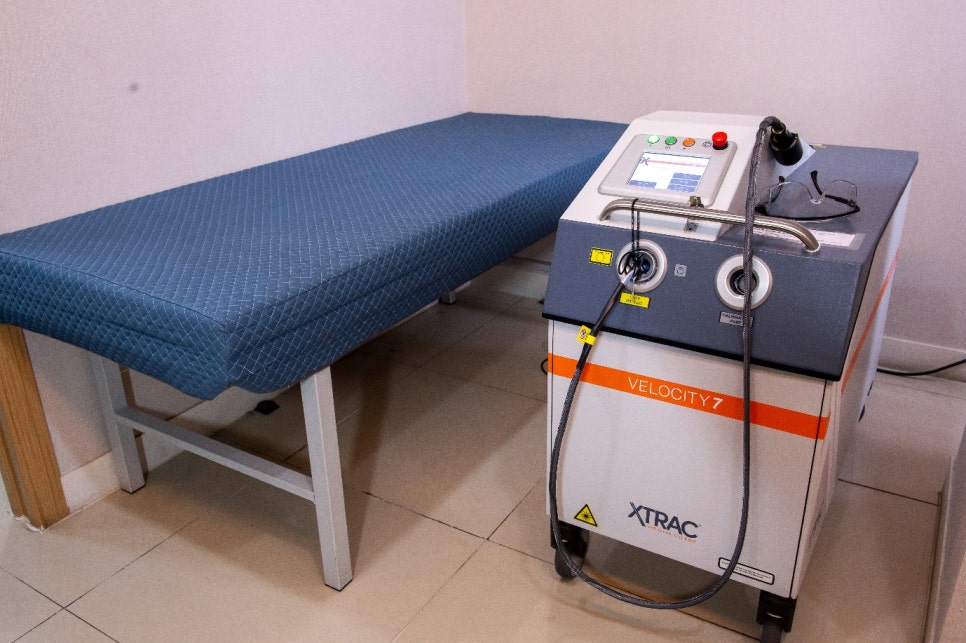
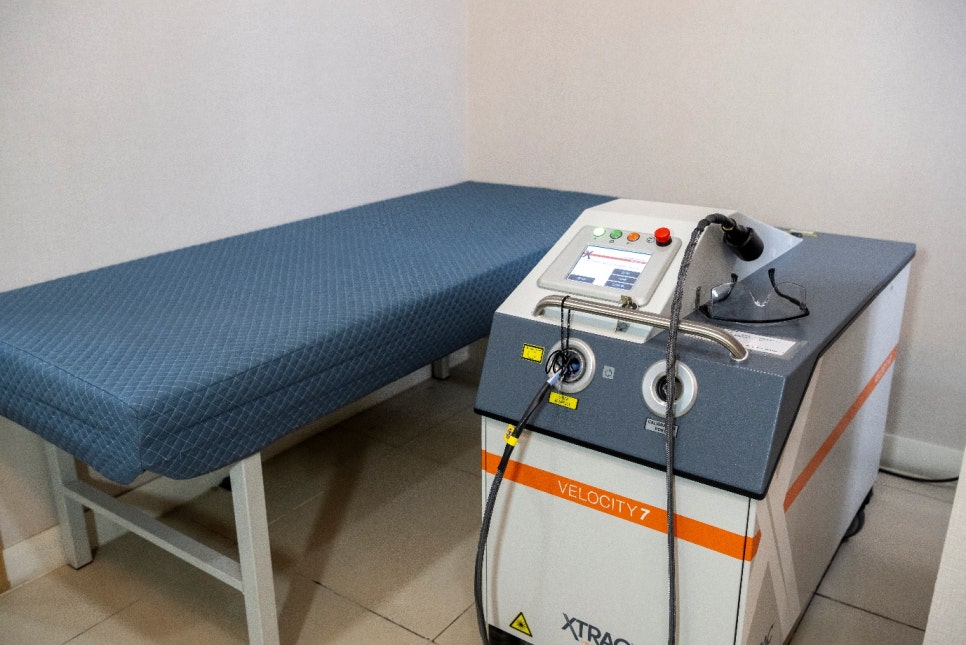
Excimer laser treatment is a widely used treatment method for various skin conditions, including vitiligo.
This treatment is carried out using a specific wavelength of 308 nm, and this light can help regulate inflammatory responses and induce the reformation of melanin pigment.
In addition, the irradiation range can be adjusted to match the lesion area, and because its impact on surrounding normal skin tissue is small, more stable results can be expected.
However, if laser energy is applied too frequently or too strongly, skin irritation reactions similar to sunburn may occur, so fine-tuned adjustment based on symptoms is absolutely necessary.
In addition, it is best to continue protecting the skin with consistent sun protection even after treatment.

 Previous image
Next image
Previous image
Next image
Vitiligo is a condition in which the color of the skin disappears.
And what disappears because of it is not only melanin.
Vitiligo is a skin condition that also takes away confidence, comfort, and a sense of ease about other people’s gazes.
Fortunately, so much research has been conducted on vitiligo, and a variety of treatments that can help improve symptoms have become available.
Therefore, please do not give up on vitiligo treatment, and visit a clinic to plan a treatment that suits your condition.
We hope this column from Yeongdeungpo Market Station Dermatology was helpful to vitiligo patients.
Thank you for reading to the end.
| This post was written for informational purposes in compliance with Article 56, Paragraphs 1 to 15 of the Medical Service Act. All treatments carry a risk of side effects and complications depending on the individual. Before treatment, be sure to have a thorough consultation with an experienced medical professional before making your decision. |