Today, I’d like to talk about a topic that is familiar but not always easy to fully understand: acne.
Acne is often thought of as just a red pimple that appears on the skin.
But in reality, it is a very complex biological issue happening beneath the skin.
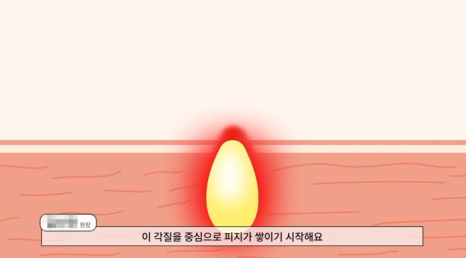
In normal skin, sebum, an oily substance, flows in just the right amount, helping protect the skin from the external environment and keeping it healthy and clean.
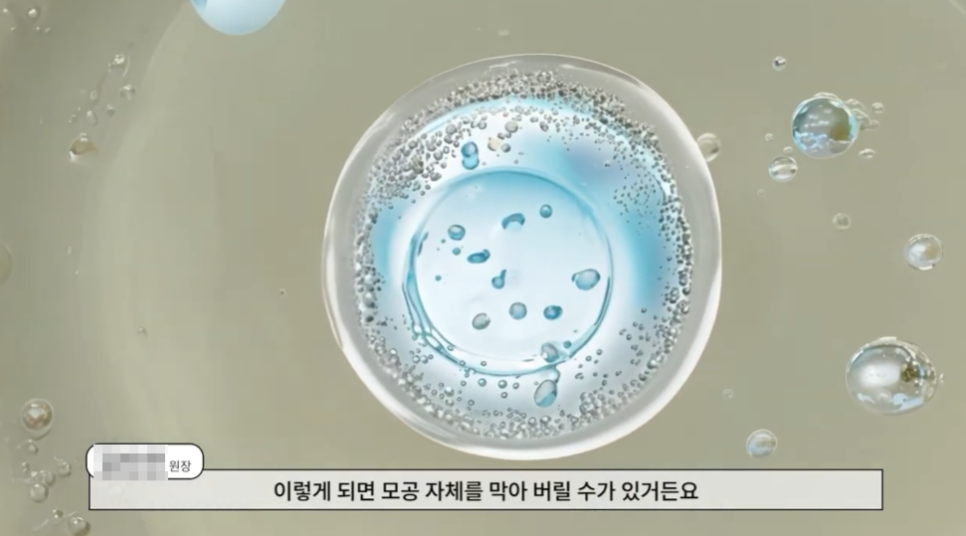
However, when too much sebum is produced, or when it keeps accumulating on the skin’s surface, the pores that serve as sebum channels become blocked, and raised bumps begin to appear.
This is what we call acne.
In fact, even if you get just one pimple, makeup may not sit properly, and you may feel uncomfortable being photographed.
A skin problem that you may have brushed off casually can end up affecting your mood for the entire day.
However, when many people hear “acne,” they tend to think, “It will probably go away on its own with time,” and simply leave it untreated.
But if acne is left untreated, a mild comedonal pimple can develop into inflammatory acne, and may even be accompanied by pus and pain.
In severe cases, it can also lead to secondary problems known as acne scars.
That is why it is best not to take acne lightly, but instead visit a clinic and actively establish a treatment plan.
From here on, I will organize in an easy-to-understand way why acne occurs and how it should be treated.
- Causes of acne
- Acne sebaceous gland laser treatment method
- Precautions after acne treatment
Acne: understanding the causes is necessary.
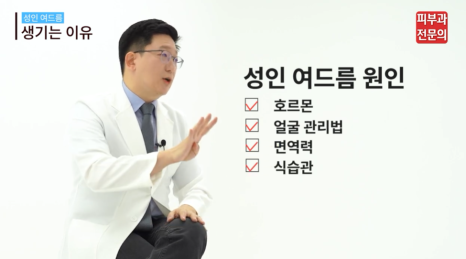
Acne does not arise from just one cause; it occurs as multiple factors become intricately intertwined.
First, I’d like to talk about sebum.
Sebum protects the skin from the external environment and helps maintain healthy skin.
But when it is secreted excessively, the pores that serve as sebum channels can become blocked, causing various skin problems.
In particular, when dead skin cells also keep building up in the area, sebum and waste products cannot be discharged and instead accumulate inside, which can lead to raised acne lesions.
In addition, as acne-causing bacteria multiply vigorously, the condition can develop into inflammatory acne accompanied by pain and pus.
Moreover, during puberty and around menstruation, hormonal balance can also be disrupted, making acne symptoms even more severe.
Lastly, while we sleep, our skin regenerates and inflammation subsides.
So if you do not get enough sleep, your skin may not have time to recover, and an unstable condition can persist.
Acne laser treatment: what is the procedure and what effect can be expected?
As mentioned earlier, acne tends to occur due to excessive sebum production.
And the key organ that controls this sebum production is the sebaceous gland.
The sebaceous gland laser I will explain today is a treatment method that can be applied to the sebaceous glands, which are the root cause of acne.
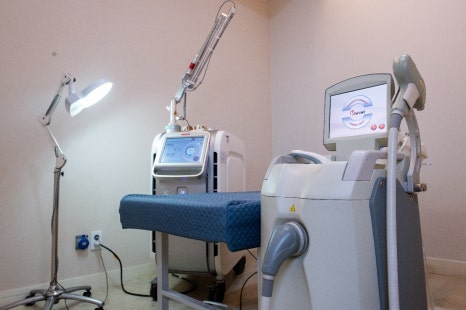
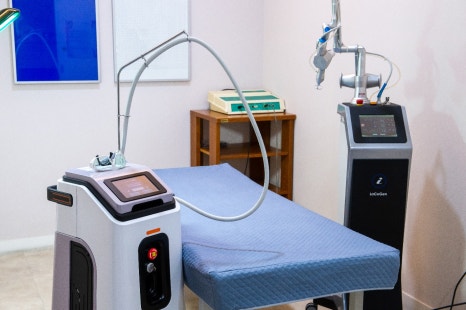
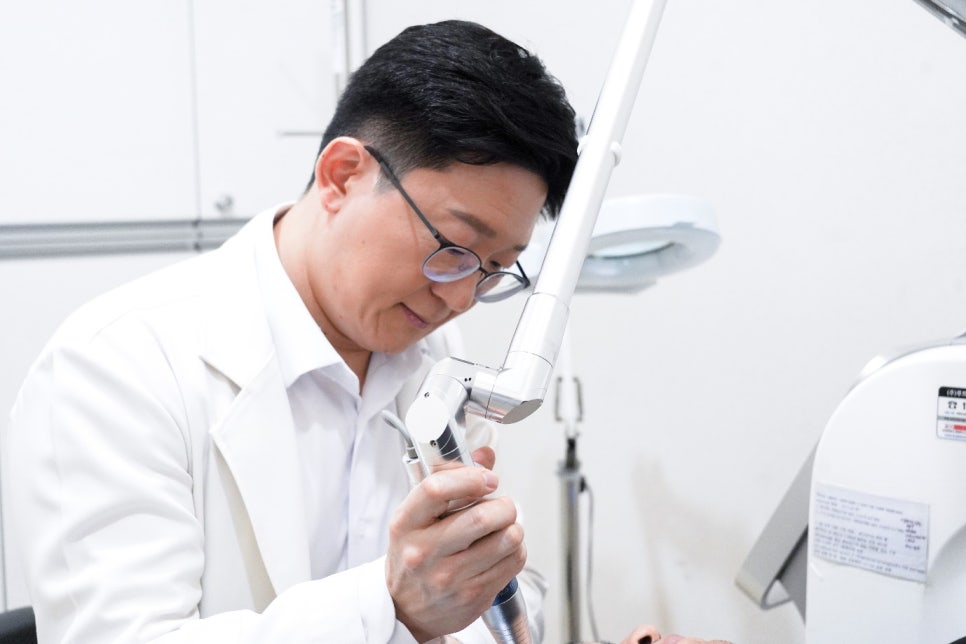
Sebaceous gland laser treatment is carried out using a 1450nm wavelength to suppress problematic sebaceous glands.
This reduces the amount of sebum produced, and you can expect improvement in acne that is spread across a wide area.
It can also be very helpful in preventing future recurrence of acne symptoms.
However, when people hear about sebaceous gland laser treatment, many worry about pain during the procedure, since it uses a treatment method based on specific energy.
But the ART laser used in sebaceous gland laser treatment is equipped with a cooling system that lowers the skin temperature to as low as minus 25 degrees Celsius, which can greatly help reduce heat-related pain and damage to the epidermis.
That said, the degree of pain felt varies from person to person, so please take this information as a general reference only.
Acne: why treatment is not the end
The advantage of sebaceous gland laser treatment is that it can be applied to the root cause of acne.
It also has the feature of helping protect the skin’s surface through its cooling system.
However, acne is a stubborn condition that tends to come back like a habit.
That is why, even after sebaceous gland laser treatment, you need to continue taking care of your skin to help prevent recurrence.
First, because acne is caused by excessive sebum production, it may be advisable to maintain clean skin through thorough cleansing.
However, if you cleanse too aggressively, your skin may sustain minor or major damage, so it is better to wash thoroughly using a low-irritation, mildly acidic cleanser.
Also, when the skin becomes dry, it may produce even more sebum, so after washing your face, you should restore the skin’s oil-moisture balance with sufficient moisturization.
In addition, if you casually touch your skin with your hands, inflammatory substances can enter the skin, leading to red, pus-filled inflammatory acne.
So it is best to be careful at all times not to touch your skin with your hands.


Acne can be seen as a signal that reflects the state of our body, our lifestyle habits, and even our stress levels.
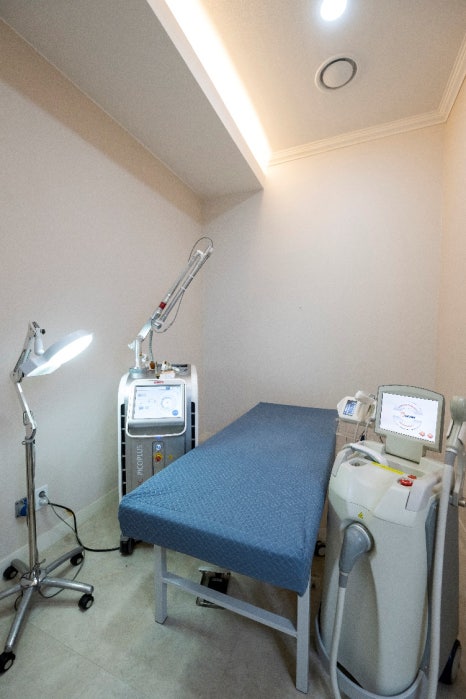
That is why it is important not to ignore or cover it up, but instead to visit a clinic and actively establish a treatment plan.
However, acne treatment may vary depending on the severity of the symptoms.
So before treatment, it is most important to undergo a thorough skin examination.
If you have any questions beyond what was covered today by Seatgang Station Dermatology, please leave them in the comments below.
Seatgang Station Dermatology will kindly answer them.
Thank you for reading Seatgang Station Dermatology’s post to the end.
| This post was written for informational purposes in compliance with Article 56, Paragraphs 1 through 15 of the Medical Service Act. All treatments carry the risk of side effects and complications depending on the individual. Before treatment, be sure to make a sufficient consultation with a medical professional with extensive experience before making a decision. |