Healthy skin naturally expels sebum and waste, maintaining a clean condition.
However, when a problem occurs in the skin, excess sebum and dead skin cells can clog the pores, and bacteria can multiply inside them, leading to raised acne lesions.
At this point, if you squeeze an acne lesion, the contents may burst out, making it feel as though the symptoms have improved.
But this is where the real problem begins.
Squeezing acne may look like something as simple as cleaning the surface, but in reality, it affects deep tissues within the skin.
And as a result, permanent acne scars may remain.
Today, at a Seoul acne scar removal dermatology clinic, we will clearly explain how to prevent these acne scars and how acne scars can be treated.
We hope this article from a Seoul acne scar removal dermatology clinic will be helpful to those who are stressed by acne scars that do not improve no matter how much they care for them.
-Today's column outline-
-
Causes of acne scars
-
Dermatology acne extraction methods
-
Types of acne scar lasers

Acne scars are caused by this.
Acne can be thought of as a small volcano deep within the skin.
In simple terms, imagine that magma made up of sebum, dead skin cells, and bacteria is tightly building up inside the pore, which is like the volcano’s vent, beneath the skin, which is like the ground.
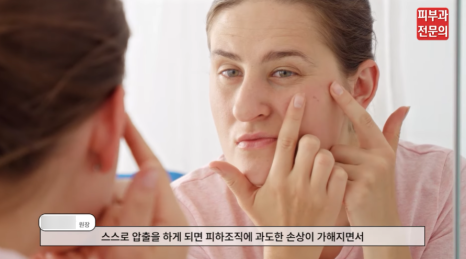
And when you press down on it with your hand, the contents burst out, giving you a momentary sense of satisfaction.
However, if you squeeze acne carelessly, it can cause major damage from the epidermis to the dermis and even the subcutaneous tissue.
The dermis is especially problematic.
The dermis contains key resources for skin elasticity and regeneration, such as collagen and elastin.
So if this skin layer is damaged, collagen and elastin are also affected, reducing the skin’s regenerative ability and eventually leading to sunken, depressed scars.
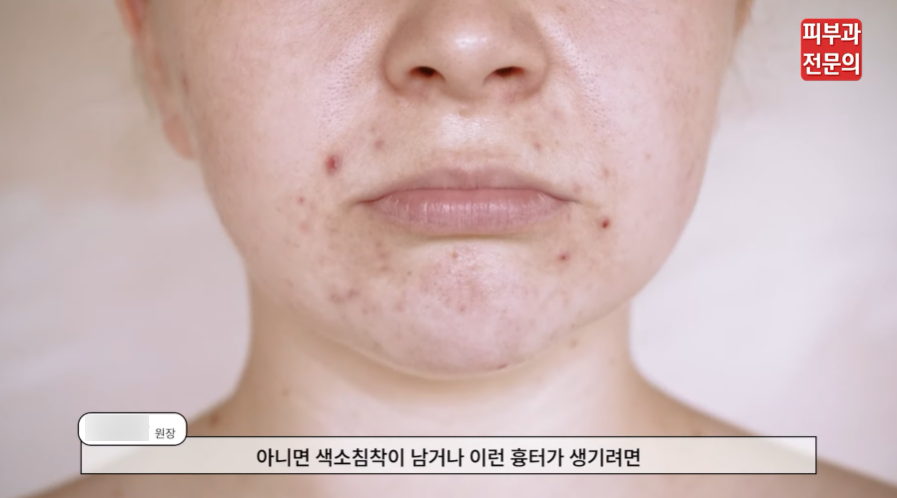
Another problem is hyperpigmentation.
Minor bleeding, inflammatory reactions, and aftereffects caused by squeezing acne can overstimulate melanocytes in the skin, leaving dark reddish marks in various areas.
How can acne scars be prevented?
As mentioned above, squeezing acne carelessly can cause a secondary problem: acne scars.
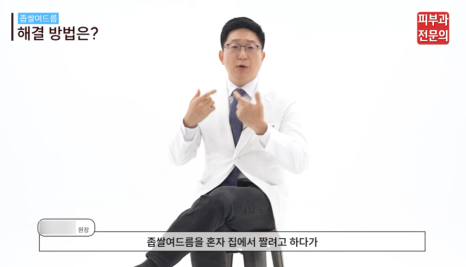
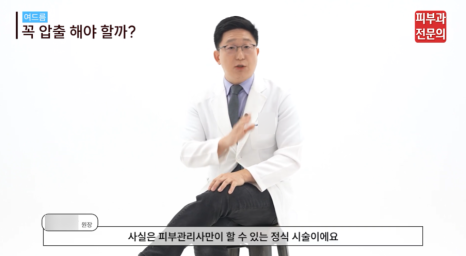
For that reason, it is best to refrain from squeezing acne on your own, and if possible, visit a clinic and receive treatment.
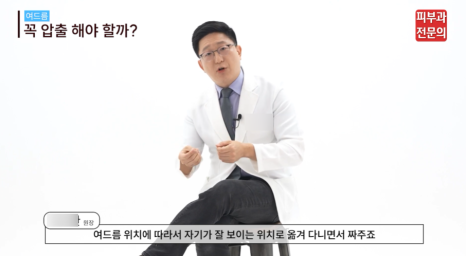
In most clinics, after disinfecting the skin, each acne lesion is carefully extracted using sterilized instruments.
The direction and intensity of extraction are also adjusted depending on the severity of the symptoms.
This can help reduce damage to the subcutaneous tissue and may provide a more stable improvement effect.
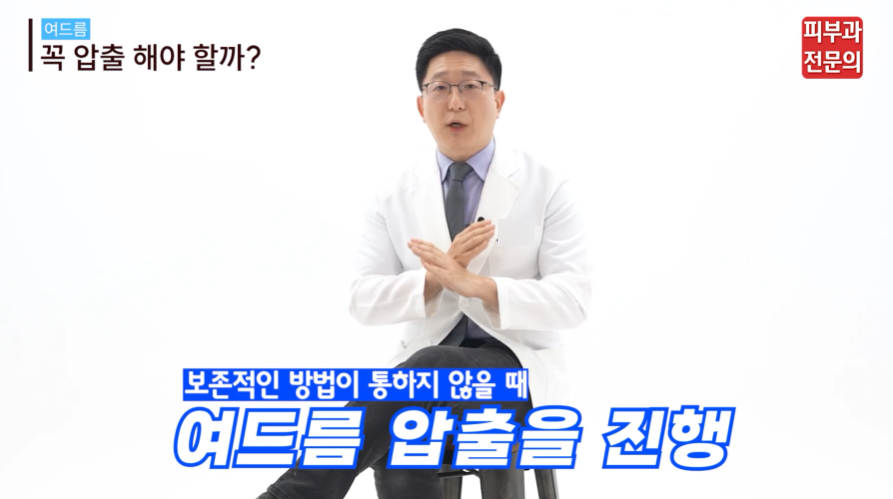
However, not all acne patients need extraction treatment, so please receive an examination from a medical professional and then establish a treatment plan.
Acne scars do not recover naturally.
Acne scars occur when the subcutaneous tissue is damaged, and they do not recover naturally.
For that reason, rather than trying to hide them or leave them untreated, it may be better to visit a clinic and receive treatment suited to your condition.
Different treatment methods may be applied depending on the form of the scar.
First, red marks caused by acne are often due to issues with small blood vessels, so Vbeam laser, widely known as a vascular laser, may be used.
This treatment selectively targets problematic blood vessels, and it may help improve redness caused by acne scars.
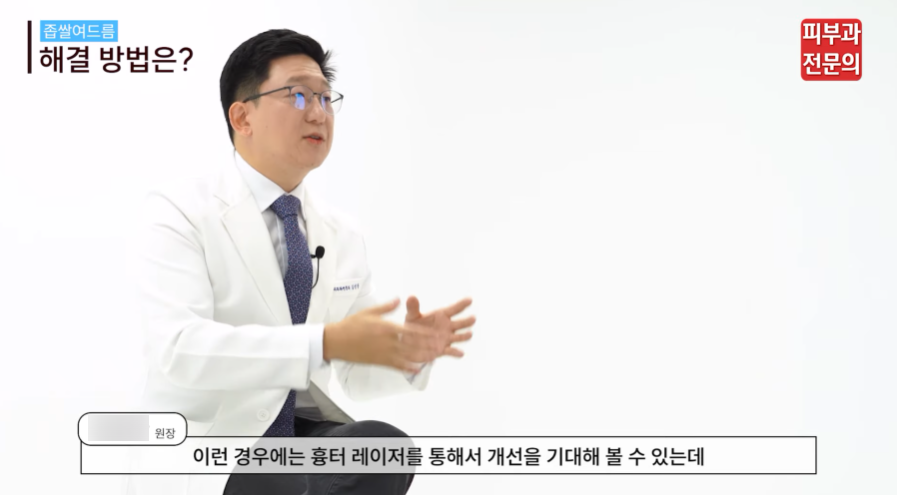
On the other hand, dark scars appear because melanocytes in the skin overreact, so it may be advisable to remove abnormal melanin through PicoHI laser.
Lastly, depressed scars are caused when collagen in the skin tears and the tissue gives up on regenerating.
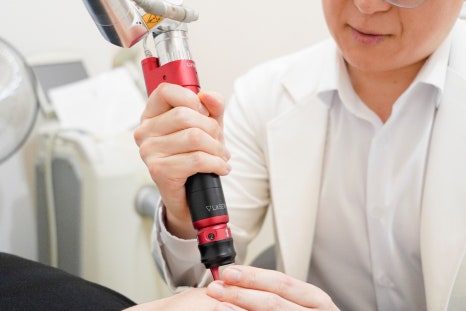
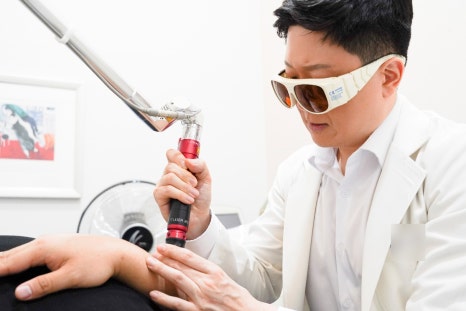
In such cases, using the MLA mode of a pico laser to induce collagen regeneration in the local area may be helpful.
However, it is difficult to expect newly formed skin to fill in a sunken area with just one treatment, so please be sure to follow the treatment cycle and intervals provided by the medical staff.
Even now, there are likely many people standing in front of the mirror, sighing as they look at their acne scars.
Acne scars can have a major negative impact not only on appearance but also on mental well-being.
Therefore, rather than trying to ignore them on your own, it may be best to actively plan treatment.
However, acne scars may require different treatment methods depending on the type and severity of the scar.
So please do not plan treatment based only on hearing that “this treatment method is good.” Instead, undergo a thorough skin examination first and then receive treatment.
We hope this column from the Seoul acne scar removal dermatology clinic was helpful to those who are stressed by acne scars.
Thank you for reading to the end.
| This post was written for informational purposes in compliance with Article 56, Paragraphs 1 to 15 of the Medical Service Act. All treatments carry a risk of side effects and complications depending on the individual. Before treatment, be sure to have a sufficient consultation with experienced medical staff before making your decision. |