Healthy skin has become an aesthetic element that creates a positive image.
Even on the same face, clear skin gives a bright and smooth impression, but when redness and breakouts appear, it can somehow create an impression of looking tired and worn out.
Because of this, many people are using good skincare products, drinking plenty of water, and cleansing diligently to maintain healthy skin.
However, the problem is that the world these days is not very kind to skin.
Fine dust slowly seeps into the skin every day, indoor air conditioning strips away moisture, and stress and irregular eating habits become triggers that send the sebaceous glands into overdrive.
On top of that, when heavy makeup is added to the mix, small breakouts can occur all over the skin.
And if this period is simply brushed off carelessly, acne can quickly grow more severe and lead to a chronic acne condition.
Today, at Yangcheon-gu Office Dermatology, I would like to share information that may be helpful for those who are stressed by acne that has settled in various areas of the face, so please pay close attention from here on.
- Features of non-inflammatory and inflammatory acne
- Why you should receive acne treatment at a clinic
- Treatment methods for inflammatory acne
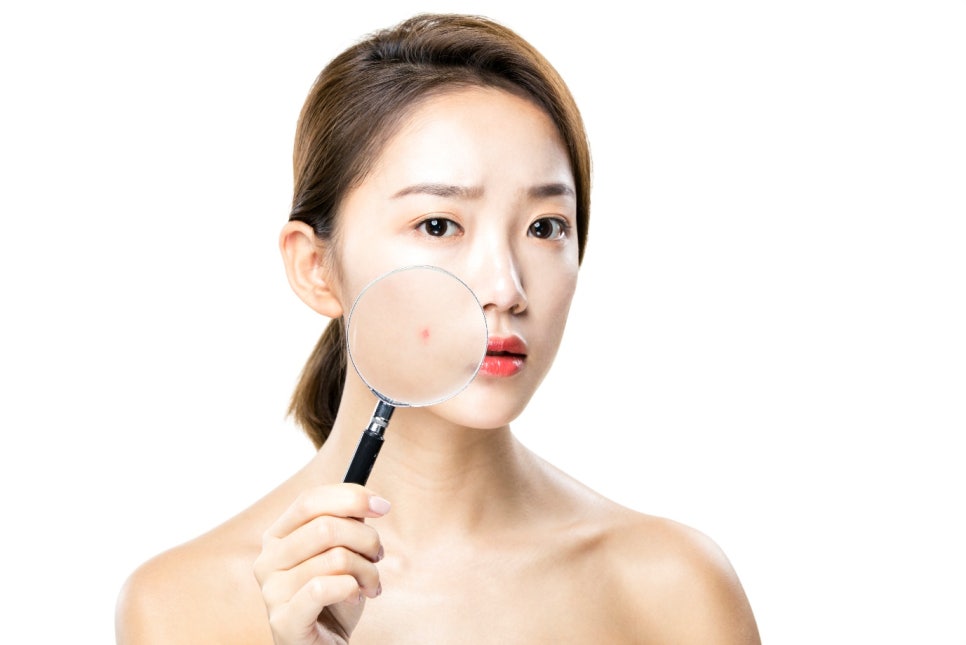
Acne is divided into several types.
Many people think of acne as just a “pimple,” but in fact, acne is a skin condition with very different characteristics even within the same category.
First, non-inflammatory acne appears in forms such as blackheads and whiteheads, which many people are already familiar with.
Among them, whiteheads are formed when excess dead skin cells and sebum block the opening of the pore, causing a white, swollen appearance, while blackheads are characterized by oxidized sebum clumps that appear black.
Also, because there is no accompanying inflammation, there may be no particular pain or itching, and improvement in symptoms can be expected through thorough cleansing.
However, if this is not properly managed, oxygen within the skin can become insufficient, allowing acne-causing bacteria to proliferate.
As the condition worsens into inflammatory acne, the lesions may become red and swollen, and yellow pus may be visible.
In addition, pain and itching caused by the inflammatory response may occur at this stage, which can cause small and large disruptions to daily life.
Can inflammatory acne just be squeezed?
When you look in the mirror and see a red, swollen pimple, you may feel like squeezing it right away.
Of course, if you press on acne with your hands or a cotton swab and squeeze it, the contents inside may be expelled, making it feel as though the symptoms have improved.
However, inflammatory acne is already in a state where pus, sebum, and bacteria are complexly clustered deep within the skin.
Therefore, if you force it out, the skin may do more than simply suffer surface damage; the deeper layers of the skin can burst open like an explosion.
In addition, bleeding within the subcutaneous tissue may occur, leaving red pigmentation, and it can also cause dark marks due to excessive melanin production.
If the dermal layer is also damaged, a sunken, depressed scar may remain.
That is why you should not try to squeeze acne indiscriminately, and should visit a clinic to receive appropriate help.
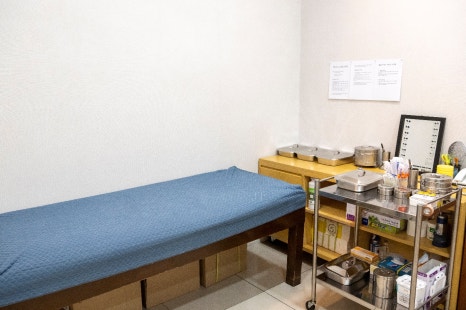
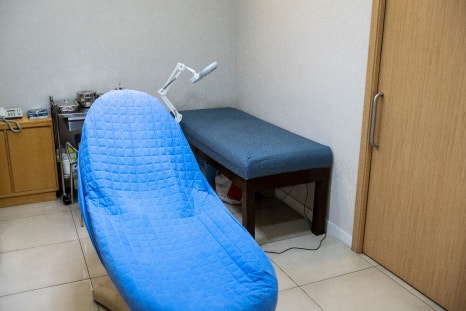
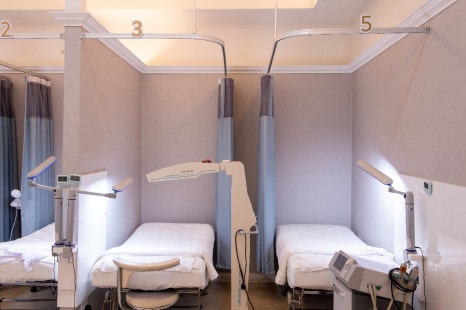
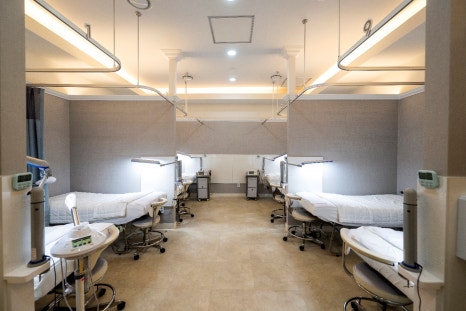
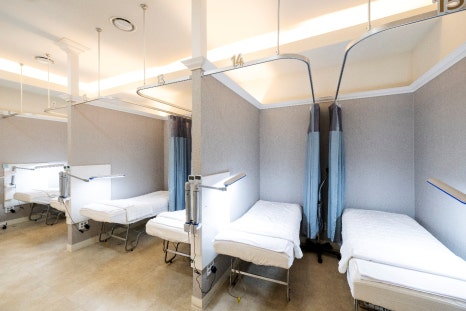
How is acne treated at a clinic?
Problems that occur after acne extraction are mostly caused by using unclean tools or applying excessive force.
However, dermatology clinics use sterilized instruments and extract acne with only the amount of pressure necessary, so a safer result can be expected.
In addition, because warm steam is used to open the pores, comedones accumulated inside the skin can be removed more easily.
But if there are not just one or two pimples, but acne spread across the entire face, extraction alone may not be enough.
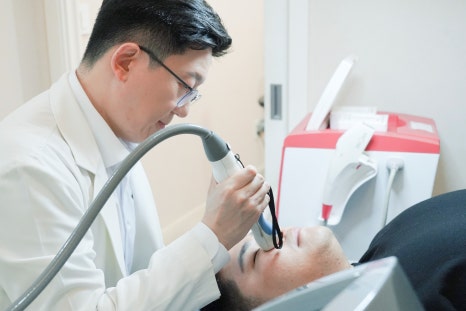
In such cases, combining the treatment with scaling can be helpful. Scaling treatment is characterized by gently removing excess dead skin cells and impurities from the skin surface while also helping to clean away sebum and debris accumulated inside the pores.
In addition, it can help regulate the skin turnover cycle and may also brighten the overall skin tone.
However, the same treatment method is not applied to everyone.
In particular, if your skin is extremely sensitive or if you have severe skin inflammation, scaling treatment may instead become a strong irritant, so please plan your treatment after consulting with the medical staff.
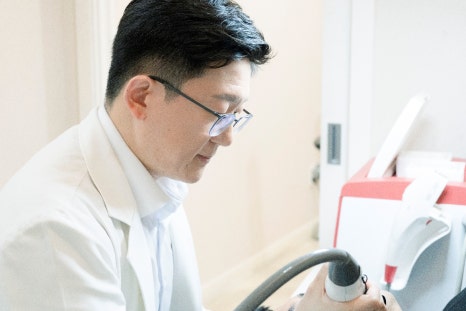
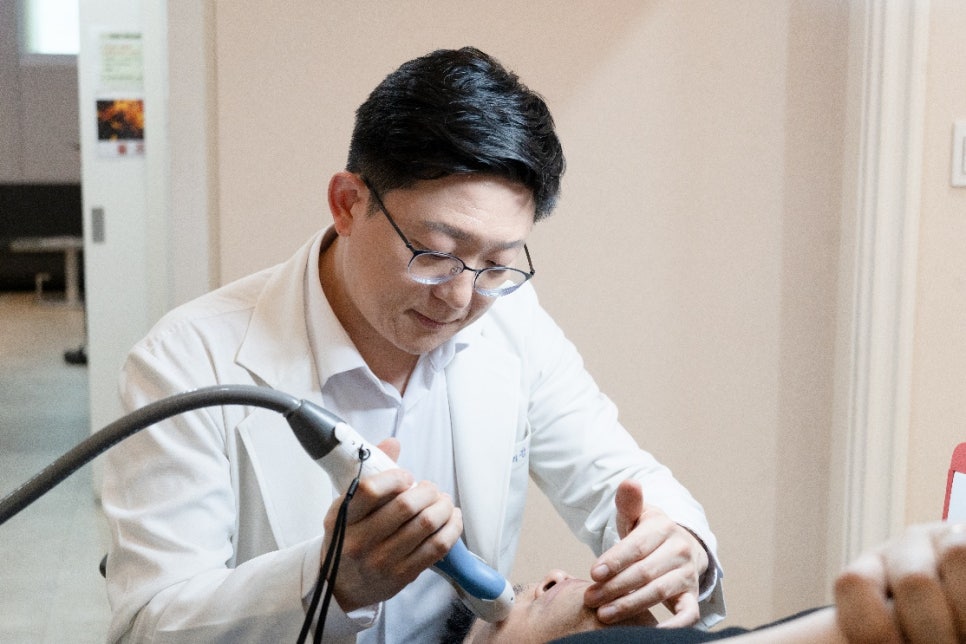
The skin is the area where changes appear first when the balance of the entire body is disrupted by factors such as stress, lack of sleep, poor eating habits, and hormonal changes.
That is why, when treating acne, you should approach it as if correcting the various problems that have built up in the body.
Also, as mentioned earlier, the appropriate treatment method may differ depending on the patient’s skin condition, so a thorough diagnostic process is necessary.
In addition, in some cases, combining treatment with medication may be helpful, so please keep this in mind.
I hope this column from Yangcheon-gu Office Dermatology was helpful to those who are stressed by acne that keeps bothering them every time they look in the mirror, and I will wrap up here.
If you have any questions beyond the information above, please ask in the comment box below.
We will kindly answer you at Yangcheon-gu Office Dermatology.
Thank you for reading to the end.
| This post was written for informational purposes in compliance with Article 56, Paragraphs 1 to 15 of the Medical Service Act. All treatments carry the risk of side effects and complications depending on the individual. Before treatment, please make sure to have a thorough consultation with experienced medical staff before making a decision. |