The skin is the body’s largest sensory organ, and it is also a window that visually reflects your health status.
That is why many people periodically exfoliate to keep their skin healthy.
Many people use exfoliating pads once or twice a week to smooth the skin, or scrubs and peeling gels to make it feel soft and smooth.
Of course, these methods can help maintain a smooth skin condition.
However, if rough skin does not recover despite diligent care, psoriasis may be suspected.
Psoriasis is a type of chronic skin disease, and its symptoms may improve and worsen repeatedly over time.
In severe cases, the symptoms can spread across the entire body, and treatment may take quite a long time.
Therefore, if you are feeling stressed by unexplained dryness, it may be advisable not to delay any longer and visit a clinic to plan treatment.
We hope this article from the psoriasis phototherapy clinic will be helpful for those who want to restore smooth, healthy skin.
-
Information on the causes of psoriasis
-
Information on complications of psoriasis
-
Information on treatment methods for psoriasis
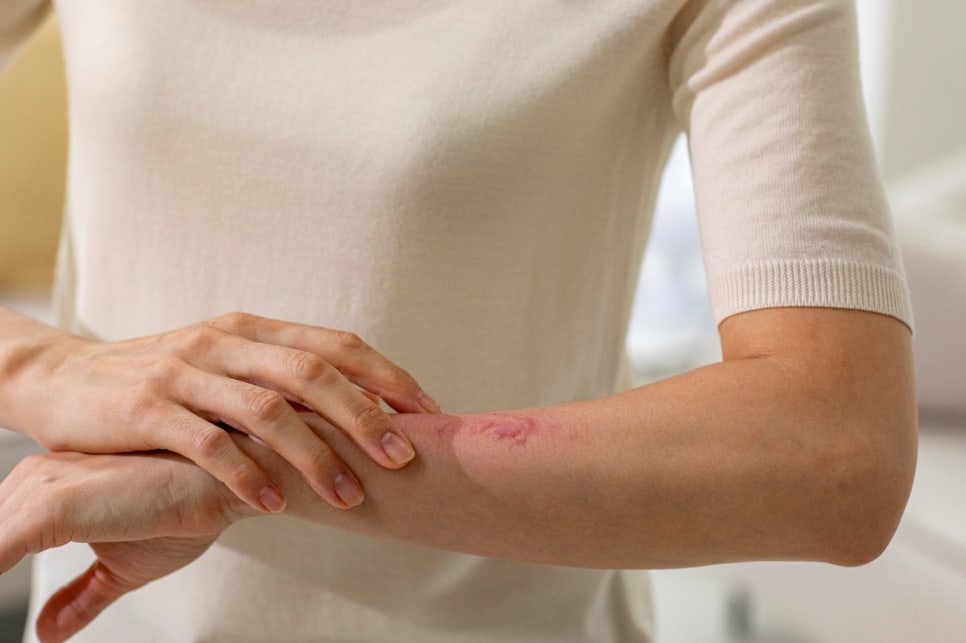
What causes psoriasis?
When people think of psoriasis, many assume it is simply a disease caused by poor skin condition.
However, although psoriasis may appear to be a problem on the surface of the skin, it is actually a skin disease closely related to the immune system inside the skin.
Normal skin replaces its cells on a cycle of about 28 days, and dead skin cells naturally shed in line with that cycle.
But if there is a problem with the body’s immune system, the skin renewal cycle can speed up abnormally, causing immature skin cells to build up in layers.
As a result, the skin becomes rough in many areas, and silvery-white, flaky scales form.
In addition, if there is a psoriasis patient in the family, the likelihood of being exposed to this condition may be relatively higher.
Moreover, upper respiratory infections such as tonsillitis or pharyngitis are also considered major causes that can trigger or worsen psoriasis, so please be especially careful.
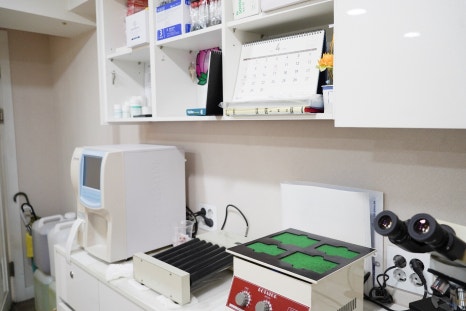
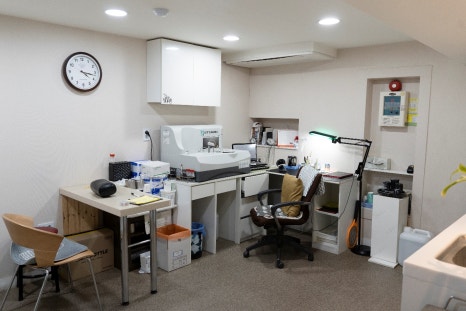
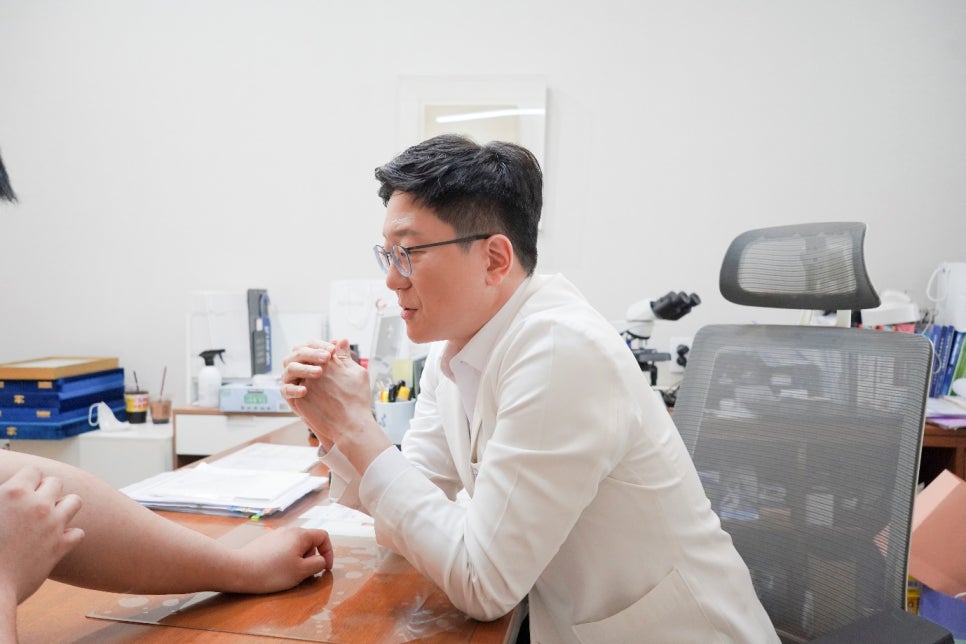
Psoriasis’s main symptoms and what happens if symptoms are left untreated
A characteristic of psoriasis is the formation of red rashes and silvery-white scales.
These symptoms often appear on the elbows, knees, shins, scalp, and similar areas.
If left untreated, the scales can build up and the condition may worsen to the point of cracking or bleeding.
At this stage, many people begin to experience everyday discomfort.
In particular, as they feel self-conscious about visible lesions, they may stop wearing short sleeves or shorts, and may avoid going to swimming pools or bathhouses.
Problems such as depression, social withdrawal, and lowered self-esteem may even occur.
In addition, psoriasis is a skin disease that can have a serious impact on overall health, and if the joints are affected, the finger and toe joints may swell severely.
Furthermore, a secondary problem that twists or deforms the joints may occur.
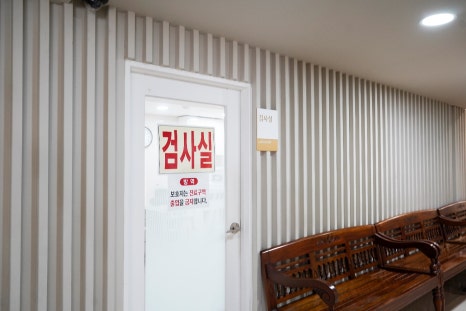


When psoriasis requires phototherapy
Psoriasis symptoms may not improve with self-care alone, and the condition may worsen to the point of affecting the entire body.
Therefore, it may be advisable to plan treatment that suits your condition before the symptoms become severe.
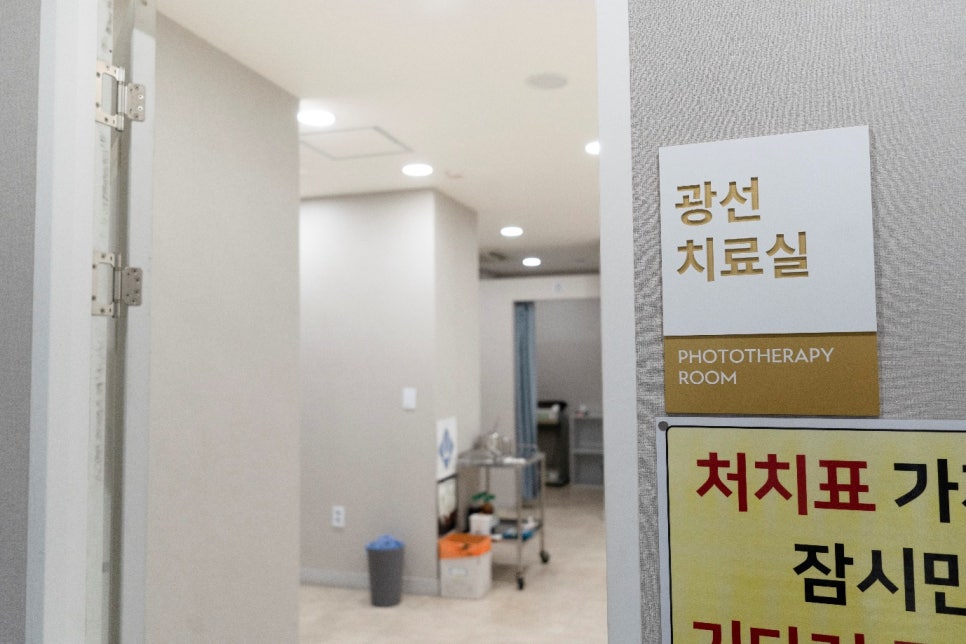
Phototherapy is a treatment option that can be considered when psoriasis symptoms have spread over a wide area.
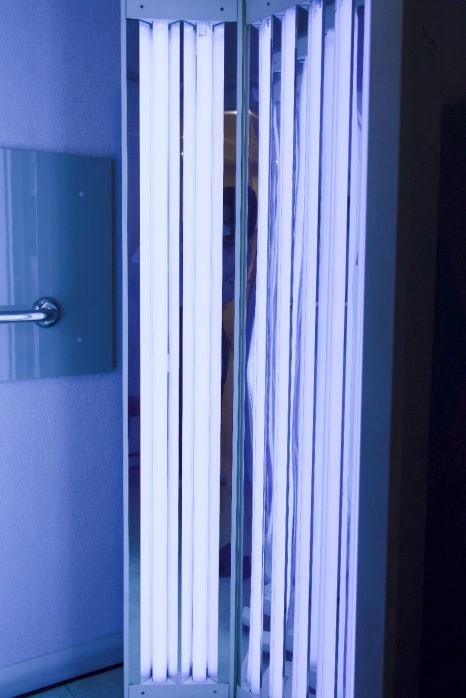
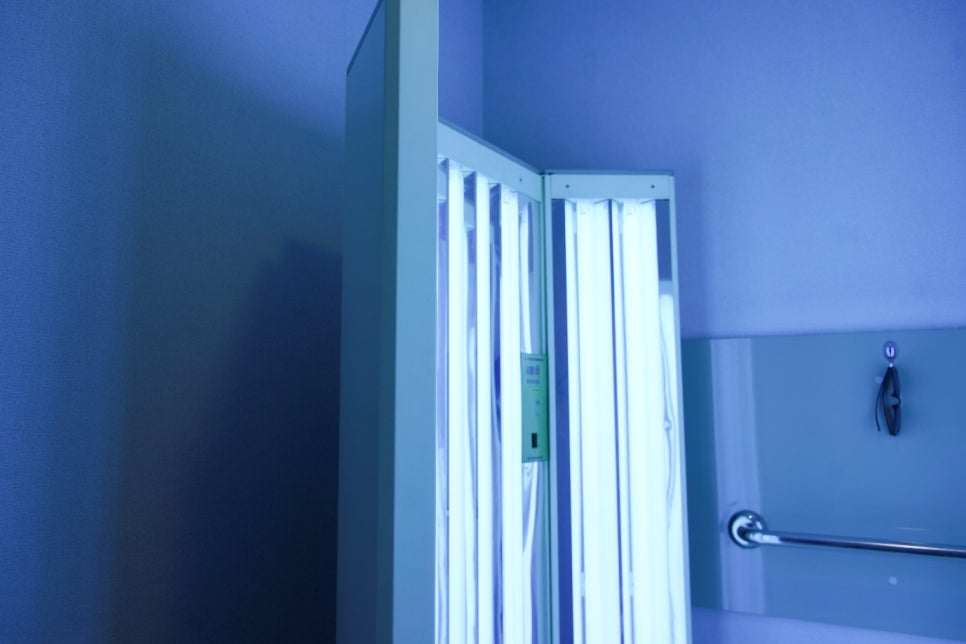
Phototherapy works by applying a 311 nm wavelength to the lesion area, gently suppressing areas where the immune response is overly active and helping strengthen areas where it is weak.
Through this process, redness and inflammation can gradually ease, the flaky scales can become thinner, and improvement in psoriasis-related symptoms can be expected over time.
However, because phototherapy is a treatment that uses specific light, there are several precautions to keep in mind.
First, if the treatment intensity is not properly adjusted during phototherapy, the skin may become red like a sunburn or develop blisters.
Therefore, the light intensity must be carefully adjusted according to the patient’s skin condition.
It is also advisable to follow the treatment schedule and number of sessions provided by the medical staff, and periodic follow-up observations can help confirm the degree of symptom improvement.
Psoriasis starts on the skin, but it can also affect the mind.
Because the symptoms are visible, people may sometimes receive more attention, and that attention often comes more as misunderstanding than understanding.
That is why it may be advisable to stay alert to psoriasis symptoms and plan treatment early.
And because psoriasis symptoms do not improve with just one treatment, a long-term treatment plan is necessary.
Also, along with treatment, we hope you will continue consistent care to maintain a healthy immune system.
We hope the column from the psoriasis phototherapy clinic was helpful to those who are stressed by psoriasis symptoms.
If you have any questions beyond the information above, please ask through the comment box below.
We will kindly answer them.
Thank you for reading the post from the psoriasis phototherapy clinic to the end.
| This post was written for informational purposes in compliance with Article 56, Paragraphs 1 through 15 of the Medical Service Act. All treatments carry the risk of side effects and complications depending on the individual. Before treatment, be sure to have a thorough consultation with experienced medical staff before making a decision. |