Atopic dermatitis is a skin condition that causes red rashes and severe dryness.
And the most common symptom of this condition is itching.
When itching occurs, it can become difficult to fall asleep at night, leading to sleepless nights. As a result, irritability may increase, and concentration during the day can also decline.
In severe cases, repeated scratching can cause the skin to gradually thicken, eventually leading to lichenification, in which the skin itself becomes altered.
In addition, it can lead to pigmentation and hypertrophic scarring.
In short, you can think of it as having a significant negative impact on both physical and psychological well-being.
Today, I’d like to share information that may be helpful for those experiencing itching due to atopic dermatitis.
I hope this article from a dermatology specialist at Yeongdeungpo Times Square will help you plan your atopic dermatitis treatment.
- Causes of itching in atopic dermatitis
- Treatment methods using atopic steroid ointment
- Precautions for atopic steroid ointment treatment

Why does itching from atopic dermatitis occur?
Atopic dermatitis basically presents with a weakened skin barrier.
A weakened skin barrier means that moisture is not well retained and the skin is easily exposed to external irritants.
So what exactly causes this to happen?
First of all, atopic dermatitis is known to be closely related to genetic factors.
In particular, if even one parent has an allergic condition such as atopic dermatitis, allergic rhinitis, or asthma, the likelihood of a child inheriting atopic symptoms may increase.
In addition, when the skin is exposed to fine dust, yellow dust, or pollutants in the air, the skin barrier can develop cracks, inflammatory substances can enter, and severe itching may result.
Also, when you are under stress or not getting enough sleep, the immune system can become disrupted, causing atopic symptoms to worsen rapidly.


Atopic dermatitis treatment: what medications can be used?
Atopic dermatitis is not a condition that waits around.
If you leave it alone thinking, “It’ll get better soon,” the symptoms can quickly worsen and spread into oozing, infection, and inflammation.
This is why early treatment is so important.
In atopic dermatitis treatment, ointments containing steroids are commonly used.
Steroid ointments work by quickly suppressing inflammatory reactions in the skin, and applying them to the affected area can help improve itching and red rashes caused by atopic dermatitis.
In addition, as the nightly itching improves, you may also experience the added benefit of sleeping more soundly.
Furthermore, since no separate surgical procedure is involved, there is less concern about pain, and there is no inconvenience of needing to visit the hospital every day.
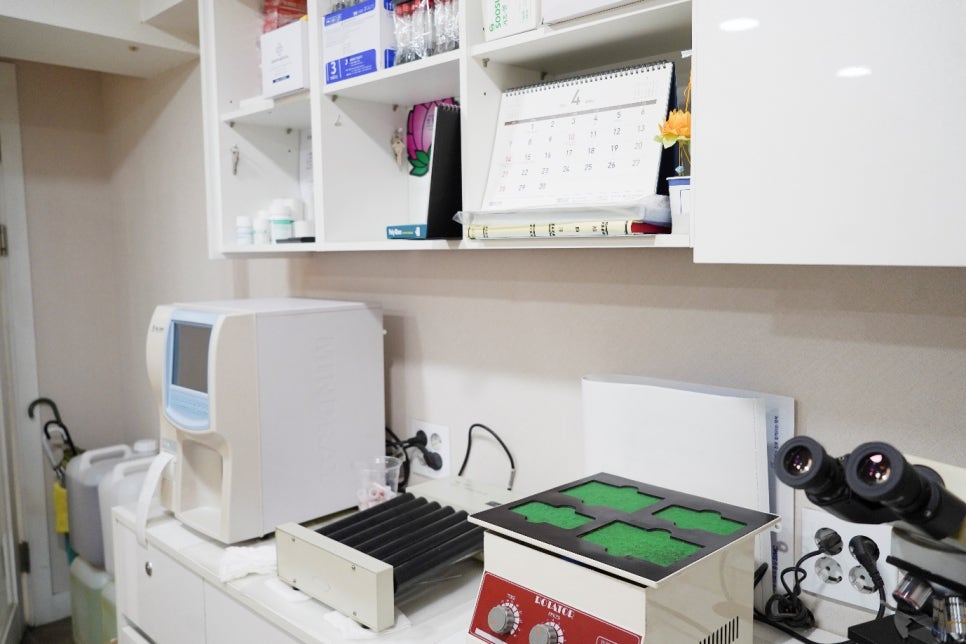


Wouldn’t steroid ointments cause serious side effects?
Because steroid ointments are often associated with side effects, many people hesitate to proceed with treatment.
Of course, if you use a strong ointment for a long time without a doctor’s guidance, side effects such as thinning of the skin and dilation of blood vessels can occur.
Steroid ointments are divided into a total of seven levels according to their strength.
If you use the medication that matches the severity of your symptoms according to the medical staff’s instructions, it can greatly help reduce the likelihood of side effects.
However, if you stop treatment on your own while using steroid ointment, steroid rebound symptoms may occur, bringing on even more severe symptoms.
So when stopping treatment, please go through a tapering process in which the strength of the medication is gradually reduced.
Also, if you use moisturizer and ointment together, the concentration of the medication may be easily diluted, so please apply the ointment after the moisturizer has been fully absorbed.

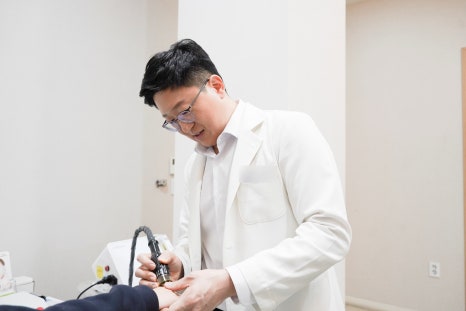
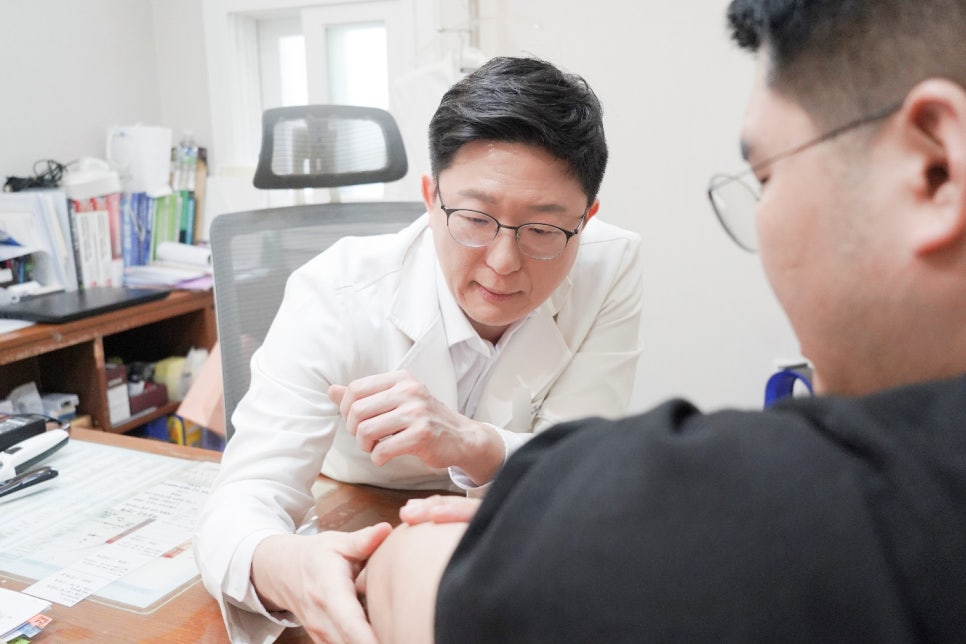
Atopic dermatitis is a condition that shakes up far more than can be expressed simply as itching and stinging.
What atopic dermatitis disrupts is daily life, relationships, and the mind.
In severe cases, it can lead to a drop in self-confidence, and thoughts such as “Why is my skin like this?” may begin to emerge.
Atopic dermatitis is by no means your fault; it simply means that you have skin that is a little more sensitive and delicate.
And that sensitivity is a characteristic that can improve sufficiently through consistent treatment and management.
So if you are feeling stressed day after day because of atopic dermatitis symptoms, please visit a clinic and receive active treatment.
I hope this column from a dermatology specialist at Yeongdeungpo Times Square has been helpful for patients with atopic dermatitis, and I’ll end the article here.
Thank you for reading the dermatologist’s article from Yeongdeungpo Times Square all the way to the end.
| This post was written for informational purposes in compliance with Article 56, Paragraphs 1–15 of the Medical Service Act. All treatments carry the risk of side effects and complications depending on the individual. Before treatment, please make sure to have a thorough consultation with a medical professional with extensive experience before making a decision. |