The first impression our skin gives has a power that goes beyond just “color.”
A uniform skin tone creates an impression of being clean and healthy.
Not only that, it can make someone look polished, or give an image of being neat and sophisticated.
That is why many people try to maintain an even skin tone by using sunscreen, brightening creams, and other forms of care.
However, even after using all of these methods, there are times when skin tone changes without warning.
In particular, if certain areas have become unusually lighter, you may want to suspect vitiligo, a chronic skin condition.
Vitiligo is, quite literally, a condition in which the skin turns white, and it occurs when pigment cells disappear or stop functioning.
It may start as small spots and gradually spread, or one day a large area may suddenly appear as if it has been bleached.
However, many people dismiss it as a minor skin issue and leave it untreated, or manage it in the wrong way.
But this can soon lead to worsening symptoms, so it is important to make an active treatment plan as early as possible.
Today, we will clearly explain what causes vitiligo and how it should be treated at an excimer laser dermatology clinic.
- Causes of vitiligo onset and worsening
- How to prevent vitiligo from worsening
- Information on vitiligo excimer laser treatment

Information on the causes of vitiligo
Our skin contains cells called melanocytes.
Melanocytes produce pigment and distribute it to skin keratinocytes.
Thanks to this function, our skin can maintain an even tone.
However, when the immune system, which is supposed to eliminate outside invaders such as viruses, bacteria, and infections, attacks normally healthy melanocytes, certain areas of the skin can lose color.
This is called an autoimmune response.
The exact cause of autoimmune responses has not yet been clearly identified, but it is generally known to occur through a combination of external factors such as stress, infection, and skin irritation.
In addition, family history is also cited as one of the causes of autoimmune responses, so if even one person in your family has had an autoimmune disease, please pay extra attention to your daily care.

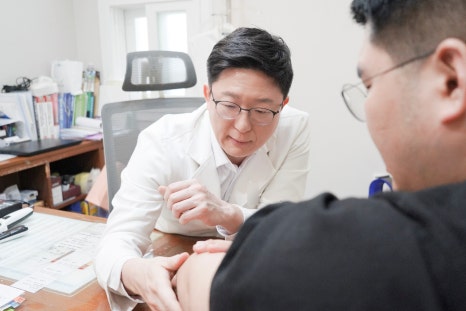
Vitiligo: what happens if you leave it untreated
Vitiligo does not come with pain or itching, and its symptoms spread more quietly than you might expect.
In fact, if you develop non-segmental vitiligo, the white patches may gradually spread and appear on the face, neck, hands, and other areas.
And this can have a significant impact not only on appearance, but also on social and psychological well-being.
That is why it may be advisable to manage it consistently so that vitiligo does not develop or worsen.
First, the most basic step is sun protection.
Because the affected areas of vitiligo have lost melanocytes, they can respond more sensitively to ultraviolet light.
For that reason, you should be sure to apply sunscreen and use a hat or parasol to physically block strong UV rays.
Second is reducing skin irritation.
If frequent irritation is repeated, such as tight underwear lines, marks from elastic bands, or repeated friction, vitiligo caused by the Koebner phenomenon may develop in those areas.
Therefore, it is a good idea to pay attention to clothing and accessories so that unnecessary irritation is not placed on the skin in daily life.
The last is stress management.
It may sound obvious, but stress is one of the strongest triggers that disrupts the balance of the immune system.
Therefore, please continue managing stress through meditation, exercise, rest, and sleep.
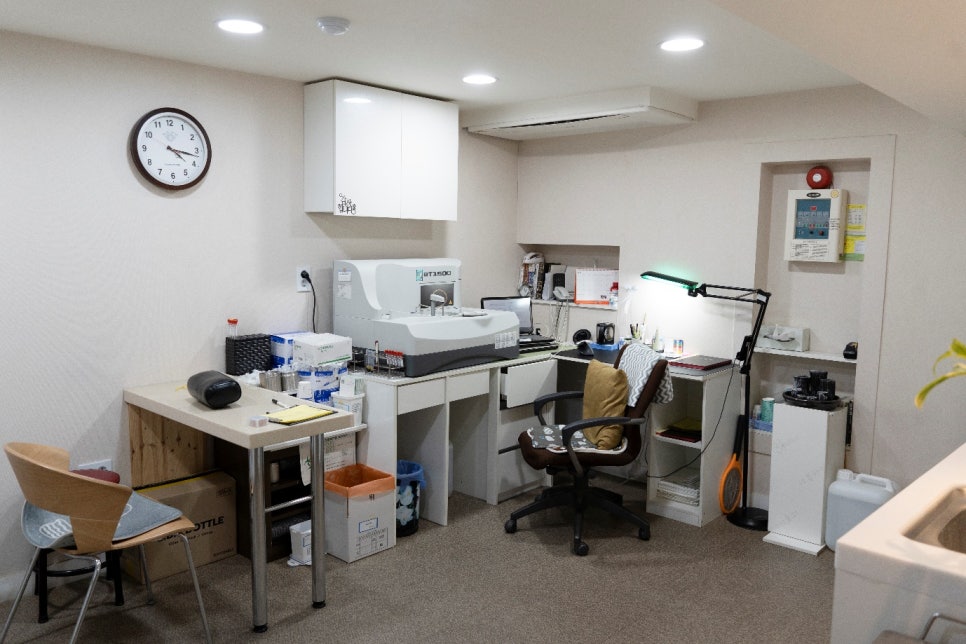


What is excimer laser treatment for vitiligo?
The most important thing for preventing vitiligo from worsening is not to delay treatment.
And because melanocytes that have been lost do not regenerate naturally, it is important to make an active treatment plan.
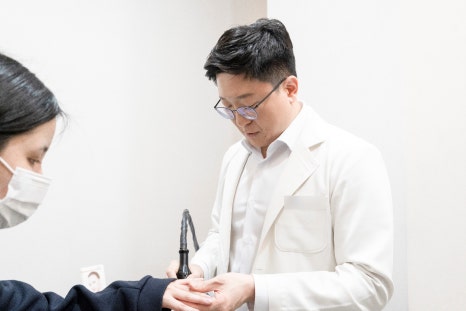
The excimer laser treatment introduced today is a widely used treatment method for various chronic skin conditions, including vitiligo.
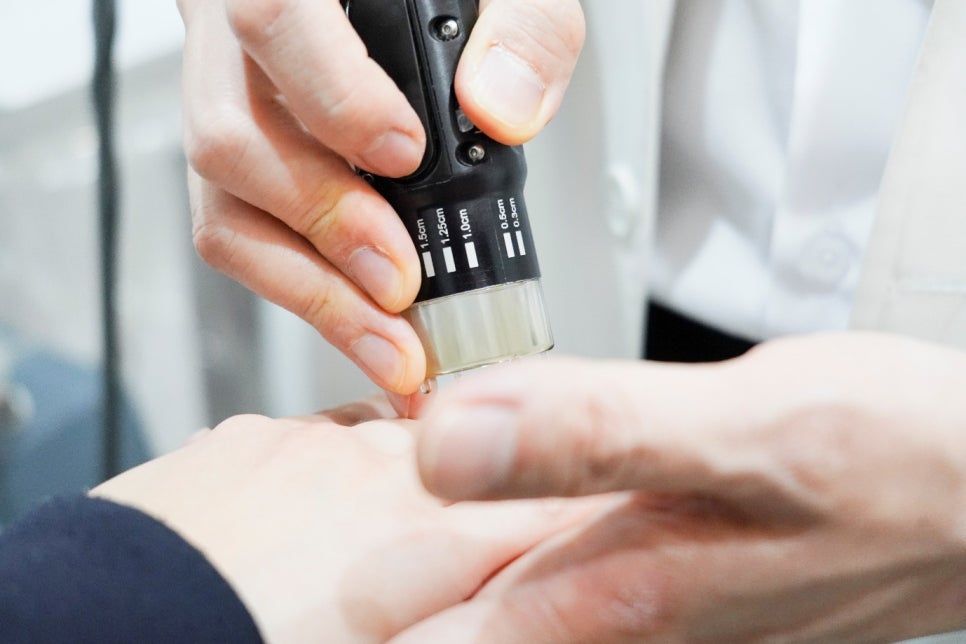
Excimer laser is a treatment method that uses ultraviolet light with a wavelength of 308 nm, and it has the characteristic of helping calm immune responses and inflammatory reactions.
It also stimulates melanocytes, helping them produce new pigment.
As a result, worsening of symptoms can be prevented, while visible depigmented patches may gradually improve.
In addition, because the laser exposure range can be finely adjusted depending on the area of concern, the impact on surrounding normal skin tissue may be minimal.
However, excimer laser is a stepping stone toward recovery, not a universally effective treatment for everyone.
Therefore, along with treatment, it is a good idea to continue sun protection, minimize friction, and manage stress in order to maintain healthy skin.
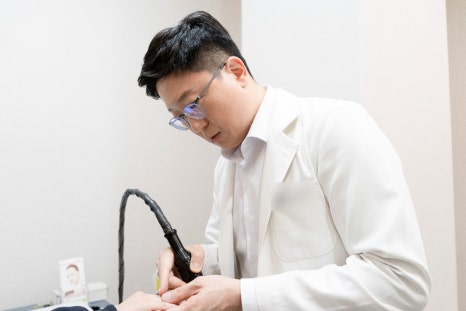
The word “vitiligo” is unfamiliar to those who have never experienced it, but very familiar to those who are living with it.
But there is one thing I hope you will definitely remember.
Vitiligo has the characteristic that meaningful symptom improvement can be expected through systematic treatment and care.
However, the treatment methods that can be applied may differ depending on the patient’s skin condition, and the speed of improvement may also vary.
Therefore, it would be advisable to keep this in mind when planning treatment.
I hope this column from the excimer laser dermatology clinic has been of some help to patients suffering from vitiligo symptoms.
If you have any questions beyond what was covered above, please ask in the comments below.
We will kindly answer at the excimer laser dermatology clinic. Thank you.
| This post was written for informational purposes in compliance with Article 56, Paragraph 1 through 15 of the Medical Service Act. All treatments carry a risk of side effects and complications depending on the individual. Before treatment, be sure to have a thorough consultation with a medical professional who has extensive experience before making a decision. |