When it comes to vitiligo, there is a strong perception that it is “difficult to treat.”
In fact, many people accept vitiligo as incurable or as something fated, and give up on treatment.
However, if you give up without even trying to treat vitiligo for this reason, the symptoms may gradually worsen over time and appear as more severe skin changes.
It can even lead to psychological withdrawal due to social perceptions, in addition to physical symptoms.
In short, please understand that this is not simply a skin problem, but an emotional condition that can reduce quality of life.
Vitiligo is also a bona fide skin disease, and with systematic treatment, meaningful improvement in symptoms can be expected.
So rather than giving up before even trying treatment, it is advisable to plan treatment as early as possible.
Today, at Saetgang Station Dermatology, I will explain in detail the causes of vitiligo and the corresponding treatment methods, so please focus on the following article.
-Today’s column outline-
-
The relationship between vitiligo causes and immune responses
-
How to prevent the onset and worsening of vitiligo
-
The principles of vitiligo immunosuppressive ointment treatment
Vitiligo: Why does it occur? The story of melanocytes in the skin
The skin maintains a healthy condition through various cells.
Among them, melanocytes are the key cells responsible for skin color.
These melanocytes continuously produce “melanin pigment” to maintain a specific skin tone.
However, if the immune system, which should be fighting off outside invaders, attacks the melanocytes that form skin color, the color of certain areas of the skin can become noticeably depigmented.
In short, it occurs due to an autoimmune response.
In addition, vitiligo can also appear to be triggered by external irritation and friction.
Furthermore, although vitiligo is not a hereditary disease, family history cannot be ignored. So if there is someone with vitiligo in your family, you should pay even more attention to managing your immune health.



How should vitiligo be managed?
Vitiligo is a condition that does not stop easily once it begins.
Like ink slowly spreading, it can spread to surrounding areas, and if left alone with the thought that “it’ll probably be fine,” it can eventually affect exposed areas such as the face or hands.
That is why it is best to prevent the onset and worsening of vitiligo through consistent care.
First, as mentioned earlier, vitiligo is a type of autoimmune disease.
And autoimmune responses are closely linked to stress.
When you are stressed, the body’s immune system becomes activated, and in the process, melanocytes are attacked.
Therefore, it may be advisable to manage inner stress by following routines such as exercise, meditation, and regular sleep.
Also, since vitiligo can worsen easily due to external irritation, it is best to avoid frequently rubbing your eyes or scratching your skin because of itchiness.
In addition, excessive ultraviolet exposure is one of the major causes of attacking melanocytes.
Therefore, it is a good idea to make a habit of applying sunscreen throughout all four seasons, and on days when the sunlight is strong, actively use a wide-brimmed hat, sunglasses, and a parasol.



Vitiligo ointment is intended for the following purpose.
Vitiligo is not simply a phenomenon in which the skin turns white; it is an autoimmune disease that occurs when the body’s immune system attacks itself.
Therefore, the goal at this stage should be to calm the overactive immune system.
This is where immunosuppressive ointment comes in.
As the name suggests, immunosuppressive ointment plays a role in gently calming immune cells so they can no longer attack melanocytes.
Through this, as the excessive immune response in the skin decreases, melanocytes can regain stability, and pigment formation can resume.
In addition, if immunosuppressive ointment is used consistently in the early stages, it can help prevent white patches from spreading further.
Moreover, since it does not contain steroid ingredients, it can be used comfortably by those who are hesitant about steroids.
However, vitiligo treatment may be applied differently depending on the symptoms present in each patient.
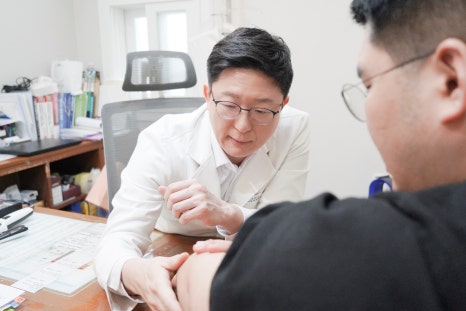
Therefore, it is important to establish a treatment plan after undergoing a thorough examination.


So far, we have looked at the disease vitiligo from various angles.
Because its symptoms are visible on the outside, vitiligo is a skin condition that can cause significant psychological stress.
However, just because skin color disappears does not mean the light in your life disappears as well.
As mentioned at the beginning, with systematic treatment and management, meaningful improvement in symptoms can be expected.
So please do not delay treatment any longer, and visit a nearby clinic to receive a detailed consultation.
I hope this column from Saetgang Station Dermatology was of some help to vitiligo patients.
If you have any questions beyond what was covered above, please ask through the comment box below.
We will kindly answer at Saetgang Station Dermatology. Thank you.
| This post was written for informational purposes in compliance with Article 56, Paragraphs 1 to 15 of the Medical Service Act. All treatments carry a risk of side effects and complications depending on the individual. Before treatment, be sure to have a sufficient consultation with a medical professional with extensive experience before making your decision. |