Vitiligo is a chronic skin condition in which white, depigmented patches appear, almost as if white paint had been spilled over a drawing.
And because this condition does not come with any particular pain or itching, it can be easy to dismiss it lightly.
However, if it is simply left alone, a small white spot can at some point spread across the skin like a map.
A patch that was once only the size of a fingernail can grow larger over time, and eventually the affected area can become broader and broader.
In fact, as the symptoms spread even to areas that are more exposed, a person may experience severe appearance-related insecurity, which can in turn lead to lower self-esteem, a lack of confidence, and psychological stress.
However, when many people hear the word “vitiligo,” they think, “Isn’t it difficult to treat?”
But medicine continues to advance and develop steadily, and as a result, various treatment methods that can be applied to vitiligo have also been developed.
That is why you should never give up on treatment, and it may be best to visit a clinic as soon as possible and plan appropriate care.
In today’s post from the Seoul Vitiligo Clinic, we will take a detailed look at the causes of vitiligo and treatment methods.
- Causes of vitiligo and prevention methods
- Treatment methods for active vitiligo
- Treatment methods for inactive vitiligo
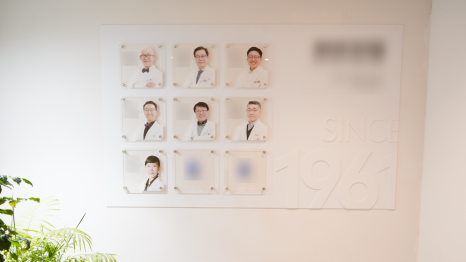

Information on the causes of vitiligo and ways to prevent worsening
Vitiligo is, quite literally, a disease in which the skin turns white.
And this can be described as a depigmentation reaction that occurs when something is lost—namely, when melanocytes are lost.
First, melanocytes are responsible for forming skin color, and they also help protect our skin from ultraviolet rays.
However, when there is a problem with the immune system, the overactive immune system mistakes healthy melanocytes for enemies and attacks them, which can cause the skin to lose color and turn white in various areas.
Therefore, to maintain a normal immune system, it may be advisable to get enough sleep, eat a balanced diet, and exercise regularly.
In addition, external irritation can also have small and large effects on the skin, so it is advisable to be careful at all times to avoid unnecessary stimulation of the skin.
Also, strong ultraviolet rays are cited as one of the representative causes of vitiligo, so please make sure to pay attention to sun protection every day of the year.


How can you stop the progression of vitiligo symptoms?
Vitiligo treatment may be carried out differently depending on whether the symptoms are in the active stage or the inactive stage.
First, the active stage can be understood as the stage in which vitiligo is spreading, and at this time the goal should be to stop the progression of the symptoms.
At this stage, ointments containing immunosuppressive ingredients, steroids, or immunosuppressants may be used, and through these treatments, excessive immune responses and inflammatory reactions can be controlled, helping to stop the progression of vitiligo symptoms.
In the case of steroid ointments, they are divided into many different strengths depending on the potency of the medication, so they may be customized according to symptoms and skin type.
Also, since treatment is carried out by applying medication, it has the advantage of being relatively simple and able to be combined with daily life.
However, if you judge on your own and misuse strong ointments, the risk of being exposed to various side effects may increase, so please be sure to receive treatment after consulting with medical staff.

How can you restore pigmentation in vitiligo?
After the active stage, when lesions have already spread, the stage in which no new white patches appear and the existing lesions remain in place is called the inactive stage.
The inactive stage is, literally, the period when vitiligo has calmed down, and it can be described as a state in which immune cells no longer attack melanocytes and no new damage occurs to the skin.
At this time, rather than focusing on preventing the symptoms from spreading further, the goal should be to restore pigment to the already depigmented areas.
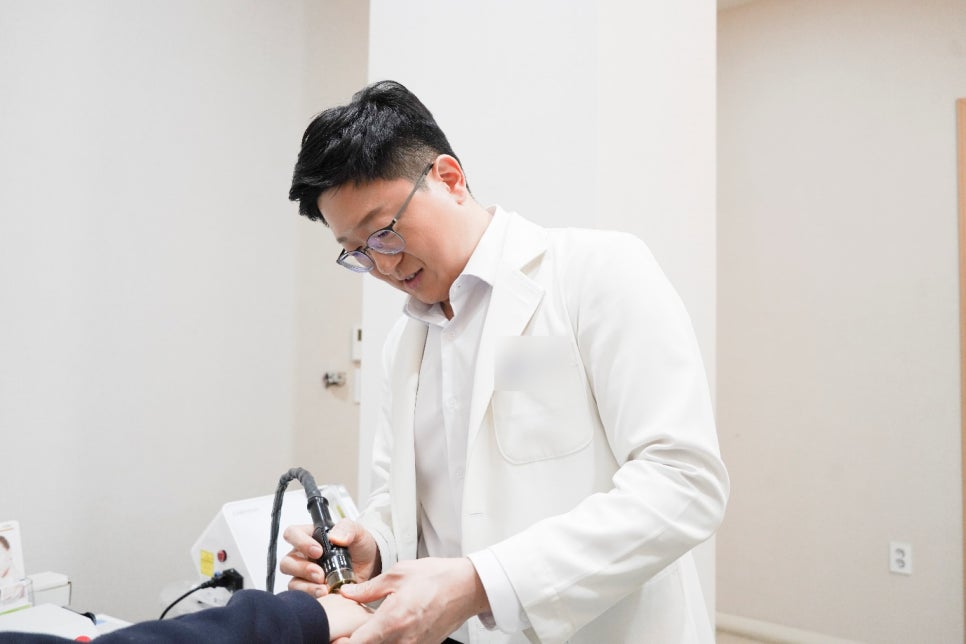
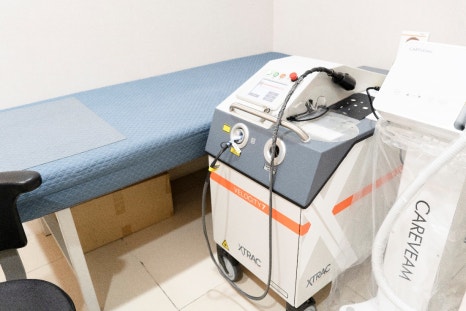
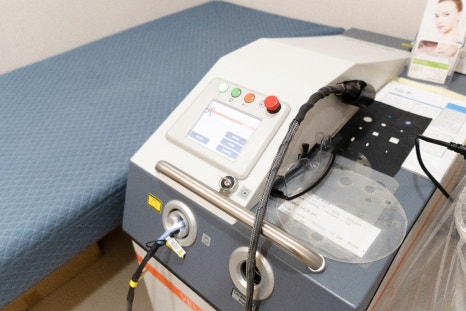
Excimer laser treatment is a method that can be applied to inactive vitiligo, and it has the characteristic of using 308 nm ultraviolet light to stimulate melanocytes so they can grow again.
Through this, the depigmented areas may gradually regain pigment.
In addition, because the laser is directed only at the affected area, it also has the advantage of causing less impact on the surrounding healthy skin tissue.
However, symptoms may not improve with just one treatment, so it is most important to establish a long-term treatment plan.
Because vitiligo does not cause much pain, it is easy to let your guard down.
However, if it is left untreated, the depigmented area can gradually expand, and it may also be accompanied by psychological withdrawal and distance in social relationships.
What matters is having an attentive and calm response from the early stages.
Although vitiligo is a visible change, behind it lie complex issues such as bodily balance, immune function, stress, and the environment.
So please remain aware of this condition and continue to check your skin regularly.
I hope the Seoul Vitiligo Clinic’s column was helpful for patients with vitiligo, and I will end the post here.
If you have any questions other than those covered above, please ask in the comments below.
We at Seoul Vitiligo Clinic will kindly answer. Thank you.
| This post was written for informational purposes in compliance with Article 56, Paragraphs 1 to 15 of the Medical Service Act. All treatments carry the risk of side effects and complications depending on the individual. Before treatment, please be sure to make a full consultation with a medical professional with extensive experience before making your decision. |