Smooth, clear skin is something everyone envies.
That is why we put so much effort into skincare, apply sunscreen every day, and try to maintain good habits such as eating well and sleeping well.
However, no matter how hard we try, our skin can still react sensitively to environmental changes and internal imbalances.
In particular, when melanocytes in the skin develop problems due to external or internal factors, the skin’s balance can be thrown off significantly.
This is where today’s topic, vitiligo, comes in.
Vitiligo is a chronic skin condition that occurs when melanocytes, the cells that form skin color, disappear or fail to function properly.
When this condition develops, part of the skin turns white, making it appear as if the skin has lost its color.
And this symptom is noticeable on its own and can lead to serious concerns about appearance.
In this article by a dermatologist at Munrae Station, I will clearly explain what causes melanin problems and how they should be treated.
- Vitiligo: What causes melanin loss?
- What happens if vitiligo is left untreated?
- What are the advantages of excimer laser treatment for vitiligo? Vitiligo treatment method


Melanin loss happens because of this.
Vitiligo is not just a cosmetic change, but rather the result of a complex problem occurring deep within the skin.
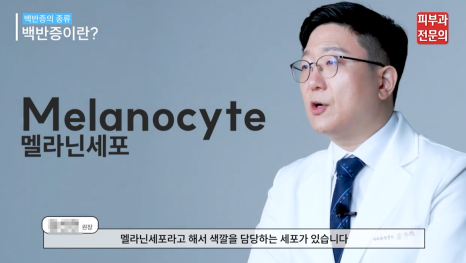
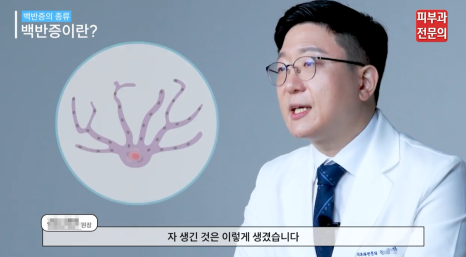
Our skin color is determined by cells called melanin.
However, when these melanocytes develop problems, certain areas of the skin can become white and depigmented.
The reason melanocytes develop problems has not yet been clearly identified by the scientific community.
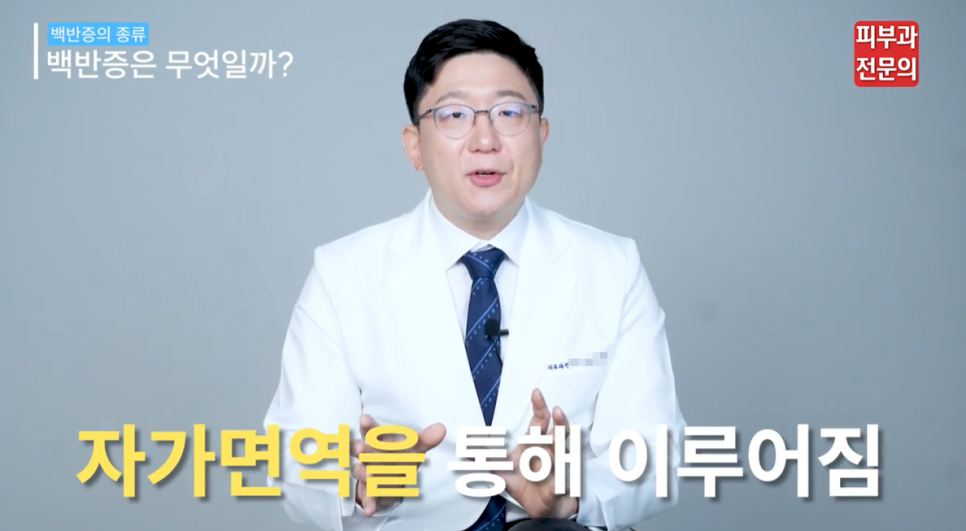
However, the most likely cause is an immune system malfunction.
In simple terms, immune cells mistakenly identify our body’s melanocytes as ‘external invaders’ and attack them.
Another cause of melanocyte loss is ultraviolet light. Prolonged exposure to strong UV rays can damage melanocytes, and when damaged cells fail to recover properly and disappear, vitiligo can develop.
In addition, melanin loss can also occur due to minor or major trauma, exposure to chemicals, and skin friction, so you must be careful in daily life as well.
What happens if vitiligo is left untreated?
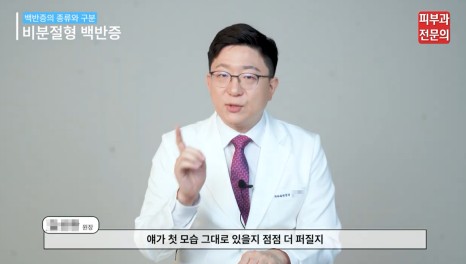
Vitiligo is divided into segmental and non-segmental types.
At first glance, they may look similar, but their progression and prognosis are clearly different.
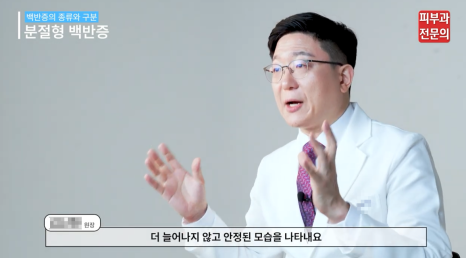
First, segmental vitiligo can cause white patches to appear along one segment of the skin, and it is often characterized by the patches spreading rapidly for a certain period of time before the symptoms stop.
It is also usually limited to a specific area and may not expand much over time.
However, non-segmental vitiligo can be a little different.
Early non-segmental vitiligo begins as small, localized patches, but over time no one can say for sure where it will spread or how it will change.
It can progress quietly, but broadly and deeply, and in severe cases the white patches can spread throughout the body.
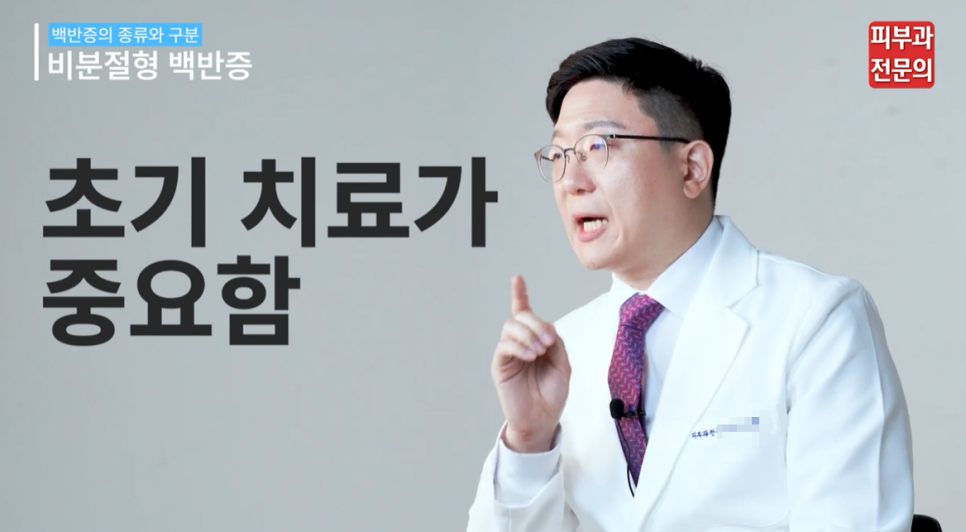
In particular, if it spreads to highly visible areas such as the fingertips or face, it can cause severe psychological stress, so it is best to plan treatment as early as possible.
Vitiligo treatment method: This is how vitiligo can be treated.
Melanocytes, which determine skin color, are far more delicate and demanding than we might think.
And when these melanocytes disappear or lose their function, it can be difficult for the skin to recover naturally.
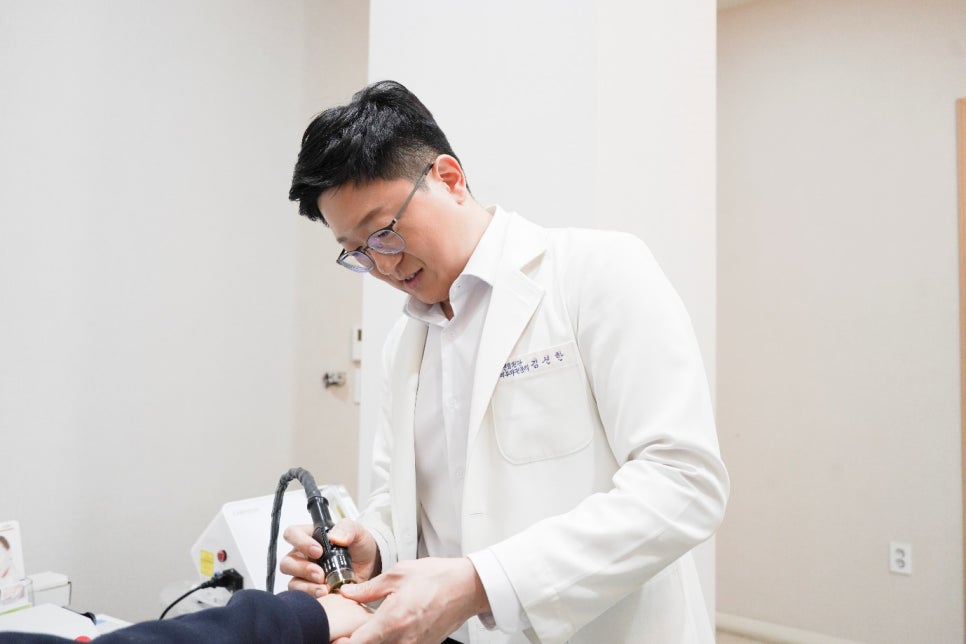
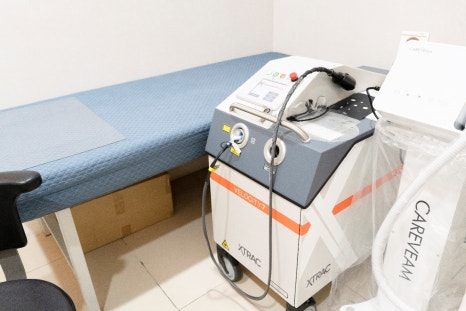
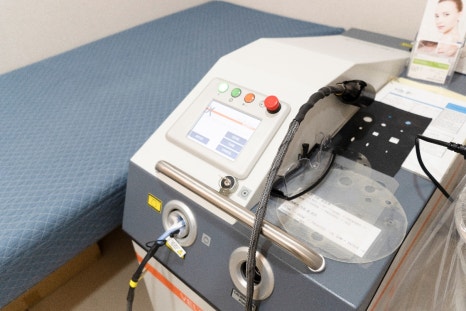
Excimer laser treatment is a widely used treatment method for various skin conditions, including vitiligo.
This treatment uses special ultraviolet light at a wavelength of 308 nm to deliver energy into the skin and regulate an excessive immune response.
At the same time, it helps create a skin environment where melanocytes can regenerate, allowing noticeable white patches to gradually fade.
In addition, the excimer laser allows the irradiation area to be finely adjusted according to the size of the lesion, and because it targets only the problematic melanocytes, it has the advantage of causing less impact on the surrounding healthy skin tissue.
However, treatment alone is not enough.
Skin affected by vitiligo may be sensitive to ultraviolet light and immune responses, so you must continue with consistent care along with treatment, and pay even more attention to sun protection than other people.
In addition, combining treatment with medication when necessary can also be helpful, so please visit a clinic and receive detailed guidance.
Vitiligo means more than just a spot on the skin.
For some, that single white mark can become a reason to hesitate going বাইরে, and for others, it can become a reason to avoid people’s gaze.
This is why early treatment for vitiligo is needed.
However, just as not everyone has the same skin concerns, vitiligo also requires personalized treatment based on the symptoms.
So after carefully checking your skin condition together with medical staff, it is important to plan treatment accordingly.
I hope this column by a dermatologist at Munrae Station has been helpful for those who are stressed by vitiligo symptoms, and I will end here.
Thank you for reading the article by the dermatologist at Munrae Station to the end.
| This post was written for informational purposes in compliance with Article 56, Paragraphs 1–15 of the Medical Service Act. All treatments carry the risk of side effects and complications depending on the individual. Before treatment, please make sure to have 충분한 상담 with medical staff with extensive experience and decide only after that. |