Acne is not just a simple skin trouble.
It is a chronic skin disease that occurs when inflammation develops in the sebaceous glands and hair follicles.
Acne, which mainly appears on the face, chest, and back where sebaceous glands are well developed, inevitably shows up from the time we grow up.
Especially during puberty, sebum production increases sharply, and red, inflamed acne may appear all over the face.
Of course, if proper care is provided at this time, the symptoms of acne may gradually improve over time. However, if managed in the wrong way, the symptoms can continue into adulthood.
In some cases, it can even lead to more serious outcomes such as secondary inflammation, pigmentation, and scarring.
Acne is not a temporary rebellion of the skin, but a skin condition that requires a long-term approach.
So rather than taking it lightly, it may be best to actively pursue treatment and care.
-Column outline for Yeongdeungpo Acne Injection Dermatology-
- Information on the causes of acne
- Information on acne prevention and care
- Information on acne inflammation injections
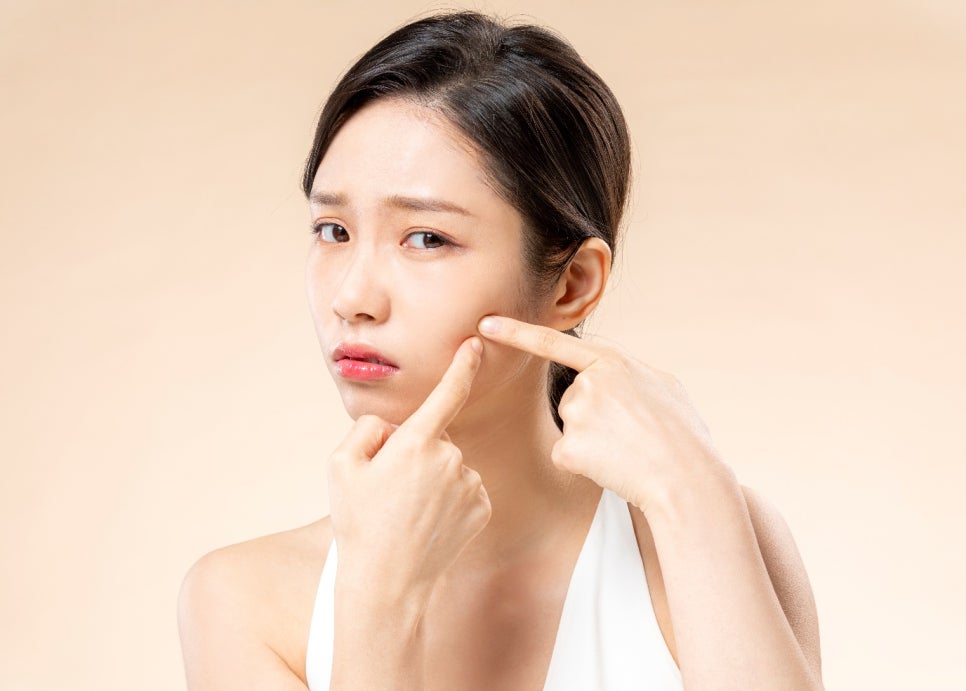
How can acne be managed properly?
If you want to manage acne properly, you need to know why it occurs.
The first cause of acne is an increase in sebum secretion.
Our skin secretes oil through the sebaceous glands, and this originally helps protect the skin and keep it supple.
However, if these sebaceous glands become too active, excess sebum is produced and can build up inside the pores.
If dead skin cells also do not shed properly and remain in the pores, they can clump together with sebum and cause visible acne.
And if acne-causing bacteria multiply here, the lesion can become red and swollen, and severe pain, itching, and other symptoms may accompany it.
Moreover, this phenomenon tends to worsen easily due to stress.
When you are stressed, the stress hormone cortisol increases, and this can also stimulate sebum secretion and inflammatory reactions.
What are some ways to manage acne?
Acne is a skin condition that occurs when there is a problem with the environment inside the skin.
Therefore, it may be best to maintain skin health through continuous and systematic care.
First, the most basic step is cleansing.
This ordinary habit of washing twice a day, in the morning and evening, can be the starting point for acne care.
At this time, it may be best to dispense an appropriate amount of cleanser into your palm, create enough foam, and gently rub it onto the skin.
Also, when the skin lacks moisture, it produces even more sebum to protect itself.
As a result, the sebum surge can cause acne to appear more frequently and over a wider area.
That is why it is good to apply enough moisturizer after cleansing to protect the skin, and choosing products that are low in oil and do not clog pores can be helpful.
Finally, let’s talk about lifestyle habits.
Diet, in particular, is closely related to acne, so it may be best to avoid consuming sugar, dairy products, and high-fat foods.
How can acne treatment be received?
Squeezing acne recklessly is similar to poking a water balloon with a needle.
It may seem as if it bursts refreshingly on the surface, but the aftermath of infection, inflammation, and scarring can come rushing in afterward.
In particular, inflammatory acne is likely to burst from the inside the moment it is forcibly touched, and as a result, it can cause boils, pigmentation, or depressed scars.
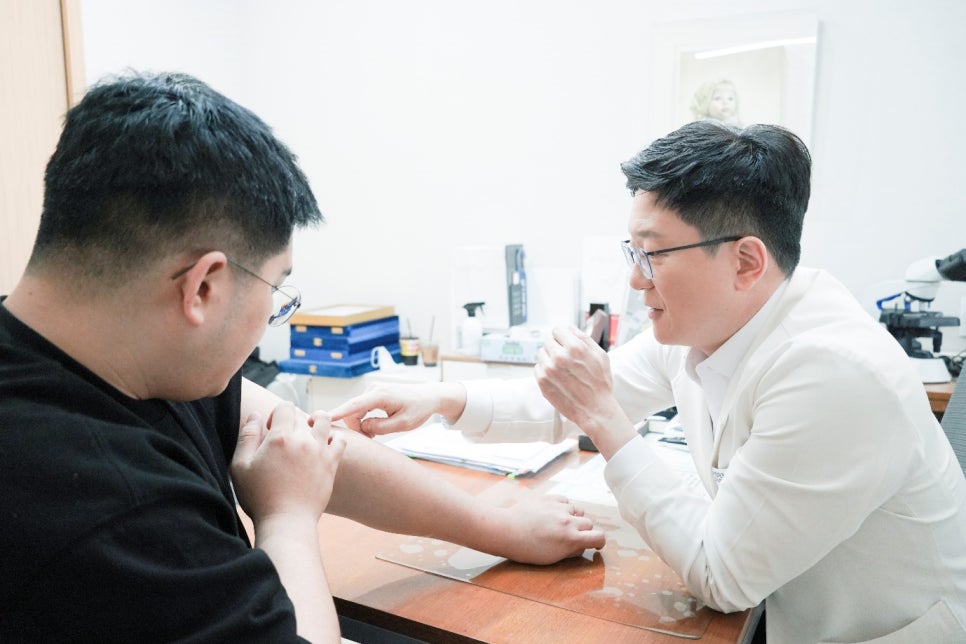
That is why, rather than trying to treat acne on your own, it is better to visit a clinic and plan treatment that matches your condition.
An inflammation injection is performed by directly injecting a very small amount of a steroid-based medication into the area where the inflammation is concentrated.
In this way, the inflammatory response that causes acne subsides, and you can expect the effect of quickly improving red, inflamed acne.
However, this procedure should absolutely not be repeated indiscriminately.
That is because frequent use of the steroid contained in the inflammation injection may cause side effects such as skin atrophy or pigmentation.
Therefore, the key is to use it appropriately at the necessary time, in the minimum dose, under the judgment of medical staff.
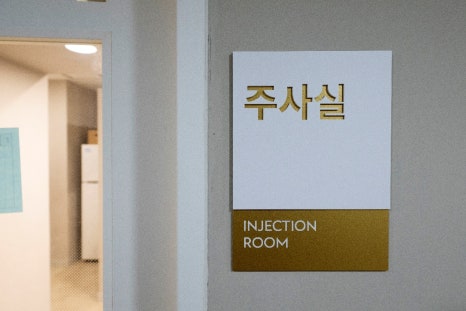
Acne can be seen as a kind of signal from the skin saying, “Help me.”
Listening to that signal rather than ignoring it is the beginning of skin treatment.
Inflammation injections are a treatment method that may help correct the underlying cause of acne.
However, if the lesion area is wide, inflammation injections alone may not be enough, so it may be best to go through diagnosis and consultation with medical staff.
Also, even after receiving treatment, if you neglect skin care, acne may recur before you know it, so please pay more attention to skin care as well.
I hope this Yeongdeungpo Acne Injection Dermatology column has been helpful to patients who are stressed by acne symptoms, and I will end here.
Thank you for reading this Yeongdeungpo Acne Injection Dermatology post to the end.
| This post was written for informational purposes in compliance with Article 56, Paragraphs 1 to 15 of the Medical Service Act. All treatments carry the risk of side effects and complications depending on the individual. Before treatment, be sure to have a thorough consultation with experienced medical staff before making a decision. |