People often think of acne as just a symbol of adolescence.
But in reality, acne is not a concern limited to teenagers.
It continues to appear throughout the 20s, 30s, and even 40s.
Unfortunately, many people think of acne as just a simple skin symptom and do not actively plan treatment.
But acne can be described as a structural emergency signal sent by the skin.
In fact, it is a skin condition that occurs when dead skin cells, sebum, bacteria, and other substances become tangled together in the small channel called a pore, and if left untreated, the symptoms can worsen.
It can even spread redness to the surrounding skin, and more severe pus and inflammation may be observed.
Also, if it is managed incorrectly, it can lead to pitted, sunken scars and pigmentation.
Today, we would like to share information that may be helpful for those planning acne treatment at Yeongdeungpo Market Dermatology Clinic, so please read the article from Yeongdeungpo Market Dermatology Clinic carefully.
-
The correlation between acne and cleanliness
-
How to prevent acne
-
Ingredients used in acne treatment for getting rid of pus-filled acne

Isn’t acne caused by not washing well?
When people hear “acne,” many think of it as just a symptom caused by dirty skin.
But in reality, acne cannot be explained by cleanliness alone.
In fact, washing the skin too vigorously can damage the skin barrier, and this can sometimes make acne worse.
Acne is a skin condition caused by a combination of many different factors.
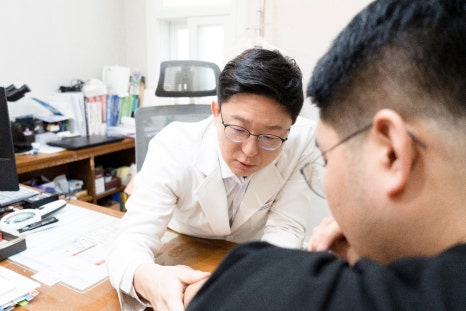
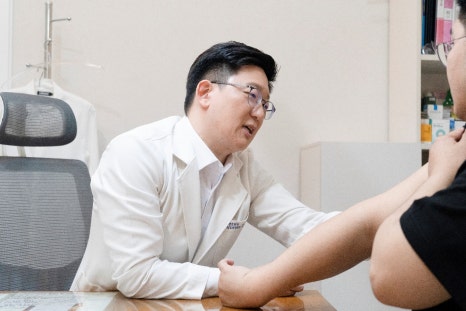
First, our skin normally secretes an appropriate amount of sebum, which forms a kind of protective barrier.
But if sebum is overproduced due to stress, hormones, genetic factors, and so on, noticeable acne can appear all over the skin.
It also often appears when people frequently consume certain foods, such as instant foods.
How can acne onset and worsening be prevented?
Acne is a skin condition for which prevention is far more important than aftercare.
That is why it may be advisable to pay attention to skin and lifestyle management in everyday life.
First, one of the most important things is your cleansing routine.
As mentioned earlier, many people think they must wash vigorously when acne appears, and they cleanse their face three to four times a day.
However, frequent cleansing can instead damage the skin barrier and may lead to even more sebum production.
Therefore, it may be best to cleanse twice a day, gently, using lukewarm water and a low-irritation cleanser.
And moisturizing is not optional; it is essential.
You may think, “Why moisturize when sebum production is high?” but for acne-prone skin, applying plenty of hydrating moisturizer can help stabilize pores and regulate sebum.
Also, when acne appears on the skin, you may feel the urge to touch or squeeze it.
However, the moment your hands touch acne, infection and inflammation can worsen, and the lesion area may become even redder and more swollen.
The last thing I will explain is stress management.
When you are under stress, your body secretes the stress hormone cortisol, which can stimulate sebaceous glands and lead to more acne.
So developing healthy hobbies in daily life and getting enough sleep to manage excessive stress can be helpful.


Information on how to get rid of pus-filled acne, acne treatment methods, and expected effects
Acne treatment begins with the right care routine.
This is where acne cleansers come in.
Acne cleansers can help wash away oil, waste, and dust that have entered the pores, and they are characterized by helping keep the skin environment clean.
However, if symptoms do not improve with this method, antibiotic treatment may be used.
As many people know, antibiotics can help suppress the inflammatory reaction that is the root cause of acne, and through this, you can expect improvement in red, pus-filled acne.
If necessary, treatment with a vitamin A derivative may also be combined.
Vitamin A derivatives function by regulating sebum secretion, promoting shedding of dead skin cells, and suppressing acne-causing bacteria, and they are characterized by their potential to correct various factors that cause acne.
However, not everyone can undergo both treatments at the same time, so please plan treatment after consulting with medical staff.
A small trouble like acne can ruin your day and make you avoid looking at yourself in the mirror.
But skin can change as much as we pay attention to it.
In particular, if you give it just a little more care, it can respond in a much healthier way.
Here, more than anything, what matters is “consistency.”
Acne often improves temporarily and then quickly returns.
Therefore, rather than getting discouraged by short-term ups and downs, it is necessary to keep the bigger picture in mind.
I hope that everyone reading this article from Yeongdeungpo Market Dermatology Clinic will establish a long-term treatment and care plan for healthy skin.
Thank you for reading this article about how to get rid of pus-filled acne all the way to the end.
| This post was written for informational purposes in compliance with Article 56, Paragraph 1 through Paragraph 15 of the Medical Service Act. All treatments carry a risk of side effects and complications depending on the individual. Before treatment, please make sure to have a thorough consultation with medical staff who have ample experience before making your decision. |