When you hear the term atopic dermatitis, it may make your skin feel light and stingy.
Atopy refers to a chronic skin condition in which the skin barrier’s function is weakened, causing an overreaction to external stimuli and repeated inflammation as a result.
Simply put, it is a condition that occurs when the skin’s ability to protect itself is weakened and is directly affected by the external environment.
Because of this, severe itching can occur, and the more you scratch, the itchier it becomes, often leading to oozing, bleeding, and wounds.
In addition, because these symptoms worsen every night, psychological symptoms such as lack of sleep, anxiety, and stress may also accompany them.
On top of that, the entire skin can become extremely dry, causing small and large disruptions in daily life.
Today, in this Yeongdeungpo Market Station dermatology recommendation post, we would like to explain in an easy-to-understand way what causes atopy and how to manage it.
We hope this Yeongdeungpo Market Station dermatology recommendation article will be helpful to those who want to regain healthy skin.
-Column order for Yeongdeungpo Market Station dermatology recommendation-
-
Causes of atopy
-
How to prevent the onset and worsening of atopy
-
Atopy light therapy
Understanding the causes of atopy
Atopy is a skin condition that develops through the interplay of various causes.
The following are factors known to have a critical impact on the development of atopy.
① Genetics
The first major culprit behind atopy may be family history.
In particular, if even one parent has had atopic dermatitis, the probability that their children will also experience atopy can be as high as 50%.
In addition, if both parents have experienced atopy, that probability is known to rise to as high as 79%.
② Weakened skin barrier
Our skin has a strong "skin barrier" that prevents harmful substances from entering from the outside.
However, in patients with atopy, this barrier is fragile, so external irritants can penetrate easily and moisture can evaporate quickly.
③ Poor lifestyle habits
Showering too often, bathing in water that is too hot, and scrubbing the skin too hard are representative causes of skin irritation.
And this can soon lead to weakened skin barrier function, and in severe cases, it can become a cause of atopy.

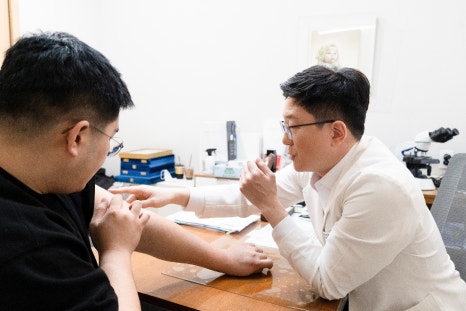
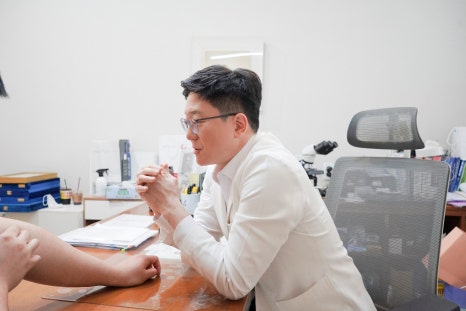
How should atopy be managed?
Atopy, once it occurs, has the characteristic of gradually worsening over time, so you should begin management appropriate to your condition as early as possible.
For atopic skin, the first priority is moisturizing.
Applying moisturizer is not simply about giving the skin moisture; it is like putting a bulletproof vest on tired skin.
That is why, if you have atopy, it may be desirable to apply moisturizer carefully at least 2 to 3 times a day.
Also, since the indoor environment can worsen atopy, it is advisable to maintain proper indoor humidity using a humidifier or wet towels, and it is desirable to regularly wash mattress and sofa covers.
Lastly, foods that do not agree with your body can be factors that worsen atopy symptoms.
In particular, for infants and children, certain foods such as milk, eggs, and wheat flour can worsen atopy.
Therefore, it may be advisable to have allergy testing in advance to identify in detail which foods may worsen atopy.
In addition, alcohol, instant foods, and spicy foods are also harmful for adult atopy, so please continue to maintain healthy eating habits.
The principles of atopy light therapy
Because atopy is a chronic condition in which chronic inflammation, weakened skin barrier function, allergies, and environmental factors are all intertwined, it may be difficult to expect sufficient symptom improvement through self-care alone.
Therefore, if you want to correct the underlying cause of the symptoms, you may need to visit a hospital and plan treatment.
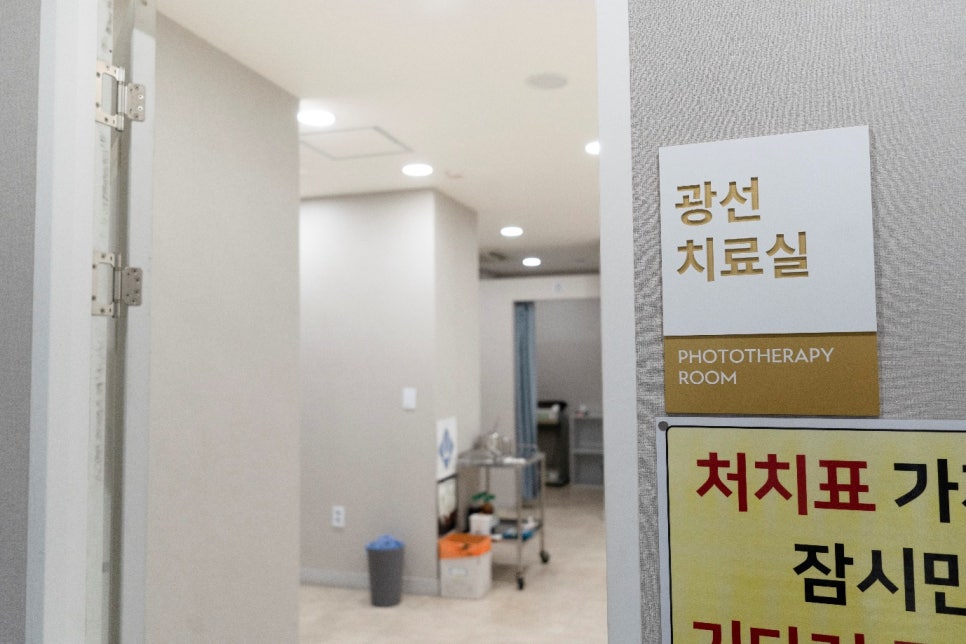
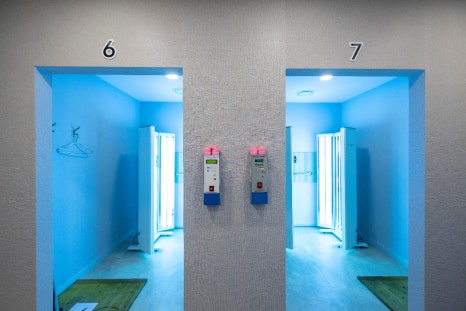
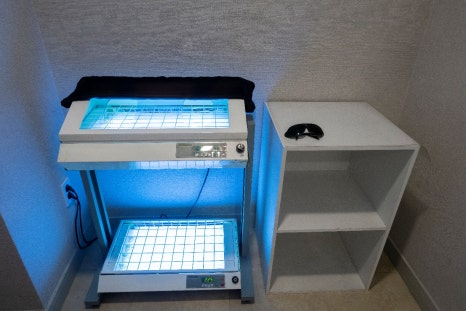
Light therapy is a treatment method applied to various skin conditions, including atopy.
It works by exposing the skin to ultraviolet light of a specific wavelength to calm inflammation and regulate the immune response, and through this, it has the characteristic of offering the expected improvement of atopic symptoms.
In addition, it can be a good alternative for those who have felt burdened by using steroid ointment for a long period of time.
Furthermore, because light therapy is a non-invasive treatment, even those who are sensitive to pain can undergo it relatively comfortably.
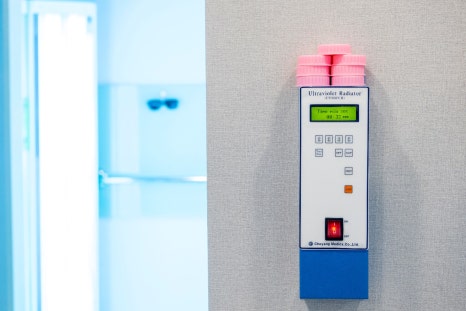
However, since light therapy is a treatment that uses specific light, if the intensity of the light exposure is not properly controlled, significant damage can be done to the skin.
Therefore, after carefully diagnosing the patient’s skin condition and the severity of the lesions, it is important to establish a personalized 1:1 treatment plan.
Atopy starts with itching on the skin, but behind it lie issues such as sleep, stress, and confidence.
Atopy may seem minor, but it is by no means a trivial skin condition.
And it is also a condition that should not be given up on, but understood and managed.
The most important thing here is to establish a treatment and management plan that suits your skin condition.
That is why you should never give up on treatment, and it may be desirable to start treatment actively.
We hope today’s column has been of some help to atopy patients.
If you have any questions other than the content above, please leave them in the comment box below.
We will kindly answer them. Thank you.
| This post was written for informational purposes in compliance with Article 56, Paragraphs 1 to 15 of the Medical Service Act. All treatments carry the risk of side effects and complications depending on the individual. Before treatment, be sure to have a thorough consultation with a medical professional with ample experience before making your decision. |