The word vitiligo may be unfamiliar to many people, but it is also a name that can feel frightening.
Vitiligo is a skin condition that leaves white patches on various parts of the skin.
It also has the characteristic of appearing in areas that are easily visible.
When people are diagnosed with vitiligo, many of them ask this:
Isn't this a condition that is difficult to treat?
Of course, it is true that vitiligo is widely known as a chronic skin condition that is difficult to treat.
And for that reason, many people end up giving up on treatment itself.
However, vitiligo is a condition for which meaningful symptom improvement can be expected through consistent treatment and management.
That is why, rather than putting up with the symptoms and leaving them untreated, it may be advisable to plan treatment as early as possible.
I hope this article from a dermatology specialist at Nodeul Station will be of some help to patients suffering from vitiligo symptoms.
-Column outline by the dermatology specialist at Nodeul Station-
-
Understanding the causes of vitiligo
-
Vitiligo immunosuppressive treatment methods
-
Precautions after vitiligo treatment
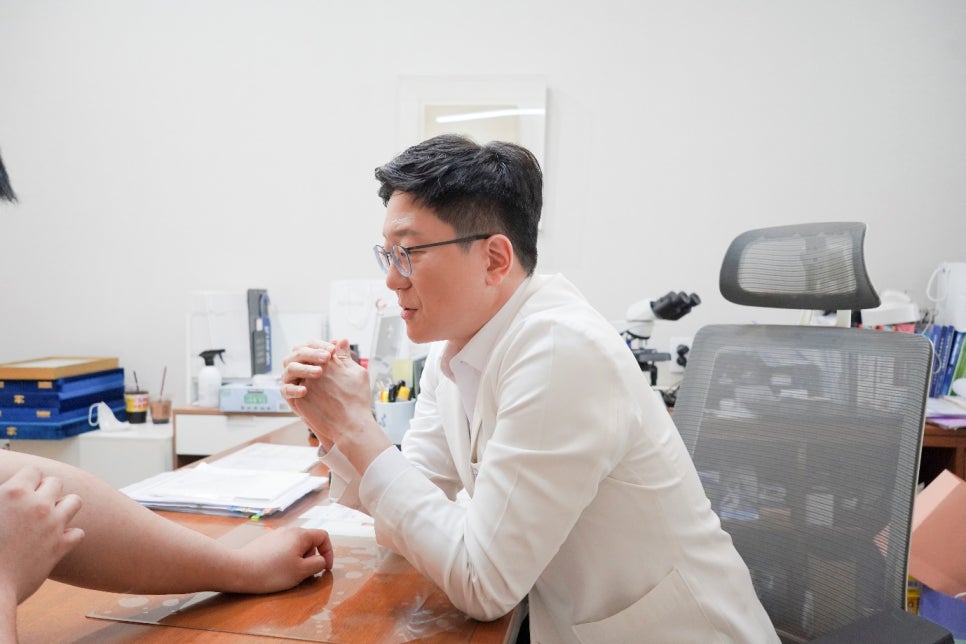
Why understanding the causes of vitiligo is necessary
Vitiligo is a skin condition that develops as a result of several factors intertwined in a complex way.
That is why, if you care for it on your own without understanding it, the symptoms may not improve and may instead lead to various unexpected secondary problems.
Therefore, to improve vitiligo, it is important to properly understand the cause of the condition.
First, vitiligo occurs when there is a problem with melanocytes, the cells that form skin color.
This problem is mainly caused by an excessive autoimmune response, in which the immune system, which should be targeting external invaders, attacks the melanocytes in your own body.
As a result, the color of the skin is lost in various areas, and depigmented patches with clear borders appear.
In addition, once melanocytes are lost, they are difficult to regenerate naturally, so treatment should be planned as early as possible.
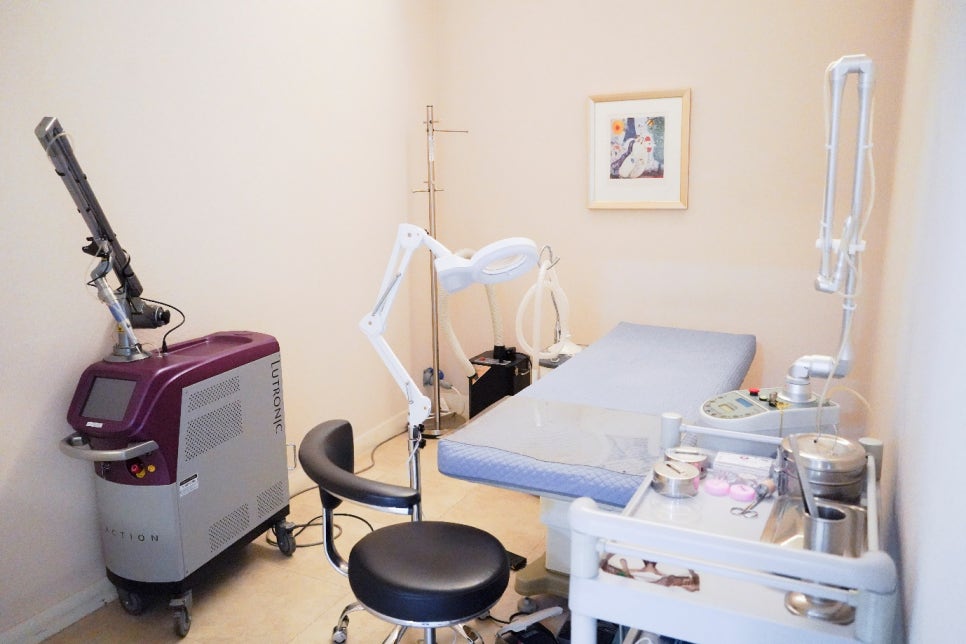


When is immunosuppressive ointment for vitiligo used?
Depending on the pattern of symptoms, vitiligo is classified into segmental vitiligo and non-segmental vitiligo.
Among these, non-segmental vitiligo can occur in any part of the body, and in severe cases, the symptoms can spread throughout the entire body.
In simple terms, the symptoms can gradually worsen over time.
At this point, treatment should be carried out with the goal of preventing the progression of vitiligo.
As the name suggests, immunosuppressive ointment is a treatment that can help control an excessive immune response.
More specifically, it works by suppressing the immune response that attacks melanocytes, helping prevent the spread of vitiligo symptoms.
Also, this medication does not contain steroid ingredients, so even those who are concerned about steroids may be able to proceed with treatment comfortably.
However, once the progression of vitiligo has stopped, you may need to undergo photochemotherapy using ultraviolet light of a specific wavelength or excimer laser treatment, so please visit the clinic and receive detailed guidance.



How should you manage your skin after vitiligo treatment?
Vitiligo is a skin condition that can quietly reappear at any time and in any place.
That is why you need to maintain consistent skin care to help prevent recurrence.
First, ultraviolet protection is the most basic part of vitiligo care.
Even if treatment is finished, exposing yourself freely to sunlight may disturb the balance of melanocytes that were quietly hidden, so it is a good idea to build the habit of applying sunscreen every morning.
Also, after treatment, the skin may appear more delicate and sensitive than expected.
Therefore, it is advisable to apply enough moisturizer to protect the skin, and to take care to ensure that the skin is not exposed to strong friction or chemical products.
In addition, as mentioned earlier, vitiligo develops due to an imbalance in the immune system.
In particular, when you are under stress, the body's immune system may suddenly lose its direction and attack melanocytes again, so please make sure to get enough rest so that excessive stress does not build up.



Vitiligo cannot be seen as only a problem of melanocytes.
This condition is deeply connected to emotions, perception, and social attitudes.
That is why it is necessary to listen 충분히 to the patient's story, empathize, and then create a treatment plan suited to each individual.
In addition, the number and timing of treatment sessions should be carefully adjusted according to the severity of the symptoms shown by the patient.
And patients themselves need to pay attention to post-treatment care in order to maintain healthy skin for a long time.
I hope this column by a dermatology specialist at Nodeul Station has been of some help to those planning vitiligo treatment.
If you have any questions other than those covered above, please ask in the comments below.
We will answer kindly. Thank you.
| This post was written for informational purposes in compliance with Article 56, Paragraphs 1–15 of the Medical Service Act. All treatments carry a risk of side effects and complications depending on the individual. Please be sure to have a thorough consultation with experienced medical staff before deciding on treatment. |