When a skin problem develops, it is easy to first think of external factors that came into direct contact with the skin.
However, there is one very important fact that we tend to overlook.
That is, the skin is a mirror that reflects the condition inside the body.
Of course, it is true that external factors can be the main cause of many skin diseases.
But skin diseases are characterized by a close connection to various problems occurring inside the body.
In particular, when there is a problem with the immune system, thick dead skin can build up in various areas of the skin, or certain areas of the skin may become white and discolored.
Psoriasis, which we will explain today, is a skin disease caused by the body’s immune system and is characterized by thick scales and red rashes.
Symptoms can even spread to the joints, causing unexpected secondary problems.
Therefore, if noticeable scales begin to appear on various parts of the skin, it is advisable to plan treatment before it gets any worse.
Today, at Yeongdeungpo-gu Office Station Dermatology, we would like to talk about the key information you need to know when planning psoriasis treatment.
-Column order for Yeongdeungpo-gu Office Station Dermatology-
-
The relationship between psoriasis and the immune system
-
Characteristic symptoms of psoriasis
-
Psoriasis excimer laser treatment
Psoriasis, a problem caused by a malfunction in the skin regeneration system
Normal skin is characterized by the generation of new cells and their shedding on a cycle of about 28 days.
However, when the immune system overreacts, the immune cells that protect our body can attack healthy skin cells.
As a result, the skin regeneration process speeds up rapidly, and thick scales can form on certain areas of the skin.
Because of this, people with underlying immune-related conditions may be relatively more susceptible to psoriasis.
In short, psoriasis is not just a simple skin problem; it may be a sign that the balance of the entire body has been disrupted, so treating only the surface is not enough.
When should you suspect psoriasis?
Scales, red rashes, and itching that appear on the skin are only the visible results on the surface, and the causes can differ. Different conditions may require different treatment methods.
Therefore, it may be helpful to remember the characteristic symptoms of each disease in daily life.
First, psoriasis can cause thick, silvery-white, scale-like buildup on the affected area, along with red rashes.
And if you peel off these scales, severe bleeding may occur.
Also, while skin conditions such as atopic dermatitis tend to cause dryness across the entire skin and severe itching, psoriasis can be characterized by dryness concentrated in the affected area.
In addition, severe itching may not be present.
Lastly, symptoms may tend to occur more often on protruding bony areas such as the elbows and knees rather than on the inner side of the joints, so please be sure to check this as well.
What does psoriasis treatment target?
As mentioned earlier, psoriasis is a skin disease caused by an imbalance in the body’s immune system.
Therefore, in order to improve it, the imbalanced immune response must be corrected.
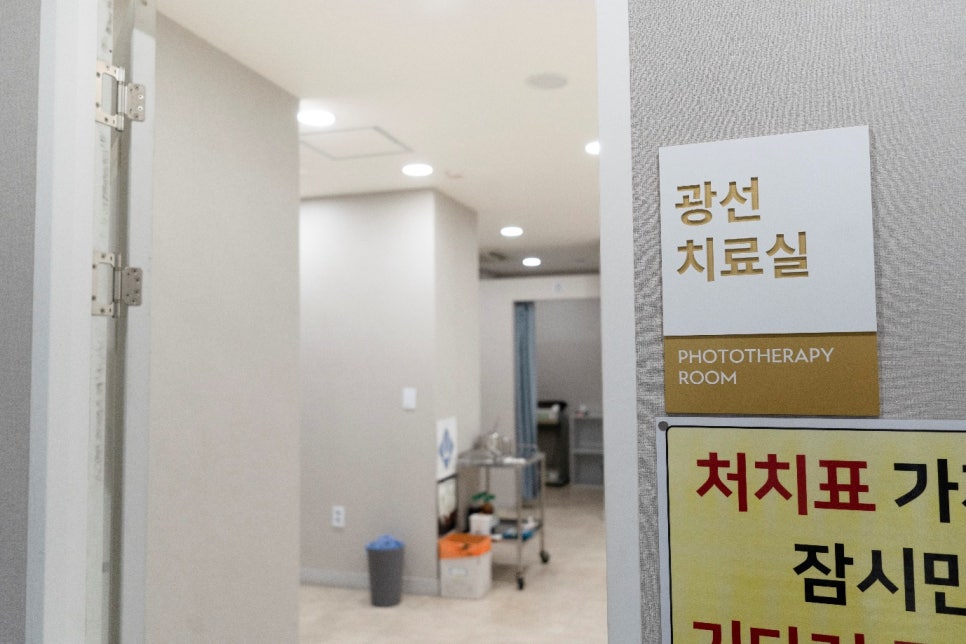
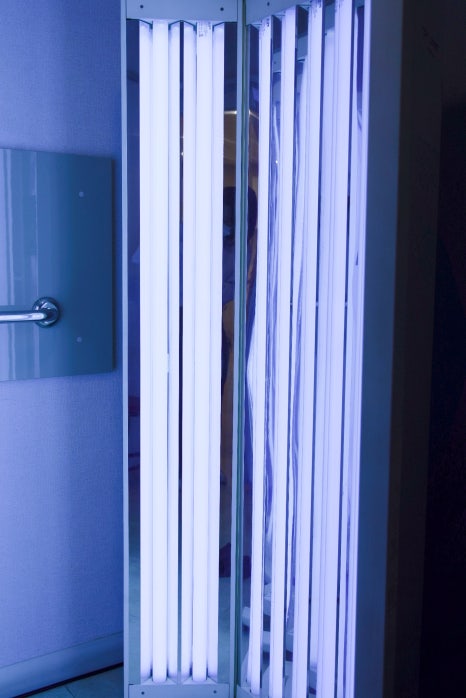
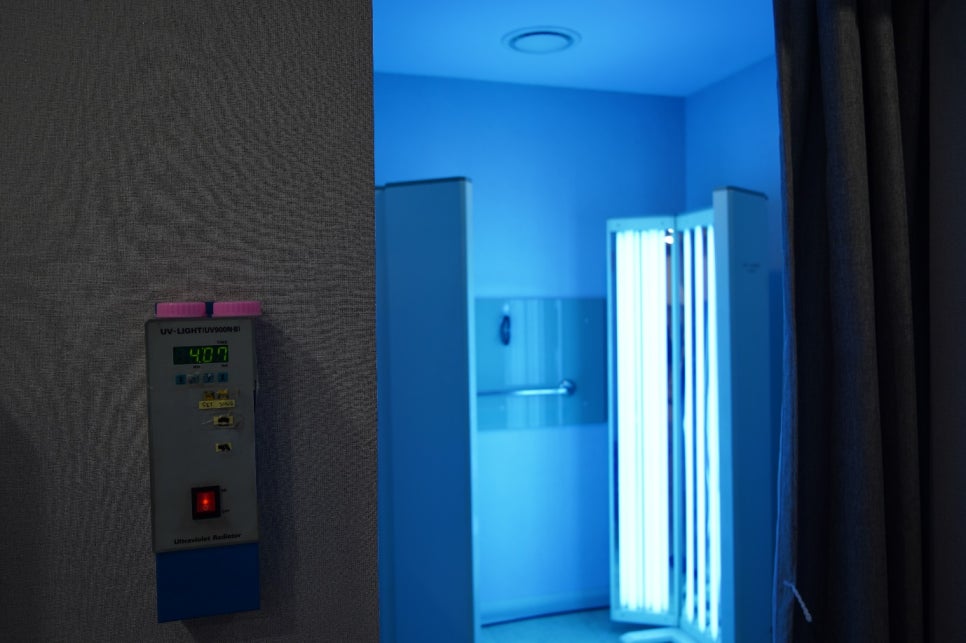
The excimer laser we will introduce today is a treatment method that uses specific light wavelengths and may help control inflammatory responses in the skin and an overactive immune response.
In addition, because the irradiation range can be finely adjusted, its impact on nearby normal skin tissue is minimal.
Furthermore, since it is a non-drug treatment, it may allow for a more comfortable treatment experience for people who are sensitive to steroids.
However, if excessive energy is applied, the skin may suffer greater or lesser damage, which can lead to side effects such as skin burns.
Therefore, it may be advisable to properly adjust the laser intensity and the number of sessions according to the affected area and the condition of the skin.
If there is something more important than psoriasis treatment, it may be consistent skin care.
Because psoriasis is a definite chronic skin condition, it may be advisable to maintain healthy skin by combining ongoing treatment and care.
In particular, the skin immediately after treatment may be very sensitive, so it is good to be careful not to subject it to unnecessary irritation.
Also, applying enough moisturizer to protect the skin from the external environment can be helpful.
Lastly, to prevent possible hyperpigmentation and skin inflammation, please be sure to pay attention to sun protection.
I hope this column from Yeongdeungpo-gu Office Station Dermatology has been of some help to psoriasis patients, and I will conclude here.
If you have any questions beyond the information above, please leave them in the comment section below.
I will answer kindly. Thank you.
| This post was written for informational purposes in compliance with Article 56, Paragraphs 1 to 15 of the Medical Service Act. All treatments carry a risk of side effects and complications depending on the individual. Before treatment, be sure to make a thorough decision after sufficient consultation with medical staff who have extensive experience. |