The skin has a very delicate rhythm that we usually do not consciously notice.
It is the keratinization cycle.
Simply put, this is the phenomenon in which new cells created inside the skin slowly move upward, mature, and eventually turn into keratin and shed naturally.
And if the keratinization cycle is normal, this process repeats every 28 to 30 days.
Also, when this cycle is maintained properly, smooth, moist, and healthy skin can be preserved.
However, if there is a problem with this keratinization system, the situation can change significantly.
In particular, if the keratinization cycle becomes abnormally short, immature cells that are not yet ready rise to the skin surface too quickly, and keratin that has not been properly shed accumulates layer by layer, causing the skin to gradually thicken.
Psoriasis is the result of this disrupted rhythm.
-Yeouinaru Station Dermatology Column Outline-
- Why the keratinization cycle changes
- What happens if psoriasis is left untreated
- Psoriasis ointment treatment methods
Why does psoriasis cause problems with the keratinization cycle?
As mentioned at the beginning, psoriasis is a skin disease caused by problems in the skin’s keratinization cycle.
And among the causes of this phenomenon, the central one is confusion in the immune system.
Normally, immune cells that should defend against external viruses or bacteria suddenly recognize normal skin cells as targets to attack.
As immune cells attack healthy skin cells, the keratinization cycle speeds up rapidly, and eventually visible keratin accumulates throughout the skin.
Also, when excessive stress builds up, hormones that trigger inflammation increase sharply, and as a result, the skin’s immune response may function abnormally, worsening psoriasis symptoms.
In addition, infectious diseases such as colds or sore throats can also be the cause, and it is not uncommon for psoriasis to spread throughout the body after a sudden sore throat during adolescence.
Why psoriasis should not be left untreated
When psoriasis symptoms appear, many people think of them as just a simple skin problem.
However, if psoriasis is left untreated for a long time, the signals the skin sends can become stronger.
At first, it may only be red patches and flaking, but over time the skin can become thicker, crack, and begin to bleed.
Moreover, if this vicious cycle repeats, the symptoms can spread before long like generalized dermatitis.
And if psoriasis is left untreated, it can cause serious problems not only for the skin but also for overall health.
In particular, psoriatic arthritis can develop, causing swelling and pain in the fingers and toes, and in severe cases, joint pain can progress to the knees, ankles, and spine, limiting movement.
In addition, it can also cause joint deformity.
Not only that, it can also have a serious effect on the cardiovascular system inside the body, so treatment should be planned as soon as possible.
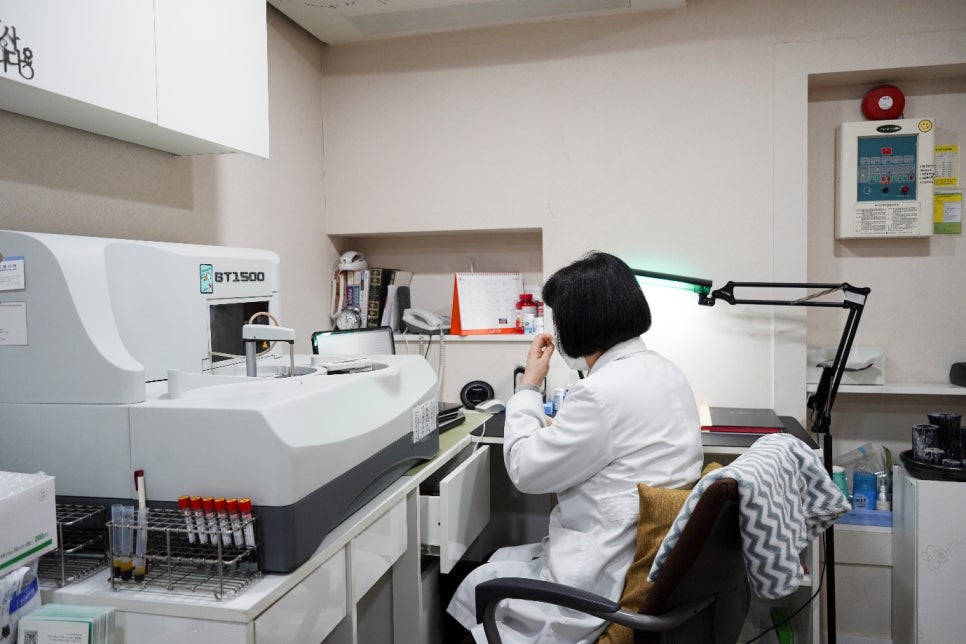


The role of steroids and vitamin D derivatives in psoriasis
Because psoriasis is a chronic inflammatory disease, ongoing management is necessary, and treatment should be tailored to each patient’s skin condition.
And one of the first things to consider is ointment treatment.
Psoriasis ointments contain ingredients such as steroids and vitamin D derivatives.
Among them, steroids have the characteristic of helping calm the fire of inflammation, and through this, one can expect the effect of gradually soothing skin that has become red and irritated.
Also, vitamin D derivatives regulate the proliferation of skin cells and induce the normal differentiation process, helping reduce excessive keratin buildup.
Although these are medications with many advantages, the expected effect can vary greatly depending on how they are used.
In particular, if high-dose steroid ointments are used for a long period, they can place a significant or minor burden on the body, so it is best to use the medication according to the guidance of the medical staff.
And when using vitamin D derivatives for the first time, you may temporarily feel as though more keratin is coming up as the keratinization cycle changes, so please allow some adjustment time.
Psoriasis is a skin disease caused by a complex interaction of immune system dysfunction, the environment and genetics, and lifestyle habits.
That is why it is also a disease that should never be judged by appearance alone.
Psoriasis treatment may be applied in different ways depending on the patient’s skin condition, the cause of the lesion, and the degree of severity.
Therefore, after a thorough skin examination, you should plan a treatment that matches your own condition.
In addition, you must follow the treatment intervals and frequency provided by the medical staff.
On top of that, the most important thing is to maintain healthy skin through consistent care even after treatment.
I hope the Yeouinaru Station Dermatology column has been helpful to patients with psoriasis.
Thank you for reading the Yeouinaru Station Dermatology post to the end.
| This post was written for informational purposes in compliance with Article 56, Paragraphs 1 to 15 of the Medical Service Act. All treatments carry a risk of side effects and complications depending on the individual. Before treatment, be sure to have a thorough consultation with experienced medical staff before making a decision. |