Acne is a skin condition that occurs when problems such as excessive sebum secretion, hormonal changes, lack of sleep, and gut health issues become intertwined.
It appears as noticeable bumps on the skin surface.
Also, many people try to squeeze acne themselves using cotton swabs or their hands when it becomes visible.
Of course, squeezing acne may make it seem as though the acne has disappeared as the comedone inside is expelled.
However, the problem begins after that moment passes.
In particular, if you squeeze acne in an unhygienic environment, external bacteria can enter the skin, which may worsen acne symptoms.
It can even cause visible acne scars.
Therefore, to improve acne, it is advisable to visit a clinic, receive guidance on proper care methods, and plan treatment according to your condition.
Today, I would like to share some information that may help with acne treatment at a clinic that prescribes acne antibiotics and retinoid ointments.
- Causes of acne and proper care methods
- Dermatology acne extraction method
- Ingredients used in acne ointment treatment
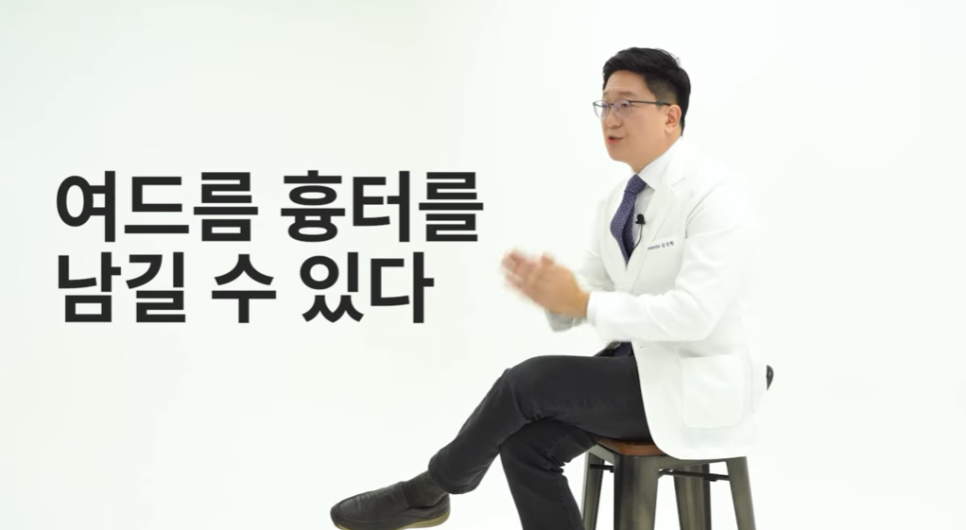
How to manage acne wisely
Acne is a skin condition formed by a combination of various factors.
First, the most fundamental cause of acne is excessive sebum secretion.
When a lot of sebum is secreted, pores can easily become clogged, and dead skin cells can accumulate on top of them, forming what are commonly known as whiteheads and blackheads.
Fortunately, in such cases, consistent cleansing and exfoliation may help improve symptoms to some extent.
However, when acne-causing bacteria multiply inside clogged pores, it can lead to inflammatory acne accompanied by dull pain.
Therefore, it is a good idea to remove waste buildup on the skin through thorough morning and evening cleansing, and periodic exfoliation can also be helpful.
(Please note that excessive exfoliation can instead damage the skin barrier, so be sure to be careful.)
Stress is another variable in the development of acne.
In fact, when stress accumulates, cortisol secretion in the body becomes more active, which can make acne symptoms more severe, so it may be advisable to get enough rest and manage psychological stress.
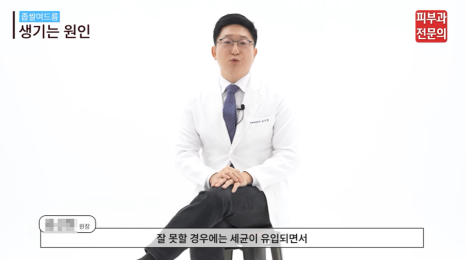
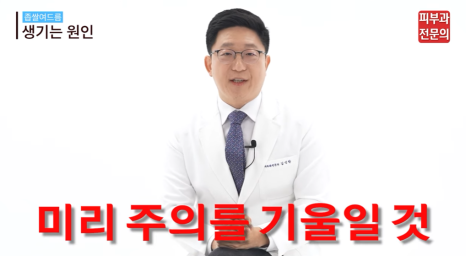
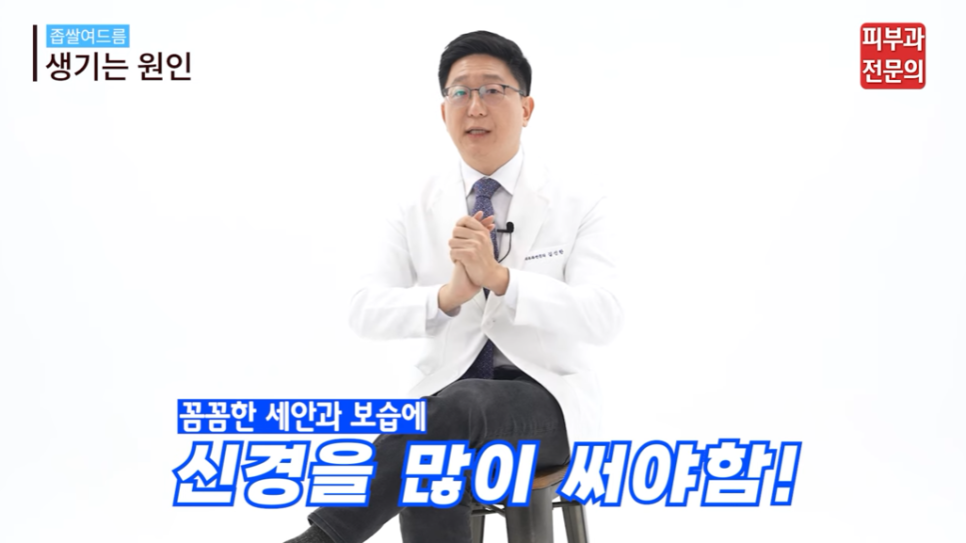
What is the dermatology acne extraction method?
As mentioned earlier, if you squeeze acne yourself, the symptoms may worsen.
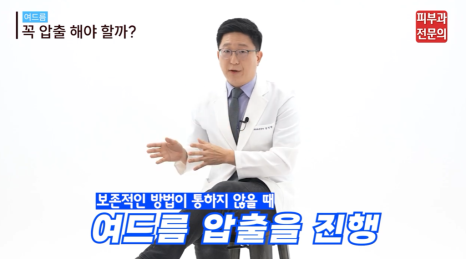
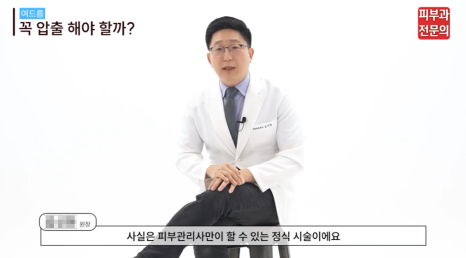
Therefore, if acne needs to be extracted, it may be advisable to visit a clinic and undergo extraction treatment.
In dermatology, before acne extraction, the skin condition is carefully analyzed and a treatment plan is established by considering the location of sebum, the depth of the acne, inflammatory reactions, and more.
Then, if extraction is deemed necessary, sterile instruments are used to gently remove the contents inside while minimizing stimulation to the pore walls.
This can help preserve the normal function of the sebaceous glands while allowing the lesion area to recover naturally.
However, not everyone necessarily needs extraction treatment.
For some people, medication or regenerative treatment may take priority over extraction, and for others, the skin may be too thin or sensitive, making extraction itself irritating.
Therefore, do not assume that extraction treatment is absolutely necessary; instead, please receive counseling and diagnosis while keeping various possibilities in mind.
What ingredients are used in acne ointment treatment?
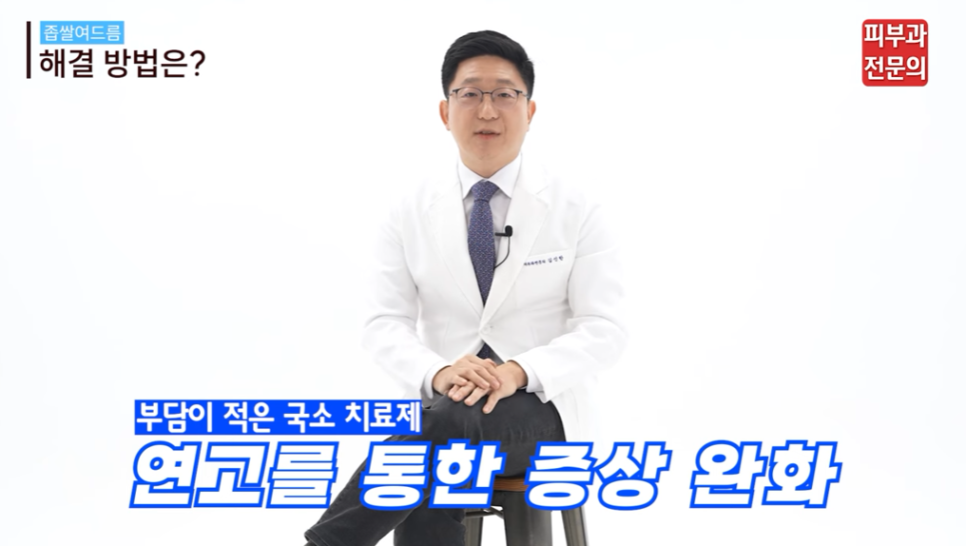
If acne extraction treatment is not possible, ointment treatment using certain medications may be performed.
The most commonly used one here is probably antibiotic ointment.
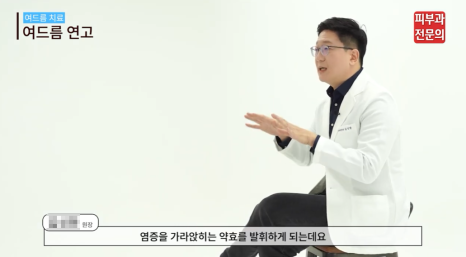
Antibiotic ointment suppresses acne-causing bacteria, the main culprit behind inflammation in acne, helping prevent bacterial spread and calm inflammatory reactions.
Through this, you can expect improvement in red, swollen acne.
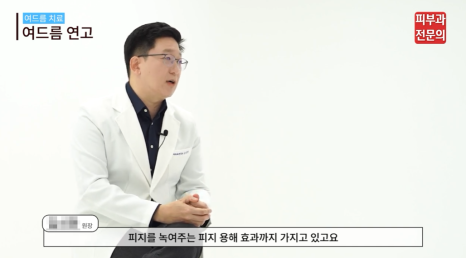
If necessary, retinoid ointment can also be used. This medication has the characteristic of reducing sebum secretion and promoting normal shedding of dead skin cells, which may help improve the overall health of the skin.
However, like any medication, retinoids and antibiotics also require awareness of several precautions.
In particular, long-term use of antibiotics can lead to resistance to the medication's ingredients, so continuous use for more than two months should be avoided.
Also, when using retinoids for the first time, problems that were not previously present on the skin may occur, so it is advisable to go through an adjustment period by applying a small amount once every 2 to 3 days.
Acne is a common skin condition, but it is by no means a simple problem.
It also appears with different symptoms depending on each person's skin type, hormone secretion, and genetic predisposition.
Therefore, acne treatment should be approached in a personalized way, and a sufficient skin examination process should be carried out beforehand.
In addition, after acne treatment, consistent care is necessary to maintain healthy skin.
I hope this column from the clinic that prescribes acne antibiotics and retinoid ointments will be helpful to patients suffering from acne symptoms.
If you have any questions beyond what was covered above, please ask in the comment box below.
I will reply kindly.
Thank you for reading the clinic's article on acne antibiotic and retinoid ointment prescriptions to the end.
| This post was written for informational purposes in compliance with Article 56, Paragraphs 1 through 15 of the Medical Service Act. All treatments carry the risk of side effects and complications depending on the individual. Before treatment, be sure to make a decision only after sufficient consultation with a medical professional with extensive experience. |