When people hear “acne,” many of them think like this.
“Wait, isn’t that something people get a lot during puberty?”
“Getting acne at this age probably means something’s wrong, right?”
“I had clear skin when I was younger, so why is my skin acting up now?”
But acne has nothing to do with age.
Just because you’ve gone through puberty doesn’t mean your skin escapes acne.
Especially these days, acne often occurs in people in their 20s, 30s, and 40s as well.
In other words, acne is not exclusive to teenagers.
Acne is not just a simple skin concern; it is a skin condition in which lifestyle habits, hormones, skin immunity, and environmental irritation are all intertwined.
In particular, adult acne tends to be more persistent and less predictable.
Today, at the Recommended Yeongdeungpo-dong Dermatology Clinic, I’ll explain in detail what adult acne is and how it should be treated.
-Column order for Recommended Yeongdeungpo-dong Dermatology Clinic-
-
Causes of adult acne
-
How to prevent and control adult acne
-
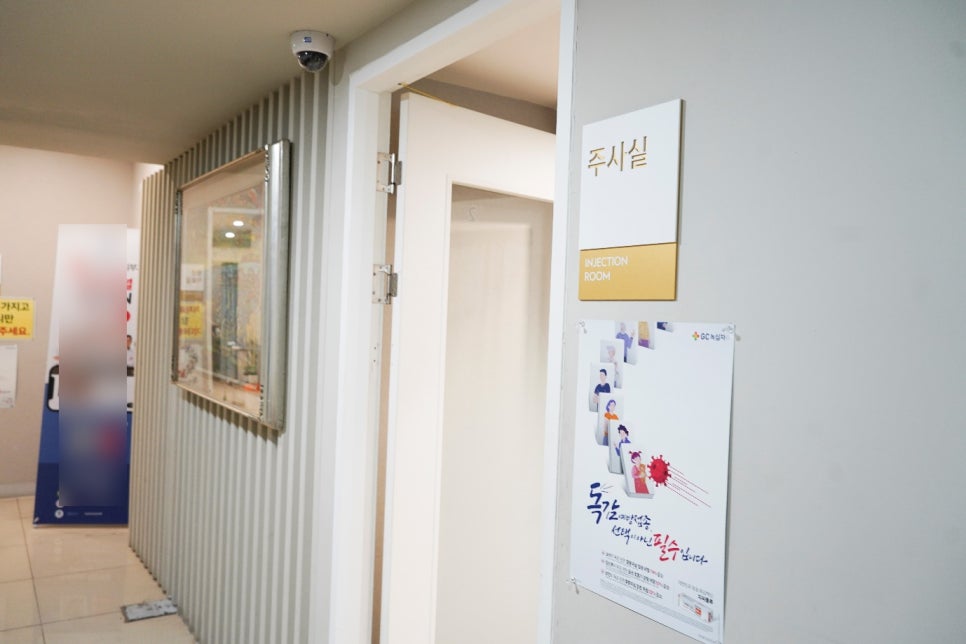
Adult acne inflammation injection treatment
What causes adult acne?
We usually think of acne as a “remnant of puberty.”
But the problem is that acne keeps going even after puberty ends.
The first cause of adult acne is hormonal imbalance.
In particular, for women, around the menstrual cycle or during ovulation, the sebaceous glands can become overactive, which may lead to red, pus-filled inflammatory acne.
The second cause is stress.
When stress accumulates, the stress hormone cortisol increases, and this can boost sebum production, becoming a trigger for acne.
The third is poor skincare habits.
In particular, using products with pore-clogging ingredients, products that are excessively oily, or repeatedly cleansing too aggressively can damage the skin barrier and make you more susceptible to adult acne.
How to prevent and control adult acne
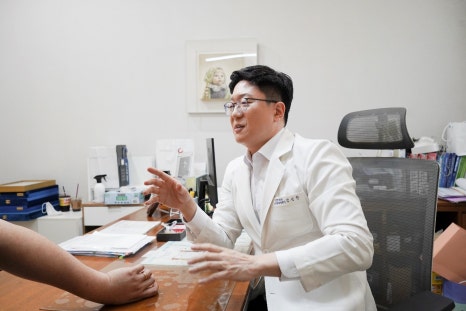
Many people focus on removing oil to correct adult acne.
However, if you remove oil unconditionally, the skin may react by releasing even more sebum.
That is why it may be advisable to use basic skincare products appropriately and maintain a healthy oil-moisture balance.
Also, cleansing twice a day with a gentle product is recommended, and you should be especially thorough when washing your face before bed.
In addition, for women, using a low-irritation cleanser with sebum-controlling function before and after the menstrual cycle may help prevent acne from occurring.
Lastly, pillowcases and towels that touch your face throughout the day accumulate more bacteria and oil than you might think.
Pillows, in particular, easily collect oil from hair and the scalp, as well as dust.
Therefore, it is good to wash pillowcases at least once or twice a week, and it is also advisable to use a separate towel only for the face.
How is adult acne treated?
When red, hard, pus-filled acne appears, many people try to squeeze it out themselves.
However, because inflammatory acne is a condition in which inflammation has spread deep into the skin, squeezing it incorrectly by hand can cause the inflammation to spread further inside the skin.
Therefore, if acne develops, it is best to visit a clinic and receive treatment if possible.
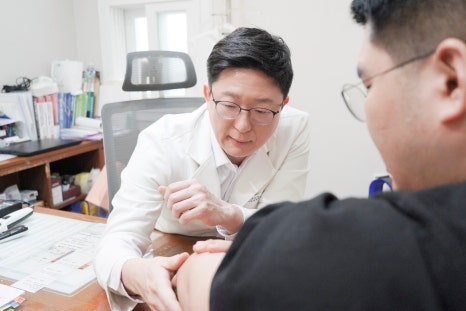
In particular, if the acne is at the stage just before becoming hard and pus-filled, an inflammation injection may be helpful.
An inflammation injection is performed by locally injecting a steroid medication into the inflamed acne area.
Through this, the inflammatory response of acne is reduced, and improvement of the local acne lesion can be expected.
In addition, pain caused by the inflammatory response may also be alleviated.
However, repeated inflammation injections in the same area may rarely cause skin atrophy, so overuse should be avoided, and it is advisable to receive the procedure under the judgment of medical professionals.
Also, if acne repeatedly occurs over a wide area, scaling or laser treatment may be needed instead of inflammation injections, so please keep this in mind when planning treatment.


Acne is not just a simple skin problem; it is a warning signal from the skin.
In particular, adult acne requires more attention because lifestyle habits, hormones, and the skin environment are all complexly intertwined.
Squeezing pus-filled acne by hand can actually worsen inflammation and leave scars.
In cases like this, it is better to plan dermatology treatment such as an inflammation injection.
Do not ignore the signals your skin is sending—listen to them now.
I hope this column from the Recommended Yeongdeungpo-dong Dermatology Clinic was helpful for those planning acne treatment.
Thank you for reading to the end.
| This post was written for informational purposes in compliance with Article 56, Paragraphs 1–15 of the Medical Service Act. All treatments carry the risk of side effects and complications depending on the individual. Before treatment, be sure to have 충분한 상담 with medical professionals with extensive experience before making a decision. |