Has your skin ever become rough and thick for no apparent reason,
with white scales flaking up like fish scales,
and red, firm plaques repeatedly appearing even when you do not scratch?
If these symptoms keep recurring from one day to the next, you may want to suspect psoriasis, a chronic skin condition.
Psoriasis is a skin disease accompanied by distinct red rashes and white, silvery scales.
It most commonly appears in areas that experience frequent friction, such as the elbows, knees, scalp, waist, and soles of the feet.
The problem is that once these symptoms appear, they do not go away easily and tend to recur and worsen at regular intervals.
For that reason, it is best not to dismiss psoriasis-related symptoms as something minor and to actively plan treatment.
Today, a dermatology specialist in Mullae-dong will explain the causes of psoriasis and psoriasis treatment methods in detail.
-Column outline by the Mullae-dong dermatology specialist-
-
Causes of psoriasis
-
Psoriasis complications
-
Psoriasis light therapy

What causes psoriasis?
At first glance, psoriasis may look like thick scales and rashes on the skin surface.
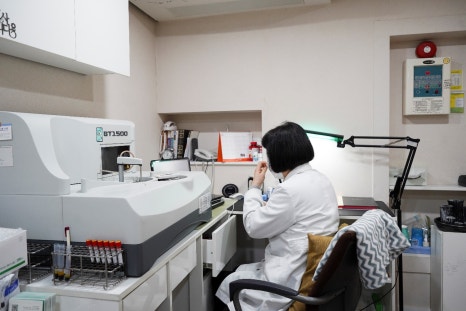
But in reality, psoriasis is a chronic disease that begins with a malfunction of immune cells.
Our body has immune cells, and these cells are responsible for recognizing external bacteria as enemies and attacking them.
However, when these immune cells suddenly mistake normal skin cells for enemies and attack them, the rate of skin cell proliferation can become abnormally fast as a result.
Skin turnover, which usually takes about 28 days, is completed in just 3 to 4 days, and in the process, scales accumulate layer upon layer without fully maturing.
In addition, a large amount of inflammatory substances are secreted deep within the skin, which may be accompanied by mild itching.

Why you should not leave psoriasis symptoms untreated
If psoriasis is left untreated, the skin lesions may spread over a wider area, become thicker, and progress to deeper inflammation.
And once a lesion appears, it does not disappear easily and may recur repeatedly. In particular, it can worsen rapidly in specific situations such as winter, periods of stress, or after catching a cold.
In addition, psoriasis has the characteristic of potentially having a significant impact on overall health.
In particular, psoriatic arthritis may occur, in which the finger joints swell and pain in the heels, knees, and lower back is accompanied.
In addition, patients with moderate to severe psoriasis are known to have a higher incidence of cardiovascular disease than people of the same age in the general population.
In simple terms, psoriasis is a skin disease that can have a major impact not only on skin condition, but also on overall health and quality of life.
Can psoriasis be treated?
In fact, sunlight and ultraviolet rays can help relieve psoriasis symptoms.
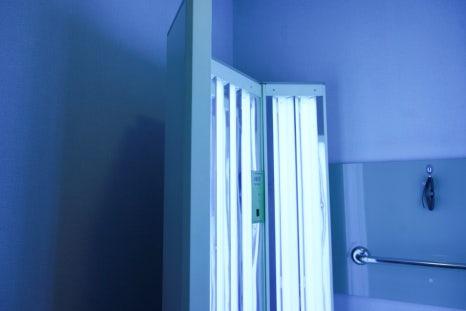
However, simply exposing the skin to sunlight is not enough; it is better to irradiate it with medically controlled levels of ultraviolet light.
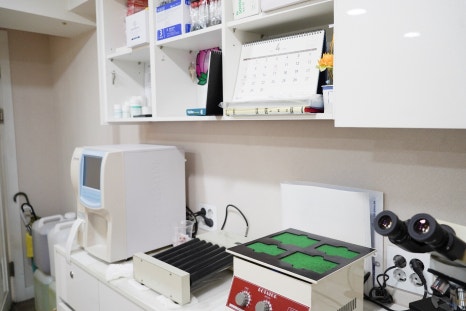
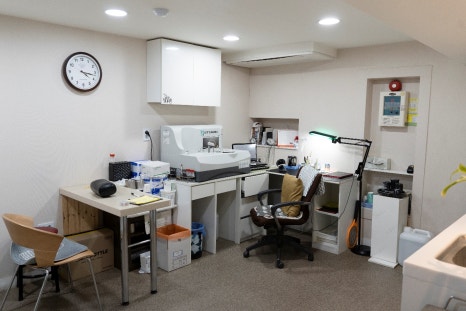
Light therapy is a treatment method for skin diseases that uses ultraviolet light of a specific wavelength.
Through this, the excessive immune response is suppressed and the overproliferation of skin cells is normalized, allowing improvement in the red rashes and thick scales caused by psoriasis.
In addition, since this treatment does not use medication, it has the advantage of being something that people who are concerned about drugs can try without much burden.
However, if the intensity of the light exposure is not properly controlled, minor or major skin damage may occur, so it may be advisable to receive treatment only after sufficient one-on-one consultation.

The weight carried by the word psoriasis is greater than you might think.
When first diagnosed, most patients are taken aback by the idea that it is a condition requiring ongoing treatment.
And from that moment on, anxiety and burden begin to build inside.
But if you establish a treatment plan suited to your condition and maintain consistent care, you can expect psoriasis symptoms to improve sufficiently.
So please be sure to understand the information shared today and actively plan your treatment.
If you have any questions beyond what was covered above, please leave them in the comments below.
I will kindly answer them.
Thank you for reading the post by the Mullae-dong dermatology specialist to the end.
| This post was written for informational purposes in compliance with Article 56, Paragraphs 1 to 15 of the Medical Service Act. All treatments carry the risk of side effects and complications depending on the individual. Before treatment, please be sure to have a thorough consultation with experienced medical staff before making a decision. |