Many people, when doing makeup, think the most important part is 바로
"skin"
.
If your skin tone is even and smooth, your face can look amazingly clean, and even without makeup, it gives a neat impression.
That is why balance in skin tone can be said to be a very important factor in the first impression you give others.
But what happens when small white spots begin to appear on the skin?
Vitiligo is a depigmenting skin condition caused by the loss of melanocytes, and it can disrupt the balance of skin color.
In addition, because the areas with missing pigment appear noticeably white and have clear borders, even small lesions can stand out a great deal.
Today, at Saetgang Station Dermatology, we will explain in detail what causes vitiligo and what treatment methods are available.
- Saetgang Station Dermatology column order -
-
Causes of vitiligo
-
Types of vitiligo
-
Vitiligo treatment methods

Why does vitiligo occur?
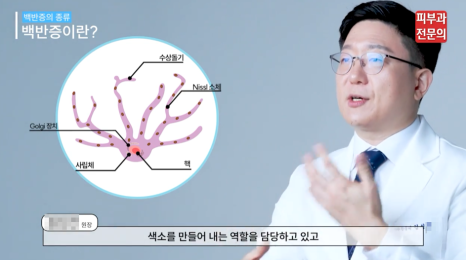
As mentioned at the beginning, vitiligo is a skin condition caused by melanocytes.
Melanocytes are a kind of defense base that controls skin color and protects our body from ultraviolet rays.
And as long as melanocytes are functioning properly, smooth and even skin tone can be maintained.
However, when the body's immune system overreacts, it may attack melanocytes that were otherwise functioning normally, preventing proper pigment formation.
As a result, the skin may lose color in various areas and noticeable white spots can appear.
Moreover, when severe stress, excessive ultraviolet exposure, and skin damage are added to this, the symptoms may progress even faster.


Are there different types of vitiligo?
Even within vitiligo, there can be clear differences in where it appears and how it spreads.
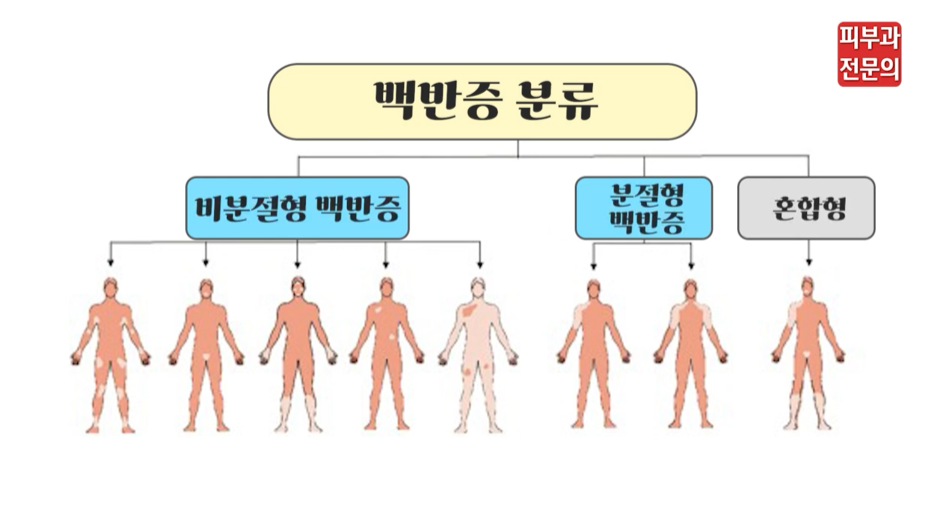
And what explains those differences are segmental vitiligo and non-segmental vitiligo.
✔️ Segmental vitiligo
Segmental vitiligo may form spots along an area supplied by a single nerve.
It often appears clearly on only one side of the body and does not spread beyond that.
In particular, it may progress rapidly during the first few months and then stop or progress very slowly afterward.
✔️ Non-segmental vitiligo
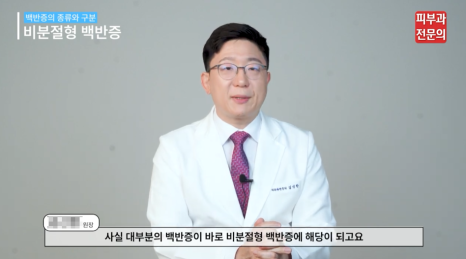
Most patients with vitiligo have non-segmental vitiligo.
It can occur anywhere on the body, and it may progress slowly or spread suddenly.
In addition, if appropriate early treatment is not provided, the white spots can cover the entire body, so it is important to plan treatment early.


Vitiligo treatment can be carried out in two ways?
Vitiligo treatment may be carried out differently depending on two stages.
First, during the 'active stage' when symptoms are spreading, ointment treatment aimed at suppressing the spread of lesions should be used.
At this time, steroid ointments and immunosuppressive ointments may be prescribed.
Then, after the progression of symptoms has stopped, light therapy may be performed.
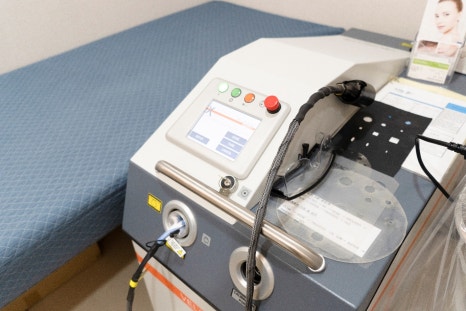
Light therapy has the characteristic of irradiating the skin with ultraviolet light at a certain intensity to restore melanocyte function and induce new pigment formation.
In particular, the excimer laser can irradiate the laser only within the lesion area, so it has the advantage of having less effect on the surrounding normal skin tissue.
However, if the laser intensity is not adjusted in detail according to the patient's skin condition, significant irritation may be caused to the skin, so a systematic diagnostic process is necessary.


Vitiligo is not simply a phenomenon where skin color disappears, but may be a complex signal sent by our body.
If a detailed diagnosis and customized treatment by stage are provided, it can greatly help suppress the progression of symptoms and induce pigment recovery.
However, self-diagnosis or folk remedies may actually worsen the condition, so please be sure to exercise caution.
We hope the information shared today was helpful to patients with vitiligo.
Thank you for reading Saetgang Station Dermatology's post to the end.
| This post was written for informational purposes in compliance with Article 56, Paragraphs 1 to 15 of the Medical Service Act. All treatments carry a risk of side effects and complications depending on the individual. Before treatment, please be sure to make a sufficient consultation with experienced medical staff before deciding. |