Ultraviolet rays can have various beneficial effects on our health by activating vitamin D.
But while ultraviolet rays can be beneficial when used appropriately, too much of them can become harmful.
In particular, excessive exposure to ultraviolet rays can cause skin aging, as well as minor pigment disorders of the skin.
That is probably why many people carefully apply sunscreen 365 days a year to block ultraviolet rays.
Of course, it is true that blocking ultraviolet rays makes a major contribution to maintaining healthy skin.
However, skin diseases do not occur only because of a single cause such as ultraviolet rays.
In particular, vitiligo is a skin disease that cannot be explained by ultraviolet rays alone.
Through the article below, I will explain in detail the causes of vitiligo and treatment methods.
- Jangseungbaegi Dermatology column order -
-
Causes of vitiligo
-
How to prevent and manage vitiligo
-
Vitiligo excimer laser treatment
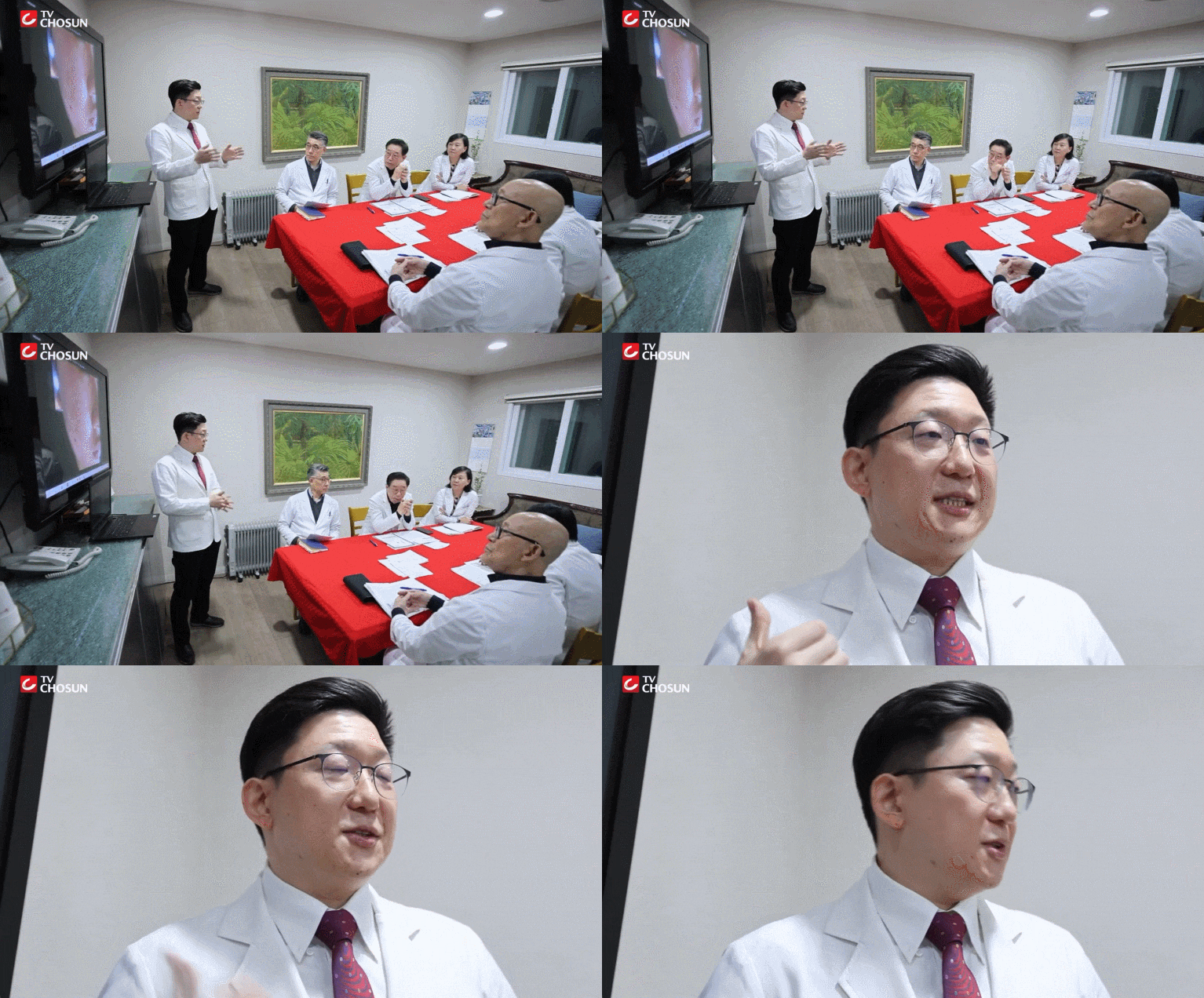
Why does vitiligo develop?
Vitiligo is an acquired depigmenting skin disease that occurs when melanocytes, which determine skin color, disappear.
And the loss of melanocytes is influenced by the following factors.
✔️ Autoimmune response
Our body has an immune system that detects and eliminates viruses or bacteria that invade from outside.
However, if something goes wrong with this immune system, it may begin to recognize even healthy cells inside the body as enemies.
In particular, if it attacks melanocytes, which determine skin color, the color of certain areas of the skin can become noticeably depigmented.
✔️ Psychological stress
Psychological stress causes hormonal changes in the body, and this can in turn disrupt the immune system.
And that can then affect the skin.
✔️ Skin irritation, friction
If skin friction and irritation are repeated, vitiligo due to the Koebner phenomenon can develop in certain areas of the skin.
In addition, chemical irritation can also be a cause of vitiligo.


Vitiligo: It is important to prevent it from the start.
Vitiligo has the characteristic that the affected area can become wider over time.
And when the affected area becomes wider, treatment may take a little longer.
Therefore, it is advisable to provide consistent care so that vitiligo symptoms do not occur or worsen.
First, as mentioned earlier, one of the representative factors that worsen vitiligo is stress.
Therefore, it is advisable to find emotional stability through deep sleep, meditation, yoga, and so on so that stress does not accumulate.
Ultraviolet rays are also one of vitiligo’s natural enemies, so when going outside, it is good to apply sunscreen carefully, and it is also good to physically block ultraviolet rays with arm sleeves, hats, and similar items.
Lastly, in order to prevent vitiligo caused by the Koebner phenomenon, you need to be careful not to expose your skin to unnecessary irritation in daily life.
In particular, it is best to avoid habits such as scratching or rubbing the skin, and it is advisable to refrain from harsh scrubs and exfoliation as well.
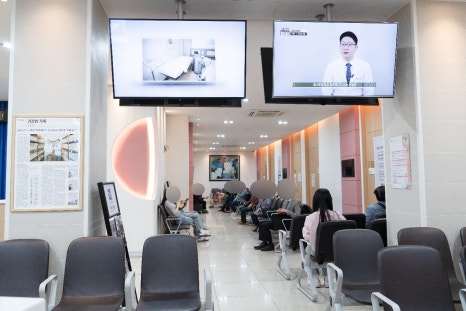

Vitiligo: How can new pigment be created?
Vitiligo is a skin disease in which white patches that suddenly appear one day seem to spread gradually, but at some point the progression of symptoms may stop.
And many people ask:
“Looks like it has stopped, but is it getting better?”
“Since it is no longer spreading, can I just leave it alone?”
However, white patches that have already appeared do not disappear on their own.
And over time, the symptoms may worsen again.
Therefore, you should not dismiss the condition as something minor, and you must actively plan treatment.
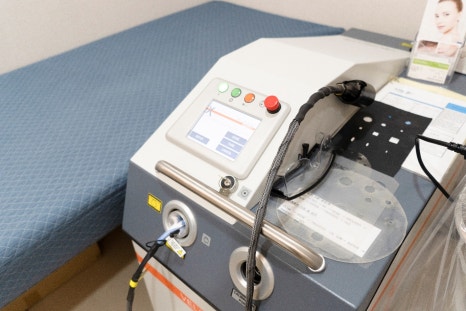
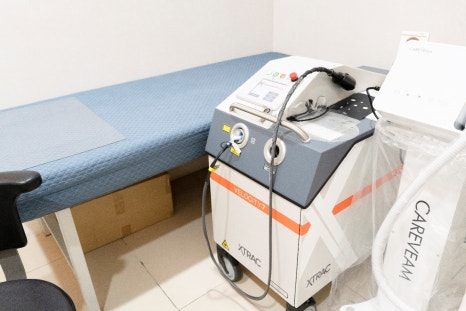
When the progression of vitiligo symptoms has stopped to some extent, excimer laser treatment may be needed.
Excimer laser treatment uses a wavelength of 308 nm and is characterized by stimulating melanocytes to help new pigment regenerate.
Through this, the border of the white patches can gradually become less distinct, allowing for improvement in the affected areas.
In addition, because the laser energy acts only on the problematic area, it has little effect on the surrounding normal skin tissue.
However, anything in excess becomes harmful.
Therefore, if an excessive amount of light is applied, the skin may be affected in various ways, so it is advisable to undergo treatment at an intensity suitable for you only after a one-on-one skin examination.
Vitiligo is not just a simple skin problem.
It is a complex disease involving the interplay of immunity, genetics, and environment, and rather than expecting short-term effects, long-term management and consistent treatment are the key.
The important thing is not to rush, and to accurately understand and respond to changes in your skin.
I hope the Jangseungbaegi Dermatology column was helpful for patients with vitiligo.
Thank you for reading Jangseungbaegi Dermatology’s article to the end.
| This post was written for informational purposes in compliance with Article 56, Paragraphs 1–15 of the Medical Service Act. All treatments carry the risk of side effects and complications depending on the individual. Before treatment, please be sure to have a thorough consultation with experienced medical staff before making a decision. |