Atopic dermatitis is not simply a condition that causes the skin to itch and turn red.
It is a chronic inflammatory skin disease in which an abnormal immune response weakens the skin barrier and makes the skin overly sensitive to external stimuli.
The problem is that once this condition begins, it tends to recur chronically, and the longer management and treatment are delayed, the worse the symptoms become.
Atopic dermatitis usually occurs on areas such as the insides of the elbows, behind the knees, the neck, and the face, but in severe cases it can spread over the entire body.
Patients cannot sleep well at night because of itching. As they scratch, the skin cracks, oozes, and may even develop a bacterial infection.
In particular, for pediatric patients, it can also have a negative effect on growth, development, and concentration while studying.
This is why early response to atopic dermatitis is necessary.
Today, we would like to share information that may be helpful for patients with atopic dermatitis at an adult atopic dermatitis clinic.
-Column outline from the Adult Atopic Dermatitis Clinic-
- Why early treatment for atopic dermatitis is necessary
- Phototherapy for atopic dermatitis
- Precautions after atopic dermatitis treatment
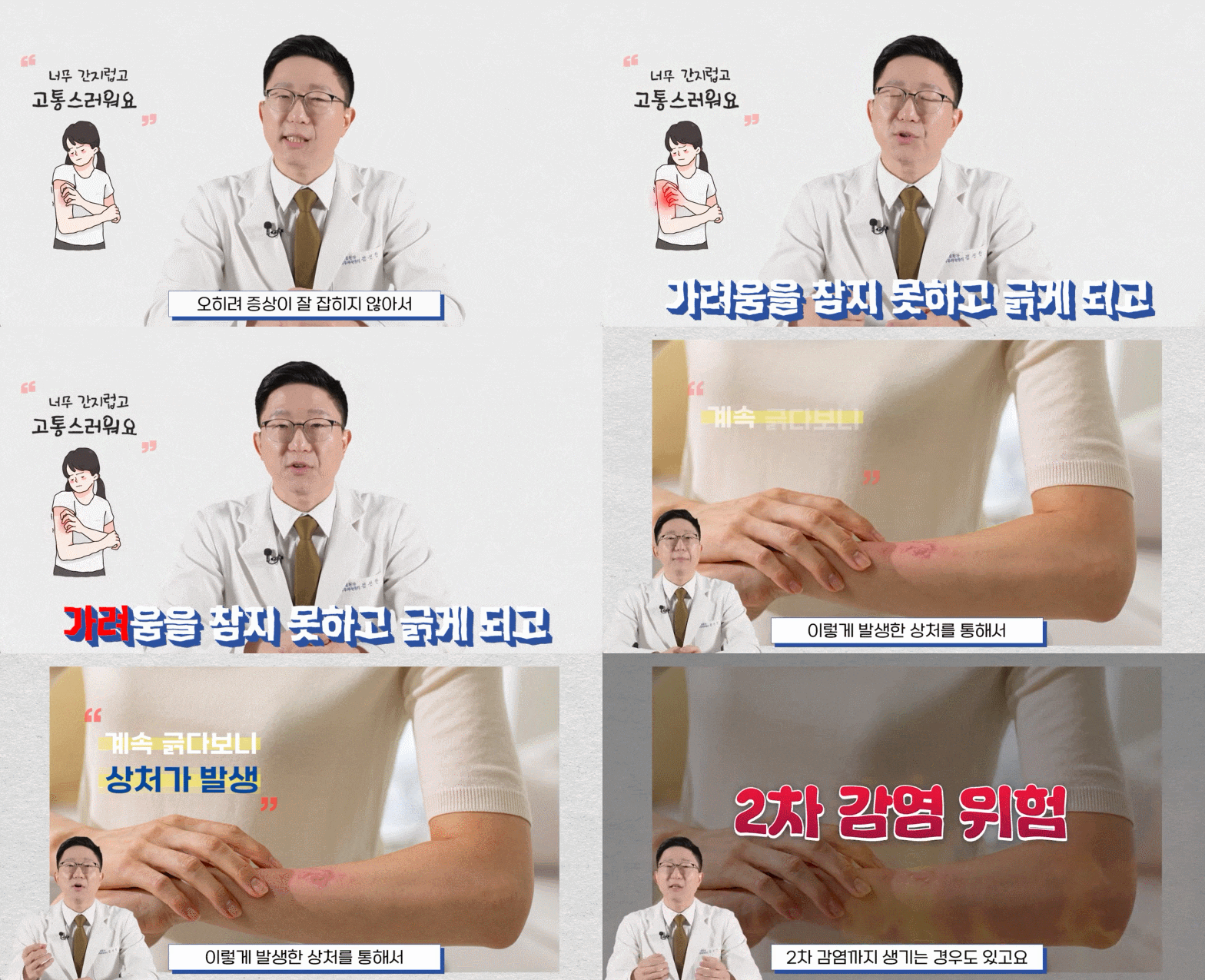
What happens if atopic dermatitis is left untreated?
Atopic dermatitis is not a condition that ends with simply being “a little itchy.”
It is a chronic inflammatory skin disease in which structural and functional weakening of the skin barrier combine to cause various uncomfortable symptoms at the same time.
The first and most typical symptom is itching.
This itching is not just a minor inconvenience; it keeps you up at night, lowers concentration, and in children it can interfere with growth and learning development.
In particular, people scratch unconsciously during sleep, which can injure the skin and cause fluid to seep out.
The second is skin rash and redness.
When atopic dermatitis occurs, the skin becomes red and swollen, and fine rashes appear in clusters.
If the symptoms worsen, crusts may form with oozing, and the skin surface can become rough.
The third is dry skin. The skin of atopic dermatitis patients has reduced moisture-retaining ability, so it is always dry and fine cracks form easily.
And through these gaps, bacteria or allergy-causing substances can easily enter.
If atopic dermatitis is left untreated, the next stage of problems begins.
First, the risk of secondary infection increases, and as a result, it can lead to various unexpected complications.
Damage can even extend to the subcutaneous tissue, leaving noticeable atopic scars.
Psychological problems also cannot be ignored.
Continuous skin discomfort, changes in appearance, and the gaze of others can lower self-confidence, restrict social activities, and in severe cases lead to depression or anxiety disorders.


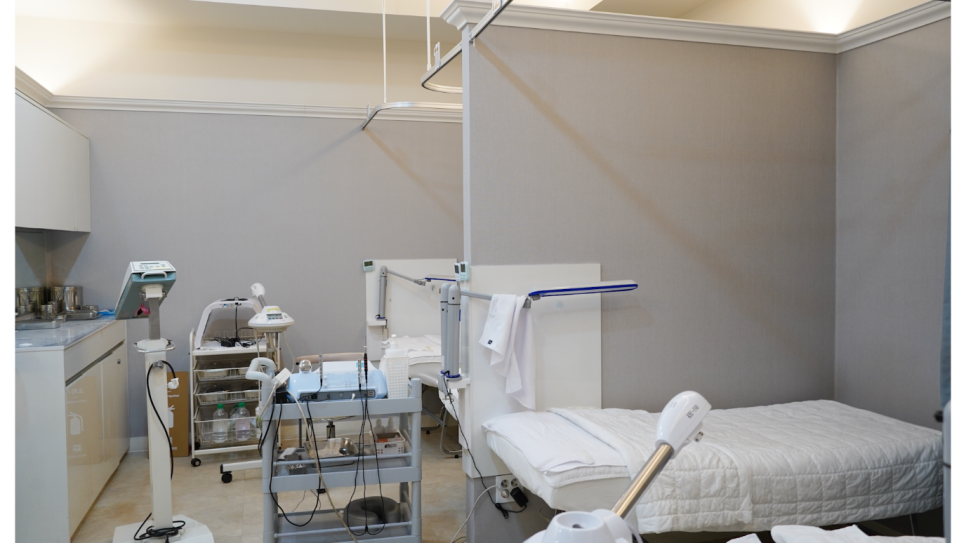
Atopic dermatitis, can it be treated with light?
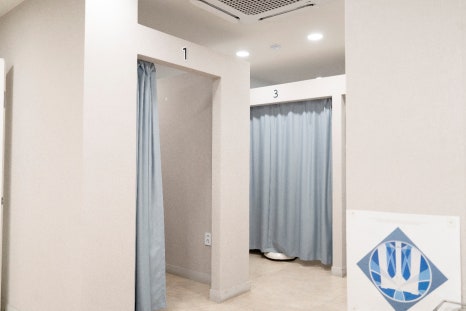
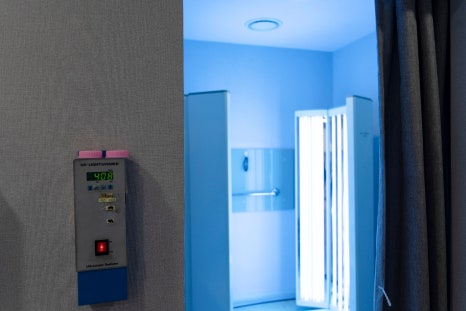
There are various methods used to treat atopic dermatitis, and the phototherapy discussed today is, as its name suggests, a treatment method that uses light.
Phototherapy is a treatment that exposes the skin to light of a specific wavelength.
Through this, the inflammatory response in the skin is regulated, and it may help control the itching and red rashes caused by atopic dermatitis.
Also, because this treatment does not use medication, it may reduce reliance on drugs and has the advantage of placing less burden on medication use.
In addition, it can be applied broadly, from children to adults.
However, the intensity and number of laser exposures must be adjusted depending on age, skin sensitivity, and whether there are underlying conditions.
In particular, patients with photosensitivity or cataracts may find phototherapy difficult to apply, so please visit the clinic to check whether the treatment is suitable for you.
Is there anything to be careful about after atopic dermatitis treatment?
Atopic dermatitis often comes back, turning red and itchy again, right when you feel relieved because diligent treatment has made the skin clean for a while.
Atopic dermatitis is a skin condition in which the skin barrier plays a major role.
Even if inflammation subsides through treatment, if recovery of the fundamental skin barrier is not sufficient, the skin may react again to external stimuli or allergens.
So preventing recurrence does not simply mean ending treatment; it begins with consistent care habits.
✅ Moisturizing care
Atopic skin is inherently less able to retain moisture.
When the skin is dry, the barrier becomes weaker and itching worsens.
Applying moisturizer at least twice a day, within 3 minutes after showering, following the “3-minute moisturizing rule,” helps greatly with barrier recovery.
✅ Minimize irritation
Synthetic detergents, harsh soaps, wool, or coarse fabrics can scratch and irritate the skin.
That is why you should choose gentle cleansers and soft cotton clothing, and when washing clothes, rinse out fabric softener and any remaining detergent thoroughly.
✅ Control temperature and humidity
An excessively hot or dry environment dries out the skin and promotes recurrence.
Therefore, it is advisable to maintain appropriate indoor humidity and temperature.
✅ Avoid allergy triggers
You should identify and minimize factors that worsen your symptoms, such as house dust mites, pet hair, pollen, and certain foods.
Keeping a record of symptom patterns by season and environment can help you avoid allergy triggers.

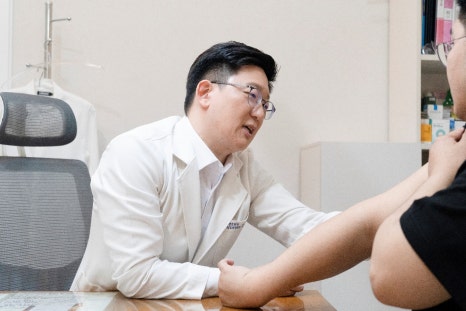
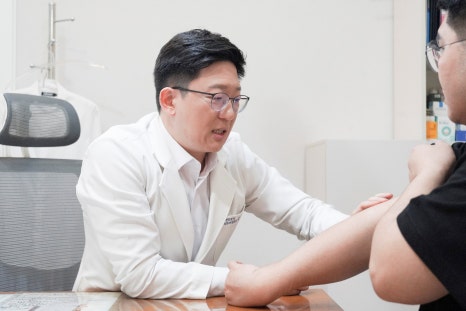
Atopic dermatitis is a skin disease, but it is also a chronic condition that affects overall health and daily life.
Even when symptoms calm down, it is important not to let your guard down and to check the condition of your skin regularly.
Also, because symptoms of atopic dermatitis can change depending on seasonal changes or environmental factors, a management plan tailored to those changes is needed.
In addition, when receiving treatment, it may be beneficial to maintain stable treatment direction through ongoing communication with the medical staff.
Furthermore, the understanding and cooperation of family members and people around you are also a great help in managing atopic dermatitis, so please keep this in mind.
We hope today’s column was helpful for patients with atopic dermatitis and for the guardians of patients with atopic dermatitis.
If you have any questions beyond the content above, please leave them in the comment box below.
We will answer kindly.
Thank you for reading the post from the Adult Atopic Dermatitis Clinic to the end.
| This post was written for informational purposes in compliance with Article 56, Paragraphs 1–15 of the Medical Service Act. All treatments carry the risk of side effects and complications depending on the individual. Please be sure to have sufficient consultation with an experienced medical professional before deciding on treatment. |