Healthy skin is more than just appearance; it is like a mirror reflecting the overall health of our body.
When the skin is moist and elastic, you feel energetic, but when it becomes dull or develops a rash, it can make you seem less well.
The skin undergoes small and large changes depending on various external and environmental factors.
In particular, the more it is exposed to dry environments, the more redness and flaking can appear on different parts of the skin.
In addition, the skin can also react sensitively to changes inside the body, and stress, hormonal changes, and even the food we eat can show up on the skin.
In particular, if there is a problem with the immune system inside the body, the result can appear directly on the skin.
If coin-shaped red rashes appear in different areas of the skin and white scales begin to form on top, you may want to suspect a “psoriasis skin condition.”
Today, I will explain in detail the causes of psoriasis and treatment methods.
-
Symptoms of psoriasis
-
Psoriasis itching treatment methods
-
Psoriasis symptom management guidelines
Psoriasis, various signals sent by the skin
The most representative suspected symptom of psoriasis is thick scales piling up in layers over red rashes.
These scales often come off easily, and if scratched, they can fall off like white powder.
It also tends to appear on bony areas such as the elbows, knees, and scalp.
And psoriasis can appear in very diverse forms, and depending on the form, it can be divided into many different types.
First, the most common type is plaque psoriasis.
It shows the classic appearance of thick white scales covering a broadly spread red rash, and it is commonly observed on the elbows, knees, and scalp.
Second, guttate psoriasis appears as small droplet-shaped rashes scattered across the body, just as the name suggests.
It often appears suddenly after an upper respiratory infection such as a cold, so it is commonly seen in teenagers and young adults.
Third, pustular psoriasis causes numerous small pustules filled with pus to form on the skin, and if it progresses rapidly, it may even be accompanied by systemic symptoms.
Lastly, erythrodermic psoriasis is a severe form in which the entire skin becomes red and peels, and it can be an emergency situation that requires early intervention. If these symptoms appear, it is advisable to visit the nearest emergency room and receive appropriate treatment.


How is psoriasis itching treated?
Topical ointments are generally used to treat psoriasis itching.
The first ingredient used in psoriasis ointments is steroids.
Because steroids have a powerful anti-inflammatory effect, they can greatly help control skin redness and itching.
Vitamin D derivatives suppress the excessive proliferation of skin cells, helping reduce the amount of scales.
Therefore, when treatment is carried out using steroid ointments and vitamin D derivatives with these functions, you can expect improvement in the red rashes and thick scales caused by psoriasis.
However, what matters here is how much and how it is applied.
Psoriasis ointments are usually applied thinly only to the affected area once or twice a day.
Before applying the ointment, wash your hands thoroughly, and after applying it, gently rub it into the skin to help absorption. However, be careful not to rub too hard, as that can cause irritation instead.
What should be done along with treatment for psoriasis?
For psoriasis, just as important as treatment is how the patient lives day to day, which becomes an important factor in determining long-term improvement or worsening.
The first keyword is moisturization.
Psoriatic skin worsens when it becomes dry, so moisturizer should be applied diligently two to three times a day.
In particular, applying it right after showering, while a little moisture remains on the skin, can greatly improve absorption.
The second is minimizing irritation.
Scratching the skin or rubbing it hard is not allowed.
Because psoriasis can develop new lesions at sites of injury, known as the “Koebner phenomenon,” it can react sensitively even to small irritations.
Therefore, it may be wise to pay attention at all times so that unnecessary irritation is not applied to the skin.
The third is balancing sunlight.
Moderate sunlight can help regulate the skin’s immune response and ease psoriasis.
However, long periods of strong ultraviolet exposure can actually worsen symptoms, so it is better to briefly get mild morning sunlight.
The last is quitting smoking and drinking in moderation.
Smoking can affect blood vessels and immune responses and may worsen psoriasis, so please be sure to refrain from frequent smoking and drinking.

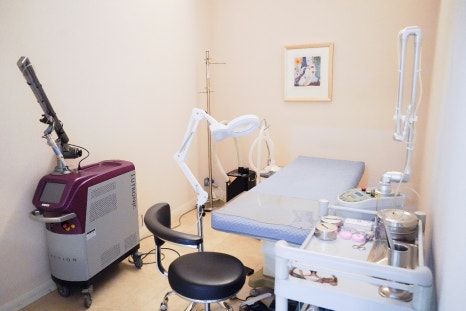
Psoriasis is not simply a problem limited to the skin; it is a condition that affects the entire body and mind.
Therefore, when starting treatment, it is necessary to establish a long-term management strategy rather than expecting only short-term improvement.
Most importantly, the patient themselves needs to properly understand the condition and respond wisely rather than with fear.
The goal is not to eliminate psoriasis completely, but to control symptoms and improve quality of life.
So based on the information shared today, I hope you will actively plan your treatment.
If you have any questions other than the points covered above, please leave them in the comment box below.
I will kindly answer them.
Thank you for reading to the end.
| This post was written for informational purposes in compliance with Article 56, Paragraphs 1 to 15 of the Medical Service Act. All treatments carry the risk of side effects and complications depending on the individual. Before treatment, please be sure to have sufficient consultation with medical staff with extensive experience before making a decision. |