If atopic dermatitis starts during the teenage years, it can do more than just affect the skin—it can shake up overall quality of life.
Atopic dermatitis is a skin condition accompanied by severe itching.
At a time when you should be focusing on studying, you may end up putting down your pencil to scratch, and that can eventually affect your grades as well.
Even when you lie down to sleep, the habit of scratching can disrupt your rest and leave you feeling tired the next day.
In other words, atopic dermatitis is not just a disease that troubles the skin, but a chronic condition that affects everyday life as a whole.
In particular, the teenage years are an important period for studying, relationships with friends, and forming one’s identity, and atopic dermatitis can cast a shadow over this process.
The most important point here is that atopic dermatitis during the teenage years can continue into adulthood if it is not properly managed.
Even if it improves temporarily, it can recur if left untreated, and repeated inflammation can lead to thickened skin, pigmentation, and scarring.
Today, we will organize how atopic dermatitis that develops in the teenage years is treated and how it should be managed at a pediatric dermatology clinic for teenage atopic dermatitis treatment.
-Pediatric Dermatology for Teenage Atopic Dermatitis Treatment Column Outline-
-
Causes of atopic dermatitis in the teenage years
-
How to prevent worsening of atopic dermatitis
-
Features of steroid ointment treatment and phototherapy


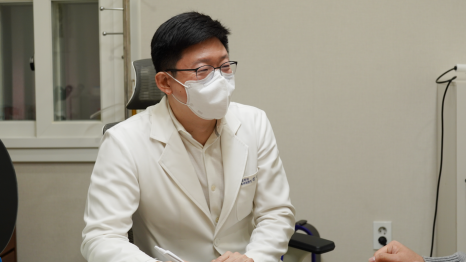
Why does atopic dermatitis occur during the teenage years?
Atopic dermatitis is not simply a disease that happens because “the skin is weak.”
In fact, it is a condition that develops through a complex combination of internal and external factors.
First, if one of the parents has atopic dermatitis or an allergic disease, the child’s likelihood of developing atopic dermatitis is much higher than that of the general population.
If both parents have an atopic constitution, the risk can be even greater.
Also, the skin of patients with atopic dermatitis has fewer moisturizing factors than normal skin, and the skin barrier is easily damaged.
In other words, the skin’s defense against external irritation is reduced, creating an environment where allergens and bacteria can easily enter.
As a result, teenage patients with atopic dermatitis may react very sensitively to everyday irritants such as sweat, dust, and even cleansing products.
Next are environmental factors.
During the teenage years, there are many opportunities to be exposed to external irritants through school life, exercise, and activities with friends.
At this time, fine dust, dry air during seasonal changes, and allergic factors such as mold or house dust mites can worsen atopic dermatitis symptoms.
Finally, lifestyle habits are also important.
Irregular sleep, fast food intake, and stress can trigger or worsen atopic dermatitis symptoms, and especially in adolescents going through puberty, the immune system can easily become unsettled due to school-related stress and irregular routines, which can increase the incidence of atopic dermatitis.
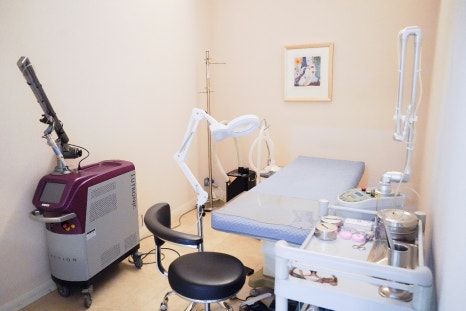

How can worsening be prevented in teenage atopic dermatitis?
If teenage atopic dermatitis worsens, the effects can go beyond the skin and negatively affect overall quality of life.
In particular, repeated scratching due to severe itching can cause the skin to crack and ooze.
In the process, the skin barrier becomes even weaker, and bacteria can more easily enter, leading to secondary infection.
And as itching keeps you tossing and turning every night, eventually preventing deep sleep, it can directly harm study concentration and growth and development as well.
Not only that, but it can also lead to psychological symptoms such as lowered confidence and feelings of depression.
For that reason, it may be advisable to maintain consistent care so that atopic dermatitis does not worsen.
First of all, applying moisturizer regularly is the foundation of atopic dermatitis care.
In particular, it is important to apply enough moisturizer within 3 minutes after showering to prevent moisture loss.
Also, strong cleansers or fragranced products should be avoided, and mild cleansers should be used instead.
Excessive sweating can worsen atopic dermatitis symptoms, so after exercise you should shower promptly and moisturize.
In addition, it is good to maintain indoor humidity at 40–60% and reduce allergic factors such as house dust mites and mold.
Lastly, stress during the teenage years is an important factor that intensifies atopic dermatitis, so regular exercise, sufficient rest, and a supportive psychological environment are needed.


What treatment methods are used by symptom type?
Atopic dermatitis may be treated with different methods depending on the severity of the symptoms.
✅ Ointment treatment
Steroid ointments are widely used treatments for atopic dermatitis.
Because this medication helps reduce inflammation, it can help relieve the rash and itching caused by atopic dermatitis.
In addition, because it is divided into different strengths, it can be customized for use by everyone from children to adults.
If used for a long period without a doctor’s instruction, or if too much is applied, side effects such as skin atrophy and blood vessel dilation may occur.
Therefore, it is essential to strictly follow the dosage and duration recommended by the medical staff.
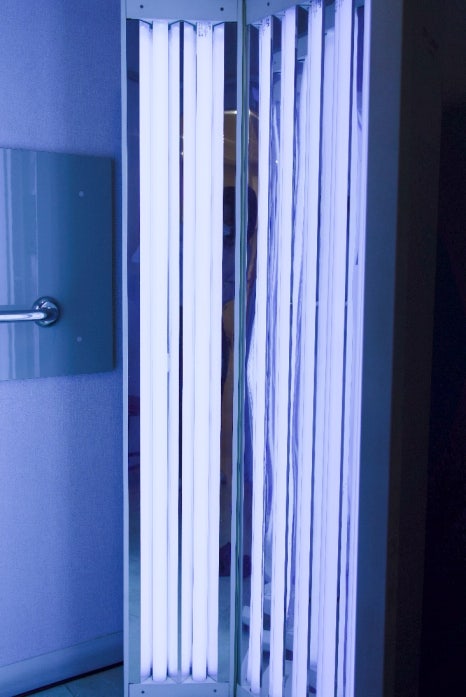
✅ Phototherapy
Phototherapy is a method that uses light of a specific wavelength to control inflammatory reactions in the skin.
In simple terms, it can be understood as a treatment that stabilizes the overly activated immune and inflammatory responses in the skin through light.
It may be especially suitable for patients whose symptoms are spread across the whole body or for those who find long-term use of steroid ointments burdensome.
However, expected results can only appear after receiving treatment consistently for a certain number of sessions, so planned and steady management is necessary.

Atopic dermatitis is not a condition limited to the skin alone, but a chronic disease that affects life as a whole.
However, with early diagnosis, consistent treatment, and proper lifestyle management, adequate symptom control can be expected.
In particular, the more severe the symptoms are, the more advisable it may be to seek help from medical professionals rather than trying to solve it alone.
And when treating it, the goal should not be temporary soothing, but long-term strengthening of the skin barrier and reducing recurrence.
I hope this column from the pediatric dermatology clinic for teenage atopic dermatitis treatment was helpful to those who are stressed by atopic dermatitis symptoms.
If you have any questions beyond the information above, please leave them in the comment box below.
We will kindly answer them.
Thank you for reading to the end.
| This post was written for informational purposes in compliance with Article 56, Paragraphs 1–15 of the Medical Service Act. All treatments carry a risk of side effects and complications depending on the individual. Please be sure to have a thorough consultation with medical staff with extensive experience before deciding on treatment. |