There is a guard in our body that works nonstop.
That is the immune system.
Immunity is the first line of defense that blocks bacteria and viruses when they invade from outside.
Thanks to it, we can stay healthy without major problems even though we come into contact with countless pathogens every day.
However, when something goes wrong with this immune system, the immune system that should attack enemies can begin attacking our body’s normal cells.
This state, in which the immune system malfunctions, is called an autoimmune abnormal reaction.
When an autoimmune reaction occurs, various physical abnormalities can appear. If skin cells are attacked, the skin cell turnover cycle can become excessively fast, and thick scales may build up in various parts of the skin.
At this point, one condition to suspect is psoriasis.
Today, we will take a detailed look at the chronic skin condition psoriasis at Seoul Dangsan-dong Dermatology.
-Column Topics from Seoul Dangsan-dong Dermatology-
-
What happens if psoriasis is left untreated
-
How to prevent psoriasis from worsening
-
Psoriasis ointment treatment, phototherapy

Why psoriasis should not be left untreated
Psoriasis is a chronic condition in which white scales build up on the skin and red rashes appear.
At first, it can easily be dismissed as simple dryness or something similar to dermatitis.
But the problem is that leaving this condition untreated can lead to a much more complicated situation.
If psoriasis is not treated, the scales gradually become thicker and the area of the red rash expands.
In particular, lesions that start in a small area can spread to the arms, legs, scalp, and even the entire body.
In addition, if you scratch the skin because of severe itching, it can become wounded, and bacterial infection through that area can cause oozing or severe pain.
If psoriasis is left untreated for a long time, it can extend beyond the skin and develop into a systemic disease.
A representative example is psoriatic arthritis.
When psoriatic arthritis develops, symptoms may extend beyond the skin to include swollen and painful joints, so it may be advisable to plan treatment as early as possible.



How can you help prevent psoriasis symptoms from worsening?
Psoriasis is not simply a condition in which scales form on the skin.
It is a chronic disease in which immune system imbalance attacks the skin, causing inflammation and excessive cell growth.
Because of this, even a slight lapse in management can cause symptoms to worsen quickly.
Therefore, it may be advisable to help prevent worsening by maintaining consistent care.
First, psoriasis can worsen easily in dry environments. When the skin is dry, itching becomes more intense, and scratching can make inflammation worse.
So, applying moisturizer consistently every day is the most basic yet important care method.
Second is getting enough sleep.
The immune system is closely related to sleep.
Staying up all night or not getting enough sleep can disrupt immune balance and worsen skin inflammation, so maintaining regular sleep habits can help prevent symptoms from worsening.
Third is stress management.
Stress is a representative factor that triggers psoriasis flare-ups.
That is because psychological tension stimulates the immune system and worsens inflammatory reactions in the skin.
It is necessary to reduce stress through regular exercise, meditation, hobbies, and similar activities.

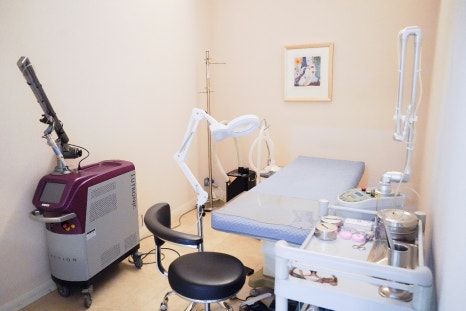

How should psoriasis be treated?
Different treatment methods may be applied to psoriasis depending on the extent and severity of the symptoms.
The treatment methods that may be used for psoriasis are as follows.
✅ Ointment treatment
The ingredients used in psoriasis ointment treatment are steroids and vitamin D derivatives.
Steroid ointments play a role in quickly calming inflammatory reactions in the skin, and vitamin D derivatives help regulate excessive proliferation of skin cells.
Therefore, by applying steroid and vitamin D derivative ointments that perform these functions, you can expect relief from psoriasis-related symptoms.
✅ Phototherapy
Phototherapy is, as the name suggests, a treatment that uses light.
In particular, by exposing the skin to 311 nm wavelength light, it can help regulate the immune overreaction of the skin and suppress abnormal proliferation of skin cells.
Phototherapy is usually performed consistently 2 to 3 times a week for several months or longer.
As the treatment effect accumulates, skin lesions can gradually fade, and you can expect the overall skin to become healthier.


Psoriasis is not simply a condition limited to the skin; it is a chronic disease that affects overall physical health and quality of life.
Therefore, it is just as important as treatment for patients to understand psoriasis and actively manage it.
And rather than aiming for a complete cure, the realistic goal of treatment is to keep the condition stable through continuous control.
Also, because the extent and pattern of symptoms differ from person to person, a patient-specific approach is essential.
Therefore, it may be advisable to continue consulting with medical staff and carry out integrated management that includes lifestyle habits.
We hope the column from Seoul Dangsan-dong Dermatology was helpful for patients with psoriasis.
If you have any questions other than those covered above, please ask through the comment box below.
We will kindly respond.
Thank you for reading to the end.
| This post was written for informational purposes in compliance with Article 56, Paragraph 1 through Paragraph 15 of the Medical Service Act. All treatments carry a risk of side effects and complications depending on the individual. Before treatment, please be sure to make your decision only after sufficient consultation with a medical professional with extensive experience. |