Acne is a common skin condition that can appear in anyone, regardless of age or gender.
Typical symptoms include red pimples, pus-filled pustules, and small bumpy comedones that look like tiny grains.
In severe cases, inflammation can spread deep into the skin and be accompanied by pain.
In particular, because it occurs in highly visible areas such as the face, jawline, back, and chest, its impact on appearance is significant.
When acne develops, it does not simply end as a skin problem.
It can greatly affect first impressions, make people feel withdrawn in social situations, and in severe cases lead to lower self-esteem or feelings of depression.
However, many people tend to dismiss acne as a minor symptom and leave it untreated.
But if left untreated, acne can settle deeper and become more likely to leave scars.
That is why it may be advisable to stay alert to acne and plan treatment as early as possible.
Today, we would like to take a detailed look at acne at a dermatology clinic that provides acne scaling treatment.
-Column outline for the acne scaling treatment dermatology clinic-
- Differences between non-inflammatory and inflammatory acne
- Acne scaling treatment
- How to manage and prevent acne recurrence
Acne can be classified like this.
Acne can broadly be divided into non-inflammatory acne and inflammatory acne, and the characteristics of each are as follows.
✔️ Non-inflammatory acne
Non-inflammatory acne includes what are commonly called blackheads and whiteheads.
This occurs when pores become blocked with sebum and dead skin cells, but there is not yet any bacterial infection or severe inflammatory response.
And blackheads are formed when sebum comes into contact with air and oxidizes, making it appear dark, while whiteheads are comedones trapped inside the skin that look like small white bumps on the surface.
At this stage, there is almost no pain and the bumps are small, so it is easy to overlook them, but if left untreated, they can eventually progress to inflammatory acne.
✔️ Inflammatory acne
At this stage, sebum inside the pores meets bacteria and triggers an inflammatory response.
As a result, the affected area becomes red and swollen, pus may build up, and in severe cases cysts can even form deep within the skin.
In addition, yellow or white pus may be visible at the center of the lesion.
Also, if it is not properly managed, the dermis layer of the skin can be damaged, increasing the possibility of scarring, so it is best to plan treatment as soon as possible.

How is acne scaling treatment done?
The treatment for acne can vary depending on the type and severity of the symptoms.
In particular, the approach should differ depending on whether it is a small comedone stage, a red and inflamed pustular stage, or a stage that has progressed to scarring.
First, the treatment method we will discuss today is scaling treatment.
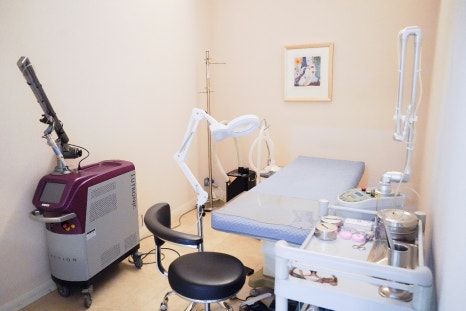
Skin scaling is performed by applying a specific agent directly to the affected area.
As this agent penetrates deep into the pores, it chemically dissolves the dead skin cells and sebum blocking the pores.
As a result, the clogged pores are cleared, and you can expect an effect that improves the root cause of acne: blocked pathways.
In addition, scaling does more than exfoliate dead skin; it also helps destroy acne-causing bacteria, so you can expect the added benefit of improving red, pus-filled acne.
Moreover, because no separate anesthesia is required, even those who feel burdened by treatment can undergo it without much strain.

How can acne recurrence be prevented and managed?
Acne is a condition in which recurrence management is more important than the concept of a cure.
That is because acne does not have just one simple cause.
The development of acne is influenced by a combination of various factors such as sebum production, hormonal changes, bacterial growth, lifestyle habits, and stress.
That is why it may be advisable to carry out consistent care along with treatment.
In particular, it is good to practice skin care suited to your skin type, and at this time, it is important to use non-comedogenic products that do not clog pores while not drying the skin excessively.
In addition, regular sleep, a balanced diet, and proper exercise are directly linked to skin health, so it is best to reduce late-night snacks and high-sugar foods as much as possible.
And, as obvious as it may sound, it is advisable to cleanse thoroughly twice a day to remove waste and buildup from the skin.
Lastly, early treatment when lesions are small can prevent them from developing into larger acne, so we recommend visiting a dermatology clinic regularly to check your current skin condition.
Acne is not simply a small pimple on the skin, but an important skin condition that is directly linked to confidence in daily life.
We hope that through today’s discussion, your perspective on acne has changed a little.
One habit you have overlooked, or one aspect of care you have missed, can greatly affect changes in your skin.
Therefore, it may be advisable to follow the skin care guidelines shared today carefully.
And rather than worrying about acne symptoms alone, seeking solutions together with medical professionals is the wisest approach.
We hope this column from the acne scaling treatment dermatology clinic was helpful to those who have been stressed by acne symptoms.
If you have any questions other than those covered above, please ask in the comments below.
We will be happy to answer kindly.
Thank you for reading to the end.
| This post was written for informational purposes in compliance with Article 56, Clauses 1 through 15 of the Medical Service Act. All treatments carry a risk of side effects and complications depending on the individual. Before treatment, be sure to have a thorough consultation with medical staff who have extensive experience before making a decision. |