Acne is often thought of as just a few pimples on the skin, but in fact, it is one of the most common skin conditions experienced by many teenagers.
Especially during puberty, hormonal changes suddenly increase sebum production, and as pores become clogged, acne can develop easily.
The problem is that acne during this period does not simply remain a cosmetic issue; it can also lower confidence and affect friendships.
In addition, squeezing pimples by hand or using irritating cosmetics can leave scars and pigmentation, so caution is needed.
So today, I would like to explain step by step the causes of acne during puberty, the main ingredients commonly used in ointments for treatment, and lifestyle habits that help prevent recurrence.
In particular, the retinoid and antibiotic ingredients that are often prescribed among acne ointments are things you must know before using them, so I hope you will read this article through to the end.
-
Why does teen acne happen?
-
What ingredients are used in topical medications?
-
Lifestyle habits are important to prevent recurrence.

Teen acne, why does it happen?
When puberty begins, hormonal changes make the sebaceous glands work more actively.
If dead skin cells do not shed properly, pores become clogged, and acne bacteria can take hold and develop into inflammatory acne.
In other words, it is important to understand that this is not simply something caused by "dirty skin," but a skin condition that appears as various internal and external changes overlap.
In addition, excessive stress, irregular daily habits, and poor cleansing habits can also act as factors that worsen acne.
At the same time, forcefully squeezing acne by hand can leave scars and pigmentation, so it is best to receive treatment that suits your own condition.
What ingredients are used in topical medications?
The foundation of teen acne treatment is topical ointment.
The thing that worsens acne is the "acne bacteria."
This bacteria enters the skin pores, causes inflammation, and makes acne worse.
Antibiotics help reduce inflammation, and improvement can be expected in red, pus-filled acne.
Retinoid ointments suppress sebum secretion and help regulate keratin production.
In other words, they help address the root cause of acne, but when first used, skin peeling or redness may occur.
These symptoms are part of the skin's adaptation process, so there is no need to worry too much.
However, if either ingredient is used excessively, there is a risk of resistance or skin irritation, so it is best to use them only after receiving a prescription and guidance from a specialist.
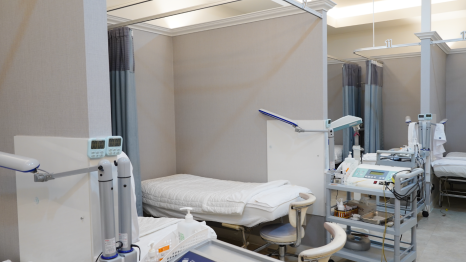
Lifestyle habits are important to prevent acne recurrence.
Acne does not disappear completely with treatment alone.
To prevent recurrence, lifestyle management in daily life must be done together.
First, cleansing habits are important.
Twice a day. Using a mildly acidic cleanser and gently washing with lukewarm water helps reduce skin irritation and properly manage sebum.
Exfoliation is also essential.
Light exfoliation about once or twice a week can help prevent clogged pores. However, it should be noted that exfoliating too often can damage the skin barrier.
Diet also has a major effect on skin condition.
If you consume too much sugar, fat, and dairy products, acne can easily return, so it is best to maintain a balanced diet.
Lastly, daily rhythms such as enough sleep and stress management are also important.
A regular lifestyle and proper stress management have a positive effect on the skin's recovery and immunity as well.
In this way, when careful lifestyle management and regular skin condition checkups are carried out together, healthy skin can be maintained for a long time.
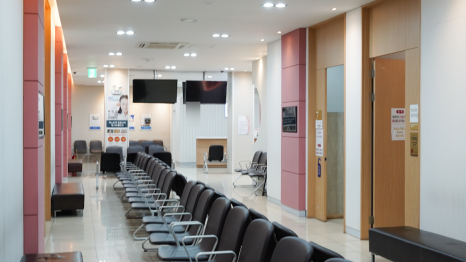
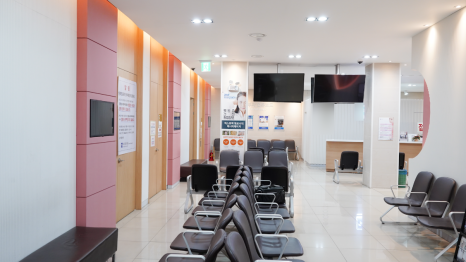 Teen acne is a chronic skin condition that can affect not only appearance, but also confidence, daily life, and psychological stability.
This is why it is most important to treat it correctly from the beginning and to manage lifestyle habits to prevent recurrence.
In particular, acne is caused by a combination of various internal and external factors, so it may not disappear completely just by applying medication.
Therefore, careful daily management is needed.
If medication treatment is combined with daily care, treatment effectiveness can be improved and the risk of recurrence can be reduced.
Also, rather than trying to solve the problem alone, it is safer and more effective to find a treatment that suits your own skin.
Finally, maintaining enough sleep, a balanced diet, stress management, and proper cleansing and skincare habits can reduce concerns caused by acne and help keep skin healthy for a long time.
Teen acne can be overcome sufficiently with the right approach early on and consistent care, so it is important to start small management habits and consult a specialist even from now.
I hope today's column was helpful for those who are struggling with acne.
If you have any questions beyond the information above, please ask in the comment box below.
We will kindly answer them.
Thank you.
| This post was written for informational purposes in compliance with Article 56, Paragraphs 1–15 of the Medical Service Act. All treatments carry risks of side effects and complications depending on the individual. Before treatment, please be sure to make a sufficient consultation with experienced medical staff and decide after that. |