Have you ever experienced skin turning red, developing thicker scales, and even itching along with it?
These symptoms may not simply mean your skin is dry, but could be a chronic skin condition called psoriasis.
Psoriasis is an inflammatory disease in which scales build up on the skin’s surface and red rashes appear, and in severe cases, it can even cause oozing or bleeding.
If someone in your family has psoriasis, or if you live a life where stress and fatigue build up, the chance of symptoms appearing increases.
So if these symptoms appear and you just think, “It’ll get better with time,” and leave them untreated, that can be risky.
When psoriasis symptoms continue, itching and pain can prevent you from sleeping properly, interfere with daily life, and bring psychological stress as well.
Therefore, not only treatment but also steady management is needed together to protect healthy skin.
-
Psoriasis symptoms and characteristics
-
Causes of psoriasis and aggravating factors
-
Psoriasis ointment treatment methods


Psoriasis Symptoms and Characteristics
Normal skin replaces itself with new cells about every 28 days, which is called skin turnover.
However, when the immune system is disrupted, this turnover cycle speeds up rapidly, and thick scales and red rashes appear across the skin.
Psoriasis is not just a scaling problem; it is a condition accompanied by inflammation, and in severe cases, it can even cause oozing or bleeding.
Also, if you scratch the skin because of itching, the damage can worsen, so caution is needed.
Psoriasis can appear in several forms, and symptoms differ from person to person.
First, plaque psoriasis appears as thickened skin in clearly defined plaque-like patches, while guttate psoriasis is characterized by small drop-like rashes.
Pustular psoriasis may also appear as rashes filled with pus.
Because these various symptoms differ from patient to patient, understanding the detailed condition is the first step in treatment.



Causes of Psoriasis and Aggravating Factors
Psoriasis does not arise from a single cause; it is a condition that appears when multiple factors act together.
Genetic factors play an important role, and if even one parent has psoriasis, the likelihood of developing it increases.
Also, if there is a problem with the immune system, skin cells are excessively attacked, the turnover cycle speeds up, and as a result, scales and red rashes build up on the skin.
Stress and fatigue are also major factors that worsen psoriasis.
When psychological tension or overwork continues, the immune response is stimulated, the speed of skin cell growth increases, and as a result, symptoms can become more severe.
External irritation can also affect psoriasis.
Skin friction, wounds, showers with water that is too hot, and body scrubbing can all suddenly irritate the skin and worsen symptoms.
In addition, dry seasons or dry environments can make the skin drier and intensify symptoms.
Therefore, to prevent psoriasis and stop it from worsening, it is necessary to manage moisture carefully, avoid irritating the skin, maintain regular daily habits and enough sleep, and pay attention to stress management.
When this kind of care is maintained consistently, the onset and worsening of psoriasis can be prevented to some extent.
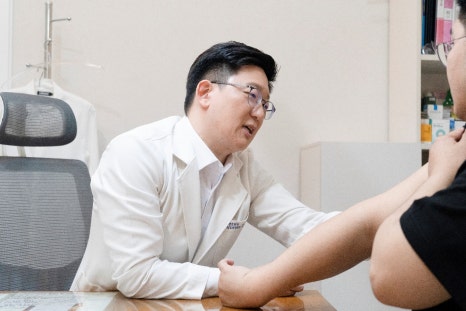
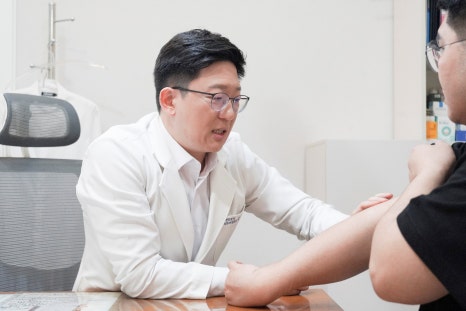
Psoriasis Ointment Treatment Methods
So, how should psoriasis be treated?
Although psoriasis may look like a problem on the surface of the skin, if you look at the underlying cause, it is an autoimmune disease in which the skin’s immune system and the skin cell growth cycle are disrupted.
Therefore, simply removing the symptoms visible on the surface is not enough, and treatment should be approached by regulating the overall system.
The core of psoriasis treatment is local therapy using ointments.
Steroid ointments can help reduce inflammation and itching, and their strength can be adjusted depending on the individual’s symptoms.
However, prolonged use may cause side effects such as thinning skin, pigmentation, or resistance, so treatment should be carried out according to the doctor’s instructions.
Vitamin D derivatives can help control the rate of skin cell growth, which may reduce scaling and inflammation.
At the beginning of use, you may feel as if more scales are appearing, but this can stabilize over time.
Ointment treatment should not be stopped suddenly just because symptoms improve, as symptoms may return and may actually worsen. It is better to adjust it according to the doctor’s instructions and proceed together with lifestyle management.
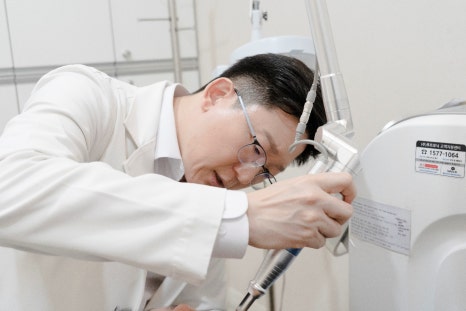
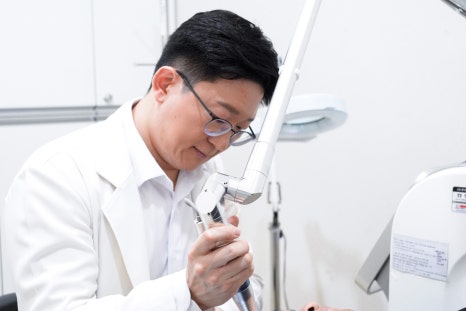
Psoriasis is not just a visible skin problem; it is a condition deeply connected to the balance of the entire body.
Therefore, when planning treatment, it is important to consider long-term management and lifestyle improvement together rather than only short-term symptom relief.
Professional care such as ointment treatment is an important means of helping the skin recover, but maintaining it consistently and following the correct usage method is key.
In addition, when daily management such as stress control, enough sleep, and healthy eating habits is included, the speed of skin recovery and stability can improve even more.
Also, because the form of symptoms and the progression speed of psoriasis differ from person to person, it is very important to establish a personalized management plan that suits you.
In the end, remember that psoriasis management is not short-term treatment, but ongoing care in daily life that maintains healthy skin and minimizes discomfort through steady, systematic approaches.
I hope this article on psoriasis ointment treatment by a dermatologist near Sindorim Station will be helpful for patients with psoriasis.
Thank you for reading to the end.
| This post was written for informational purposes in compliance with Article 56, Paragraphs 1 to 15 of the Medical Service Act. All treatments carry the risk of side effects and complications depending on the individual. Before treatment, be sure to have 충분한 상담 with experienced medical staff and decide after thorough consultation. |