Atopic dermatitis is not just a condition that causes itchy skin; it is a chronic disease that can affect everyday life as a whole.
And when the skin becomes red and hot and symptoms worsen, fluid may ooze out or flakes may come off, and repeated itching can lead to skin damage.
Along with this, it can also bring psychological issues such as lack of sleep, reduced concentration, and stress, which is why early management is important.
Therefore, if symptoms of atopic dermatitis appear, it is advisable not to simply endure them or leave them untreated, but to establish a treatment and management plan that fits your skin condition.
In this article, we will look at the causes and aggravating factors of atopic dermatitis, phototherapy methods, and ways to manage it in daily life.
-Column order for the atopic phototherapy clinic-
-
Causes of atopic dermatitis and aggravating factors
-
Atopic phototherapy methods
-
Atopic lifestyle management methods
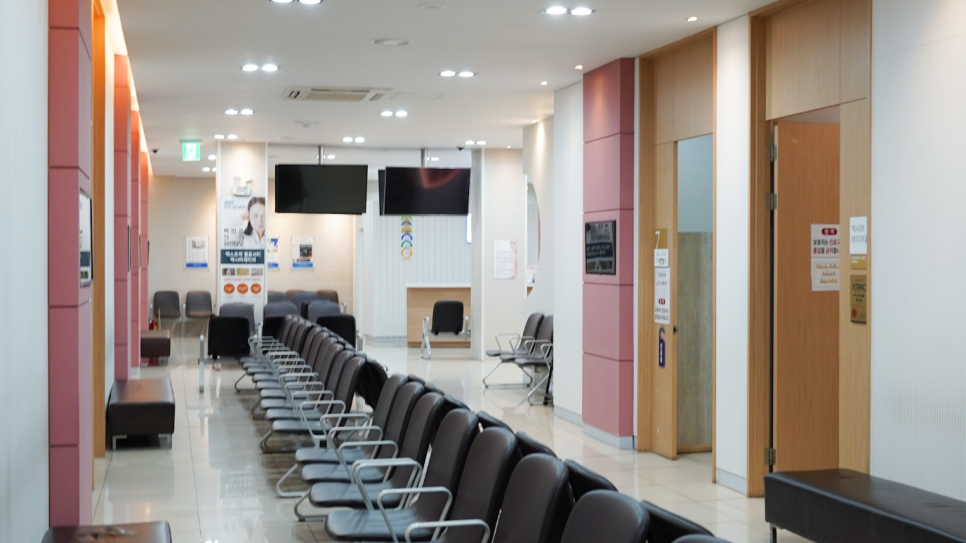
What are the causes and aggravating factors of atopic dermatitis?
Atopic dermatitis is not a disease caused by just one reason; multiple factors work together.
Among these, the biggest cause is genetics.
If both parents have atopic dermatitis, it is said that the likelihood of their children having it reaches as high as 79%.
In addition, if even one parent has an atopic tendency, the probability of inheritance is said to be 50%.
Atopic dermatitis is also said to make the skin more sensitive to external irritation when the skin barrier is weak, making it easy for itching and inflammation to repeat.
For example, wrong habits such as showering too often, using hot water, or scrubbing the skin too hard can weaken the skin barrier and worsen atopic dermatitis.
Lastly, dry indoor air, dust or mites, stress, and lack of sleep can also make symptoms worse.
Therefore, to manage atopic dermatitis, it is important to understand these various causes and adjust your environment and habits so the skin is not irritated.
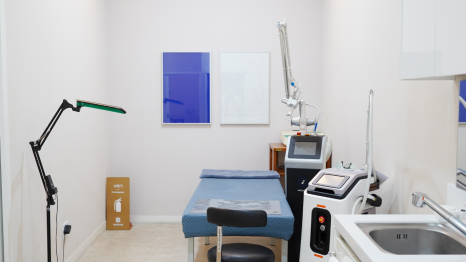

What is the phototherapy method for atopic dermatitis?
As mentioned earlier, atopic dermatitis is a condition with highly complex causes.
So for treatment, it is necessary to identify the cause of atopic dermatitis among the various factors and use the appropriate treatment method.
Phototherapy is one of the methods used to treat atopic dermatitis.
As the name suggests, phototherapy is a method that uses ultraviolet light of a specific wavelength. By applying it to the affected area, it can help regulate immune reactions deep in the skin, calm inflammation, and may relieve rashes and itching caused by atopic dermatitis.
Through this process, it is possible to expect relief from itching and red rashes, and it can reduce the burden of having to use steroid ointments for long periods.
And because it is a treatment with almost no pain, it can be carried out relatively comfortably.
However, it does not end after one or two treatments; a consistent treatment plan for at least 3 to 6 months is needed.
Lastly, if the ultraviolet intensity is not adjusted to match the skin condition and the severity of the lesions, it can actually cause skin damage, so systematic management is essential.



What are the lifestyle management methods for atopic dermatitis?
Atopic dermatitis is one of the chronic skin diseases with a high chance of recurrence.
So, along with phototherapy, daily management is essential.
Because atopic skin is dry and sensitive, it is good to apply moisturizer within 3 minutes after showering and provide enough moisture and a protective barrier 2 to 3 times a day.
It is also helpful to keep indoor humidity at an appropriate level using a humidifier or a wet towel so the environment is not too dry, and to reduce allergens by regularly washing bedding and sofa covers.
Also, it is necessary to identify and limit foods that trigger allergies, and for adult atopic dermatitis, reducing irritating or instant foods is important.
Lastly, psychological stress and lack of sleep can worsen atopic dermatitis, so it is important to relieve stress through enough rest and hobbies and maintain a regular lifestyle.


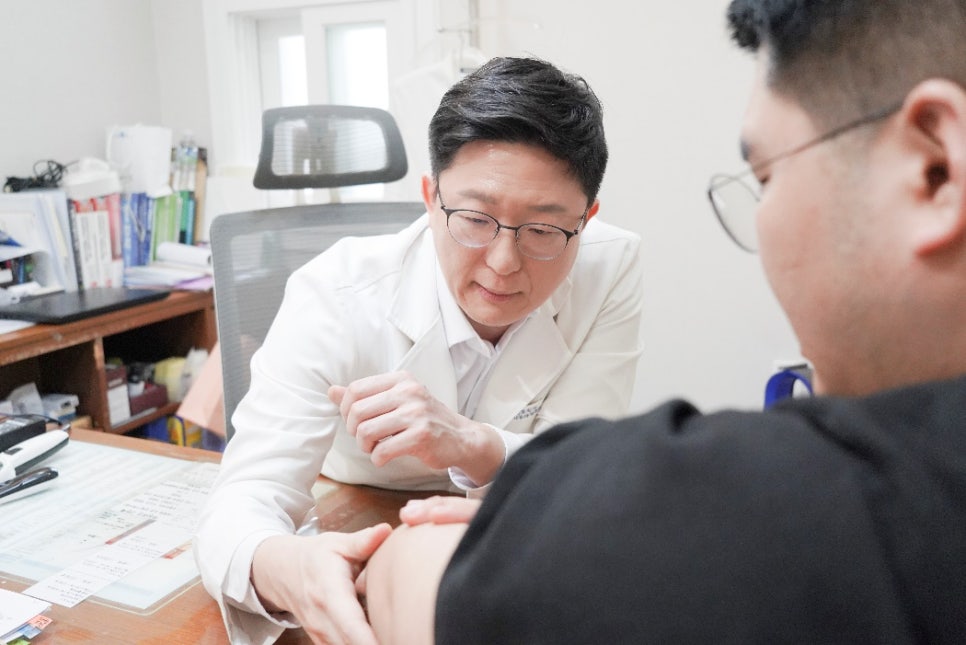
Atopic dermatitis should not be thought of as just simple skin itching; it is a chronic disease that can affect your life and health.
If you have symptoms of atopic dermatitis but do not receive treatment, long-term changes such as skin damage, pigmentation, and thickened skin may appear beyond itching.
However, if the treatment and lifestyle management explained today are carried out together, you can expect sufficient relief of atopic dermatitis symptoms.
In the end, what matters is diagnosing atopic dermatitis early, providing treatment that suits the individual, and managing it consistently.
Through this, you can protect not only skin health but also stability in daily life, reducing the stress and discomfort caused by atopic dermatitis.
Thank you for reading this column from the atopic skin and phototherapy clinic to the end.
| This post was written for informational purposes in compliance with Article 56, Paragraph 1 through Paragraph 15 of the Medical Service Act. All treatments carry a risk of side effects and complications depending on the individual. Before treatment, please be sure to have a thorough consultation with experienced medical staff before making a decision. |