If a small white spot suddenly appears on your skin, most people tend to brush it off lightly, thinking, 'Is my skin just dry these days?'
However, if the border of the spot becomes clearer over time and the size increases, it is worth suspecting vitiligo, one of the skin conditions, rather than dismissing it as something simple.
Vitiligo is a chronic skin condition in which white patches appear as melanocytes, the cells that determine skin color, decrease.
Vitiligo is known to occur due to various causes, including immune system abnormalities, genetic factors, environmental factors, and lifestyle habits.
Although it may look like nothing more than a simple white spot on the surface, it can lead to psychological discomfort and social stress, so early diagnosis and treatment are important.
- Mullae-dong Dermatology Vitiligo Column Outline -
-
Early symptoms of vitiligo
-
Causes of vitiligo
-
Vitiligo treatment methods and lifestyle management


What are the early symptoms of vitiligo?
Vitiligo first appears as very small white spots.
Over time, they gradually grow larger and may spread to frequently exposed areas such as the face, neck, and hands.
Usually, there is little to no pain or itching in the early stages, but the visible appearance can cause stress.
In particular, if the condition progresses, the spots may appear symmetrically on both sides or continue to grow larger.
In such cases, it is advisable to visit a hospital as soon as possible to receive a diagnosis before new spots develop due to wounds or repeated friction.



Why does vitiligo occur?
Vitiligo is known to occur not for just one reason, but through the combined effect of various causes.
In some cases, the immune system mistakes normal cells in the body for outside invaders and attacks them, which reduces skin pigment and causes white spots.
Also, prolonged exposure to strong sunlight or persistent dryness of the skin can damage melanocytes.
Therefore, it is necessary to adopt habits that protect the skin and reduce irritation.
In other words, it is easy to understand vitiligo as a condition that develops through the interplay of immune system abnormalities, external environment, and lifestyle habits.

Vitiligo treatment and management methods
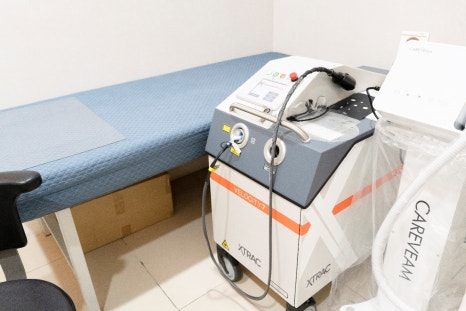
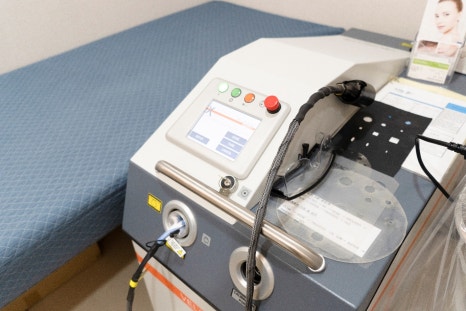
Excimer laser is widely used in vitiligo treatment.
Treatment is carried out by irradiating the affected area with 308 nm ultraviolet light to activate melanocytes and regulate the immune response.
Since the excimer laser is applied only to the affected area, it has the advantage of helping reduce the impact on the surrounding normal skin.
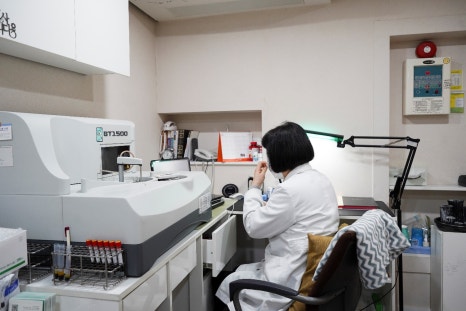
Before excimer laser treatment, it is important to fully check each patient's skin condition.
If treatment is performed without accurately assessing the skin condition, damage may occur instead.
In the case of vitiligo, it is not a condition that is completely cured in the short term, so consistent repeated treatment is needed to expect results.
In addition, symptom improvement may be supported when lifestyle management is carried out alongside treatment.
In daily life, it is necessary to minimize sun exposure, apply sunscreen carefully, and make an effort to reduce irritation to the skin.
By combining treatment with lifestyle management in this way, you may expect not only improvement in white spots but also greater psychological stability and an improved quality of daily life.
Vitiligo is a chronic skin condition that can gradually spread if symptoms are left untreated and may also lead to psychological discomfort.
Since it does not heal naturally with time, it is important to remember that early diagnosis, systematic treatment, and proper lifestyle habits must all come together.
I hope the information shared today about the early symptoms of vitiligo, its causes, and excimer laser treatment was helpful to you.
If you have any questions beyond the information provided today, please ask through the window below.
Thank you.
| This post was written for informational purposes in compliance with Article 56, Paragraphs 1 to 15 of the Medical Service Act. All treatments carry a risk of side effects and complications depending on the individual. Before treatment, please be sure to have a thorough consultation with experienced medical staff before making a decision. |