When thick scales suddenly build up on the skin and red rashes appear, anyone would feel startled.
You may end up wondering, “Why has my skin suddenly changed like this? Is it because my skin has become dry? Or could it be another skin condition?”
In fact, these symptoms are not something you can simply dismiss as a minor skin issue.
That is because sudden scaling, red rashes, and skin dryness may be signs of psoriasis.
Psoriasis is a chronic inflammatory disease related to the immune system in the body.
On the outside, scales and red rashes are visible, but inside the skin, immune cells attack even normal cells, causing the skin regeneration cycle to speed up far more than usual.
If left untreated, the symptoms can gradually worsen and may become a burden in daily life and appearance.
That is why early management and treatment are very important.
Today, I will explain why psoriasis develops, its characteristics, treatment methods, and how to care for the skin after treatment.
-Today's column outline-
- Reasons psoriasis develops and its characteristics
- Psoriasis laser treatment method
- How to care for psoriasis after treatment
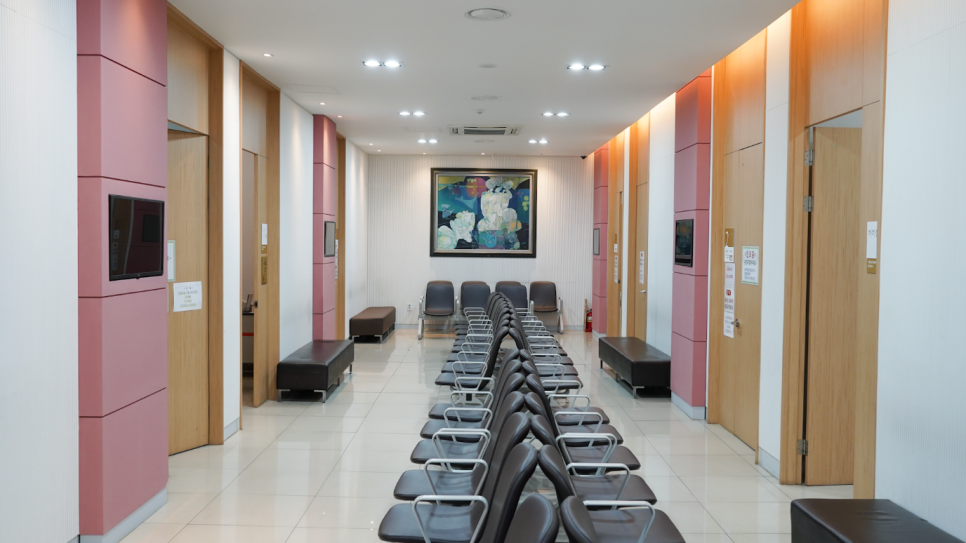
Reasons psoriasis develops and its characteristics
Psoriasis is not just a simple skin problem; it is deeply connected to an imbalance in the body's immune system.
As immune cells overreact, they attack even normal skin cells, and as the skin regeneration cycle speeds up, thick scales and red rashes appear.
Psoriasis commonly develops on areas where bones protrude, such as the elbows, knees, and scalp, and in severe cases it may be accompanied by itching or pain.
If symptoms are left untreated, they can lead to other health problems such as arthritis, so it is important to make an accurate diagnosis and treatment plan early.
Because psoriasis symptoms vary slightly from person to person, it is difficult to make an exact judgment based only on how it looks on the surface.
So rather than worrying alone, it is better to visit a clinic, receive a diagnosis of your current condition, and establish a treatment plan that suits you.
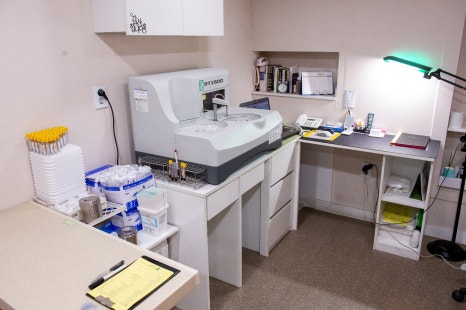
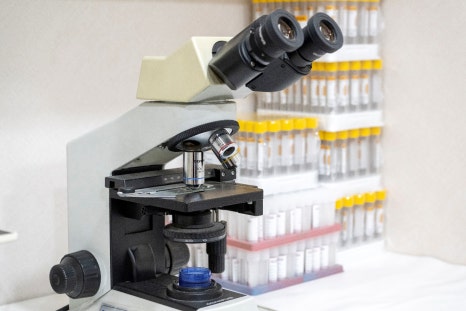
Psoriasis laser treatment method
So how should psoriasis treatment proceed?
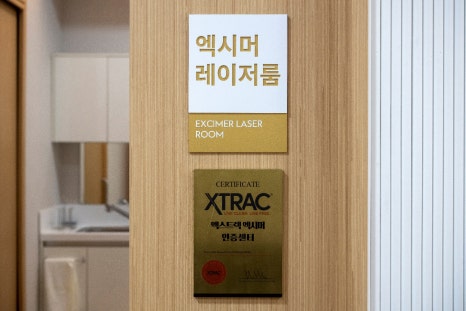
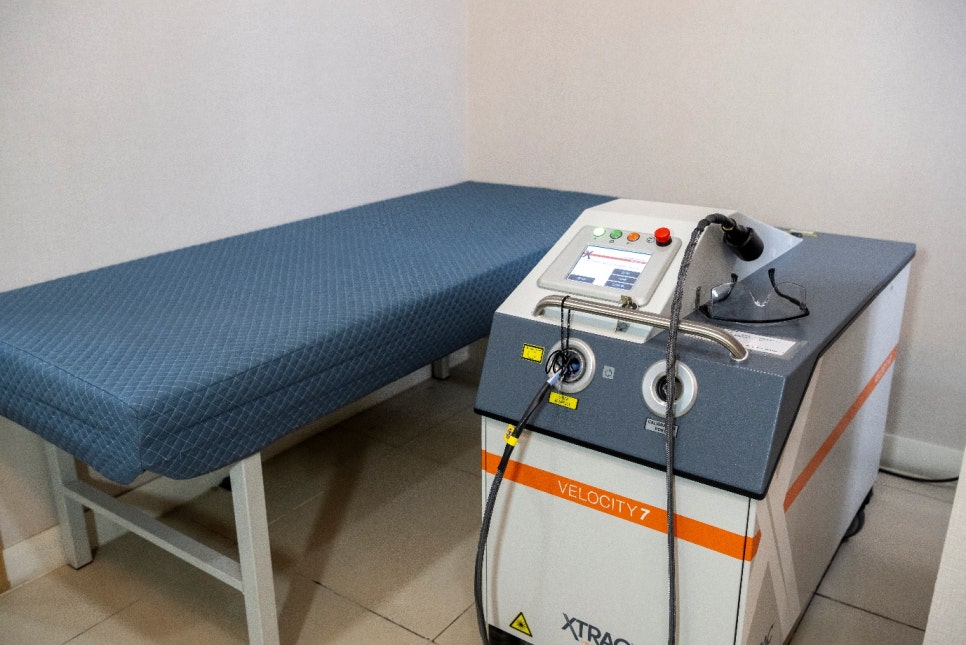
There are several treatment methods for psoriasis, and among them, excimer laser treatment is a method that can target the lesion areas on the skin more directly.
By directing light of a specific wavelength only to the affected area, it helps control inflammation and immune responses within the skin and normalize the skin cell regeneration cycle.
Because only the necessary area is treated in a focused way, it has the advantage of minimizing effects on the surrounding healthy skin.
In addition, since this treatment does not use medication, even people who are sensitive to steroids can receive treatment without 부담, and regular treatment may help symptoms gradually improve.
During treatment, the laser intensity and number of sessions are adjusted according to the skin condition and the size of the lesions.
Therefore, to ensure safe treatment, it is important to proceed while carefully checking these factors.

How to care for psoriasis after treatment
As mentioned earlier, psoriasis is a chronic disease, so consistent care after treatment is important.
Right after treatment, the skin is in a sensitive state, so you should avoid irritating cosmetics or scrubs and protect the skin barrier with sufficient moisturizing.
Maintaining healthy lifestyle habits is also important.
Enough sleep, a balanced diet, stress management, and quitting smoking and drinking can help restore skin immunity.
It is also a good idea to pay attention to UV protection to prevent skin pigmentation and inflammation.
To prevent recurrence, it is advisable to check your condition through regular skin examinations and receive additional treatment if necessary.


Psoriasis is not a disease that ends once it has been treated, so ongoing care is needed even after treatment is finished.
It is important to check your skin condition regularly and make a habit of monitoring whether it recurs.
Also, rather than trying to get rid of symptoms quickly, it is better to focus on gradually restoring skin condition and reducing the possibility of recurrence.
If you combine treatment with lifestyle improvements and skin moisturizing care, you may be able to increase the expected benefits.
If you are struggling with psoriasis, rather than trying to solve it on your own, please visit a dermatology clinic and plan a treatment that suits you.
If you have any questions other than the laser treatment method or care methods introduced today, please leave them in the comment box below and ask the dermatology clinic.
Thank you for reading to the end.
| This post was written for informational purposes in compliance with Article 56, Paragraph 1 to 15 of the Medical Service Act. All treatments carry a risk of side effects and complications depending on the individual. Before treatment, be sure to have a thorough consultation with experienced medical staff before making a decision. |