If a small white spot suddenly appears on the skin, many people tend to brush it off lightly, thinking, ‘Is it just because my skin is dry?’
However, if the border of the spot gradually becomes clearer and the size increases over time, it is better not to dismiss it as a simple skin issue and to consider vitiligo, one of the skin conditions.
Vitiligo is a chronic skin condition in which white patches appear on the skin as melanocytes, which determine skin color, decrease. It is influenced by a combination of immune system abnormalities, genetic factors, environmental factors, and lifestyle habits.
Although it may seem like a simple issue on the surface, if the symptoms progress, they can lead to a loss of confidence and social stress, so early diagnosis and treatment are important.
-Column outline for the Yeongdeungpo vitiligo clinic-
-
Early symptoms of vitiligo
-
Causes of vitiligo
-
Vitiligo treatment methods and lifestyle management


Vitiligo, early symptoms
Vitiligo starts as a very small white spot at first.
It usually appears on areas frequently exposed to sunlight, such as the face, neck, hands, and back, and over time it can gradually grow larger and spread to the surrounding skin.
In the early stages, there are almost no uncomfortable symptoms such as pain or itching, but as the condition progresses, the noticeable change in the skin surface can easily lead to stress.
As the symptoms progress, the white patches may appear symmetrically on both sides, or they may gradually increase in size, and the difference in skin tone can become more pronounced, causing discomfort in daily life.
In addition, new patches may appear due to wounds or repeated friction, so it is best to visit a hospital as soon as possible and receive a diagnosis.


Causes of vitiligo
Vitiligo is known to occur due to multiple causes rather than just one.
First, it is related to an abnormality in the immune system.
The immune system mistakes its own melanocytes for outside invaders and attacks them, reducing skin pigment and causing white patches to appear on the skin.
Second, there is melanocyte damage.
Melanocytes can be damaged when exposed to strong sunlight for long periods or when the skin remains dry for extended periods.
At that point, because the damaged cells are difficult to regenerate, the patches gradually become larger.
Third, genetic factors and lifestyle habits also play an important role.
It is known that if there is a family member with vitiligo, or if stress, irregular lifestyle habits, and nutritional imbalance act together, the likelihood of developing vitiligo increases.
In other words, vitiligo is a condition that occurs through the interaction of immune system abnormalities, external environment, and lifestyle habits.
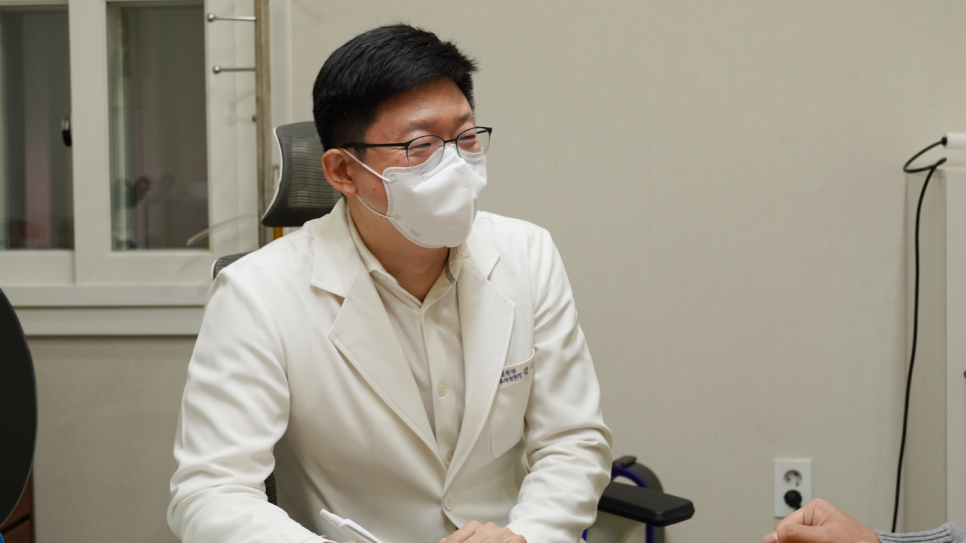


Vitiligo treatment methods and lifestyle management
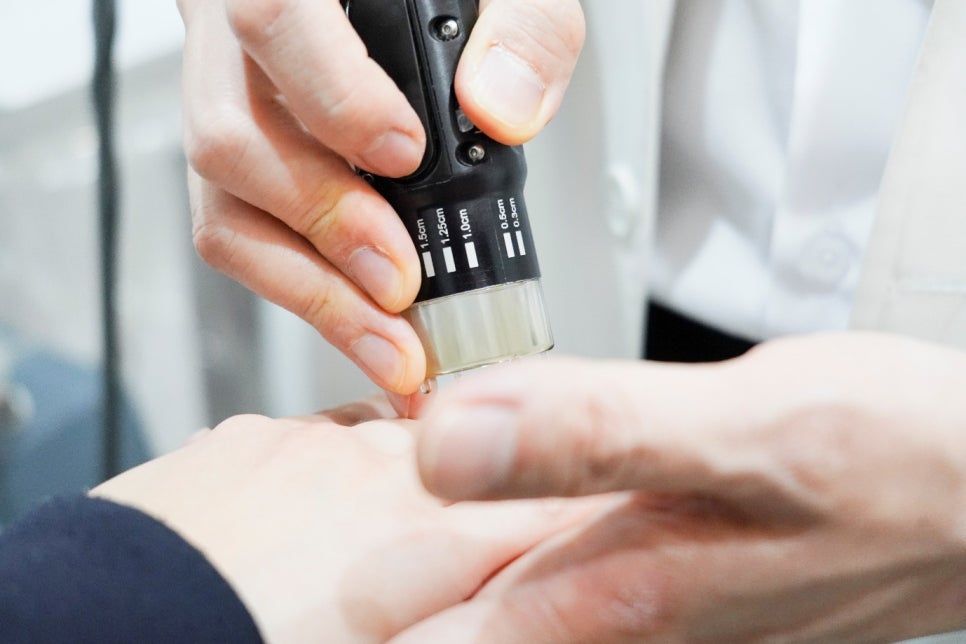
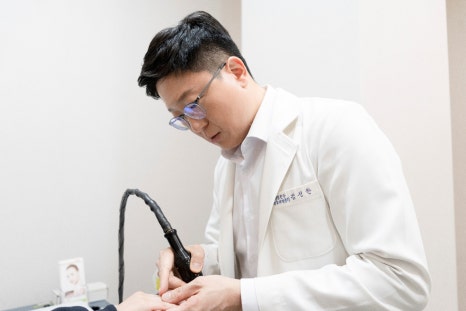
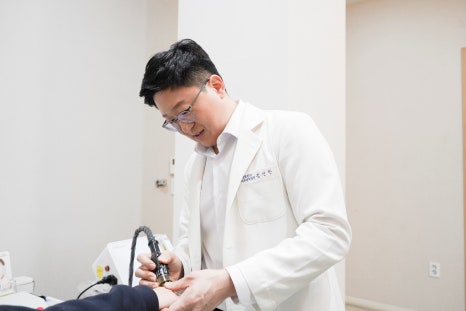
There are several treatment methods for vitiligo, but among them, excimer laser treatment is the most commonly used.
Excimer laser treatment works by irradiating the affected area with 308nm ultraviolet light to stimulate melanocytes and regulate immune responses.
Because only the affected area is treated, the surrounding normal skin is minimally affected, allowing treatment to be received safely.
However, excimer laser treatment is not a method that cures the condition in a short period of time, so consistent repeated treatment is necessary.
After treatment, the skin becomes more sensitive to external stimuli, so sunscreen should be applied carefully and exposure to sunlight should be minimized.
Also, the number of treatment sessions and the interval between them vary depending on the patient’s skin condition, so it is important to visit the hospital regularly to check the progress and adjust the treatment plan.
Lifestyle management is also essential.
If you avoid irritating the skin, maintain sufficient moisturizing, and combine this with proper lifestyle habits, you can improve the effectiveness of treatment and may expect not only improvement in white patches but also psychological stability and a better quality of daily life.
Vitiligo is a chronic skin condition that, if left untreated in the early stages, can cause the affected area to gradually expand and lead to psychological discomfort.
Therefore, early diagnosis, systematic treatment, and proper lifestyle management should all be carried out together, and it should not be forgotten that if you notice a small, noticeable spot appearing suddenly on your body, consultation with a specialist may be necessary.
We hope the information shared today about vitiligo symptoms, causes, and excimer treatment was helpful to you.
If you have any additional questions beyond what was covered today, please leave them in the comment box below.
Thank you.
| This post was written for informational purposes in compliance with Article 56, Paragraphs 1 to 15 of the Medical Service Act. All treatments carry the risk of side effects and complications depending on the individual. Before treatment, please be sure to have a thorough consultation with experienced medical staff before making a decision. |