The skin is not simply a factor that determines appearance; it is an important signal that tells us about the condition of our body and mind.
When the skin is smooth and healthy, confidence naturally grows, and the feeling of getting through the day also becomes much better.
Conversely, when the skin becomes rough, dry, or flaky, it can react sensitively even to small irritations, and it can even affect your mood.
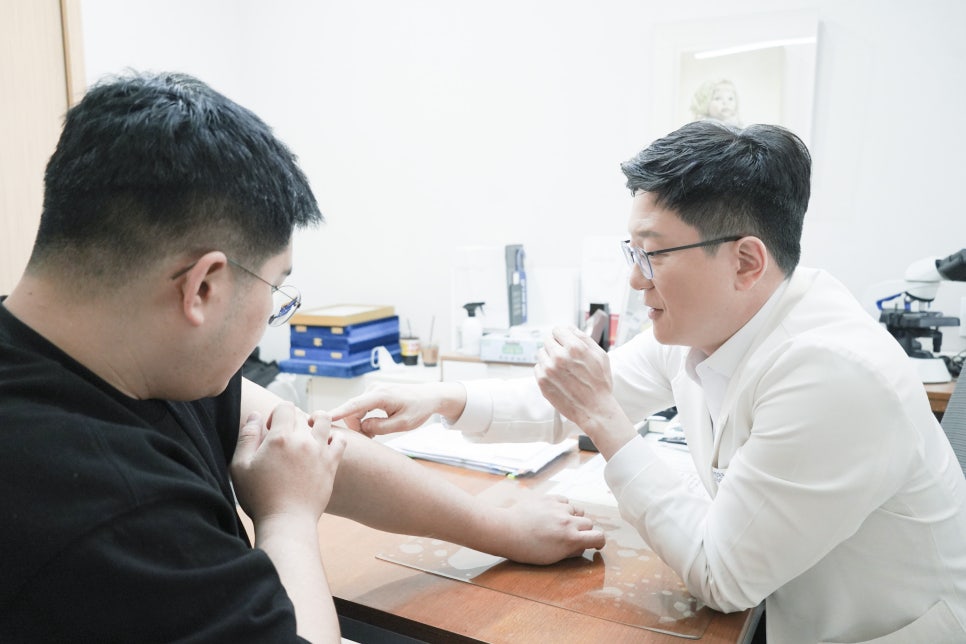
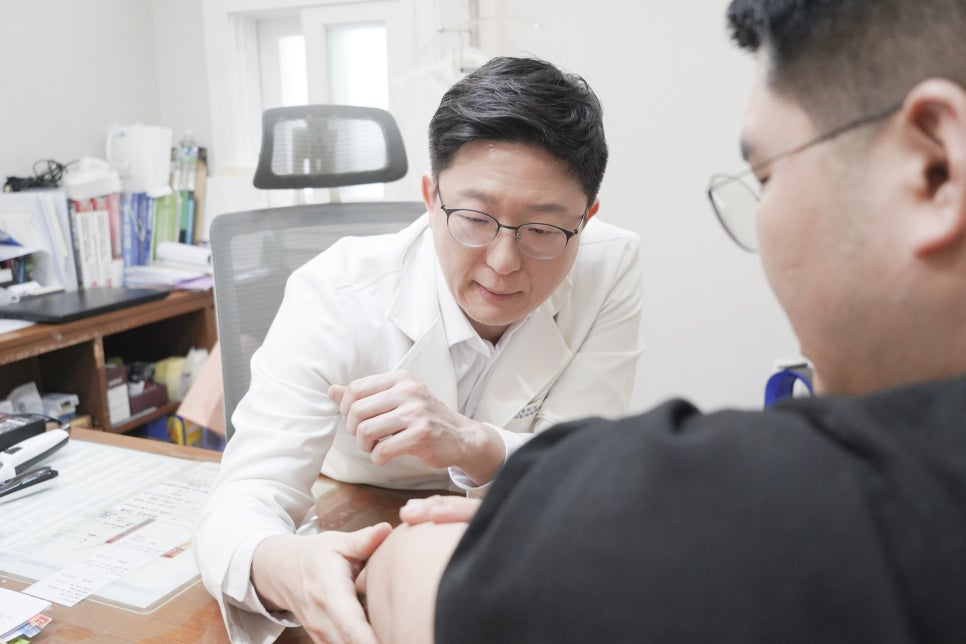
In particular, the psoriasis discussed today is often left untreated because, on the surface, it can look like simple dry skin or flaking, so many people think, “It just seems like my skin is a little dry.”
However, psoriasis is a chronic inflammatory disease caused by abnormalities in the body’s immune system, so it is not just a simple skin problem but is closely related to our immunity.
Because the immune system attacks normal cells, the skin cells regenerate faster, and as a result, thick and noticeable flakes and rashes appear on the skin.
Psoriasis is not only an appearance issue; if severe, it can also be accompanied by joint pain, systemic health problems, and psychological stress.
That is why it is most important to detect symptoms early and manage them properly.
Prescription ointment treatment at a hospital can greatly help relieve psoriasis symptoms and normalize the skin condition.
So today, focusing on psoriasis ointment treatment, I will explain in detail step by step the ingredients in the ointment, how to use it, precautions, and daily management methods.
-Today’s column outline-
-
Causes of psoriasis and how to prevent worsening
-
Problems that occur if psoriasis is left untreated
-
Psoriasis ointment ingredients and proper use
Previous image
Next image
Causes of psoriasis and how to prevent worsening
Psoriasis is an autoimmune disease that occurs when the immune system mistakes normal skin cells for an enemy.
Ordinary skin cells are newly produced and shed every 28 days or so, but in people with psoriasis, the cell production cycle becomes 5 to 7 times faster, causing a thick layer of flakes to build up on the skin.
A major factor that worsens this condition is stress.
When mental stress becomes severe, inflammatory substances in the body increase, and lesions can spread and worsen.
Therefore, it is important to manage stress in ways you enjoy, such as yoga, walking, reading, or hobbies.
In addition, lack of sleep or overwork can affect the immune system and worsen psoriasis.
It is necessary to get enough sleep on a regular basis and practice daily habits such as wearing a mask and staying hydrated.

Problems that occur if psoriasis is left untreated
As explained above, if psoriasis is thought of as a simple flaking problem and left untreated, various health problems can arise.
The most common complication is psoriatic arthritis.
Some people may wonder, “Does psoriasis cause arthritis?”
In fact, joints such as the fingers, knees, and elbows can become swollen and stiff, making it difficult to move every morning.
It is known that psoriatic arthritis appears in about 30% of psoriasis patients.
If psoriasis is left untreated, it can also affect overall health.
It may be associated with cardiovascular disease or diabetes, and it can also cause psychological problems such as emotional withdrawal due to appearance and anxiety caused by other people’s reactions.
Therefore, if repeated flaking or red rashes are found on the skin, do not leave them untreated; please visit a hospital as soon as possible and receive appropriate treatment.

Psoriasis ointment ingredients and proper use
The key to psoriasis treatment is ointments that contain steroids and vitamin D derivatives.
Steroid ointments can quickly soothe inflammation in the skin and help control the excessive immune response, which may relieve red rashes and itching.
However, if used excessively for a long period, side effects such as skin atrophy and blood vessel dilation may occur, so they must be used according to the instructions of medical staff.
Vitamin D derivatives regulate the abnormal regeneration speed of skin cells and stabilize immune responses, and when used together with steroids, a recurrence-prevention effect can be expected.
If flaking or slight redness appears when first using it, this is a natural reaction during the adjustment period, so there is no need to worry too much.
When using ointment, you must follow exactly the amount applied each time, the number of times per day, and the duration of use as instructed by the hospital.
If your skin condition changes during use, symptoms worsen, or side effects appear, do not forget that it is safest to consult a specialist immediately.
In addition, small daily habits such as applying moisturizer right after showering, avoiding irritating environments, and maintaining appropriate indoor temperature and humidity can greatly help enhance the expected effect of the ointment.

Psoriasis is a complex disease that goes beyond a simple skin problem and is connected to immune abnormalities, lifestyle habits, and mental health.
Ointment treatment is an important way to relieve symptoms and prevent recurrence, but it is difficult to achieve sufficient results by using it on your own.
Therefore, it is necessary to accurately follow the usage instructions provided by the hospital, manage stress in daily life, and maintain enough sleep and regular lifestyle habits.
If you have any questions beyond the content above, please ask through the comment box below.
We will kindly answer them.
Thank you.
| This post was written for informational purposes in compliance with Article 56, Paragraphs 1 to 15 of the Medical Service Act. All treatments carry a risk of side effects and complications depending on the individual. Before treatment, be sure to make a sufficient consultation with experienced medical staff before making a decision. |