Atopic dermatitis is not just a simple skin problem, but a chronic condition that can affect many aspects of daily life.
Many people tend to misunderstand atopic dermatitis as just an “itchy skin disease,” but in reality it is a complex condition that can cause hypersensitivity to external stimuli and repeated inflammation due to impaired skin barrier function.
In particular, atopic dermatitis often begins in childhood, but symptoms can recur or worsen even in adulthood.
Itching and redness on the skin are only the visible symptoms; in reality, it can also affect everyday life, such as sleep deprivation, stress, reduced confidence, and decreased concentration in study or work.
Today, from a Singil-dong atopic dermatitis clinic, we would like to share the causes of atopic dermatitis, ways to prevent worsening, and important things you need to know about phototherapy.
- Causes of atopic dermatitis
- Ways to prevent worsening of atopic dermatitis
- Understanding phototherapy for atopic dermatitis and precautions

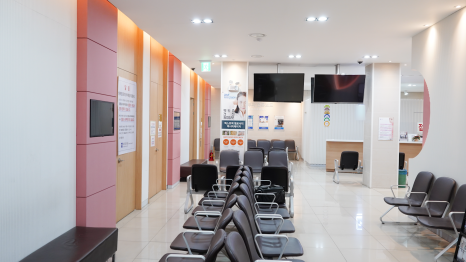
Causes of Atopic Dermatitis
Atopic dermatitis is not caused by a single factor, but is a condition that appears due to multiple complex factors.
First, genetic factors have the greatest influence. If one parent has symptoms of atopic dermatitis, the child’s likelihood of developing it is about 50%, and if both parents have experienced it, the likelihood can rise to over 70%.
The next important factor is impaired skin barrier function.
Healthy skin protects against the penetration of harmful external substances and minimizes moisture loss.
However, in patients with atopic dermatitis, the skin barrier is weak, so the skin reacts easily even to external stimuli, and as moisture evaporates quickly, the skin becomes dry and inflammation can recur.
In addition, lifestyle habits and environmental factors also affect the onset and worsening of atopic dermatitis.
Showering too often or taking showers with hot water can damage the skin barrier and trigger atopic dermatitis.
Dry indoor environments, fine dust, and sudden temperature changes are also representative environmental factors that worsen atopic dermatitis.
In summary, atopic dermatitis is a condition shaped by the interplay of genetics, the skin barrier, lifestyle habits, and the environment, and understanding these causes is very helpful for treatment and management.

Ways to Prevent Worsening of Atopic Dermatitis
Once atopic dermatitis develops, symptoms can worsen over time if left untreated.
Therefore, systematic management from the early stage is necessary, and the key to treatment is restoring the skin barrier and minimizing unnecessary irritation.
First, moisturizing care is important.
It goes beyond simply applying moisturizer to the skin and serves to create a protective layer over tired skin.
If you have atopic dermatitis, it is recommended to apply a moisturizer suitable for your skin condition at least 2 to 3 times a day.
Next, managing the indoor environment is necessary.
To reduce house dust, mites, and mold that can worsen atopic dermatitis, it is recommended to wash bedding and covers regularly and maintain appropriate humidity using a humidifier or wet towels.
In addition, managing food and lifestyle habits is essential.
For young children, certain foods such as milk, eggs, and wheat flour may worsen atopic dermatitis, so it is advisable to identify the cause through allergy testing.
For adult atopic dermatitis as well, irritating foods, instant foods, and alcohol can be aggravating factors, so it is necessary to maintain healthy eating habits consistently.
Stress and sleep management are also important.
Patients with atopic dermatitis may experience poorer sleep quality because of itching, and this can increase stress and worsen the condition.
Therefore, regular routines, sufficient rest, and stress management should be carried out together.
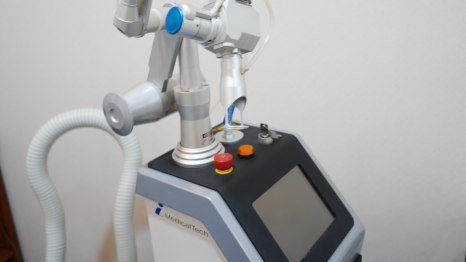
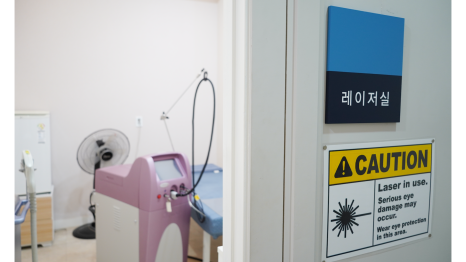
Atopic Dermatitis Treatment: Phototherapy
Atopic dermatitis cannot be fundamentally resolved by treating only the surface of the skin.
During treatment, if symptoms are severe or if using steroid ointment feels burdensome, phototherapy can be a good alternative.
Phototherapy is a treatment method that uses ultraviolet light of specific wavelengths to the skin to calm inflammation and regulate immune responses.
Through this treatment, itching, rash, and dryness may be relieved, and it can also help restore the balance of skin immunity.
In addition, phototherapy is a non-invasive treatment, so even patients sensitive to pain can receive it relatively comfortably.
However, controlling the intensity and frequency of phototherapy is very important.
If the treatment intensity is not adjusted properly, side effects such as erythema, burns, pigmentation, and premature aging may occur, so it may be advisable to proceed only under the prescription and monitoring of medical staff.
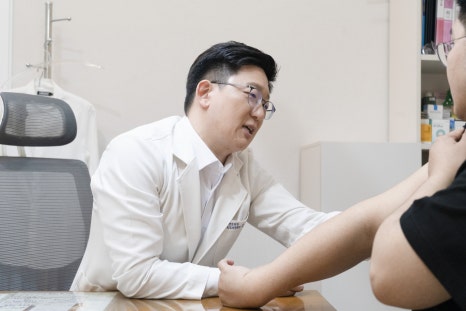
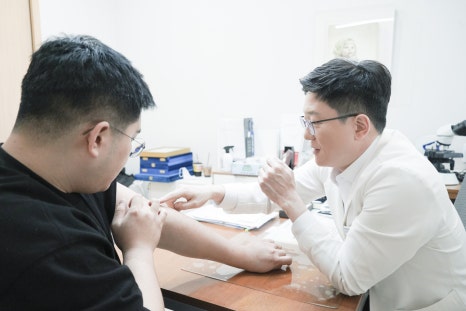
Atopic dermatitis is a condition that cannot be assessed by itching alone.
It can affect not only skin health but also sleep, stress, confidence, and daily life overall, so it should not be forgotten that systematic management and treatment are essential.
Phototherapy is a treatment method that can help relieve symptoms of atopic dermatitis and restore skin health over the long term, but checking the skin condition before treatment, moisturizing, environmental management, and improving lifestyle habits must come first.
In addition, the most important thing is to proceed safely with regular medical visits and a customized treatment plan.
I hope today’s column is helpful for those who are struggling with atopic dermatitis, and I hope you can regain healthy skin and a comfortable daily life through systematic care and a treatment plan.
Thank you for reading this long post.
| This post was written for informational purposes in compliance with Article 56, Paragraph 1 through Paragraph 15 of the Medical Service Act. All treatments carry a risk of side effects and complications depending on the individual. Before treatment, please make sure to have a thorough consultation with experienced medical staff before making a decision. |