Atopic dermatitis is a chronic skin condition characterized by recurring itchiness, dry skin, and rashes.
Because it is such a familiar condition, it is easy to think of it as a simple skin problem. But did you know that atopic dermatitis can also cause lack of sleep, reduced concentration, and psychological stress, and may affect daily life as well?
In fact, many patients may find it difficult to fully control symptoms with moisturizing alone or medication, so they consider various treatment methods together.
One of those treatment methods is phototherapy.
As the name suggests, it is a treatment that uses light, and it may feel somewhat unfamiliar, but it is known as a treatment that can help relieve atopic dermatitis symptoms.
In today’s column, we will share information about phototherapy for patients with atopic dermatitis.
-Phototherapy Clinic Column Order-
-
Preparations before phototherapy
-
Things to watch out for during phototherapy
-
How to care for yourself after phototherapy


What should you prepare before phototherapy?
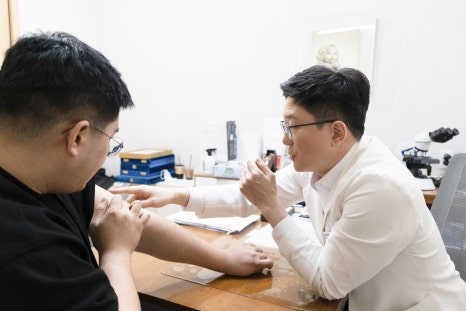
Before starting phototherapy, one of the treatment options for atopic dermatitis, it is important to carefully check your skin condition and the characteristics of your atopic dermatitis symptoms.
Checking in advance what environments, foods, or lifestyle habits make the condition worse can be helpful for treatment.
It is also necessary to confirm whether phototherapy can be applied safely.
If your skin is sensitive to light or you have certain conditions, the treatment method or intensity may be limited, so it is best to establish a treatment plan through sufficient consultation before treatment.

What should you be careful about during phototherapy?
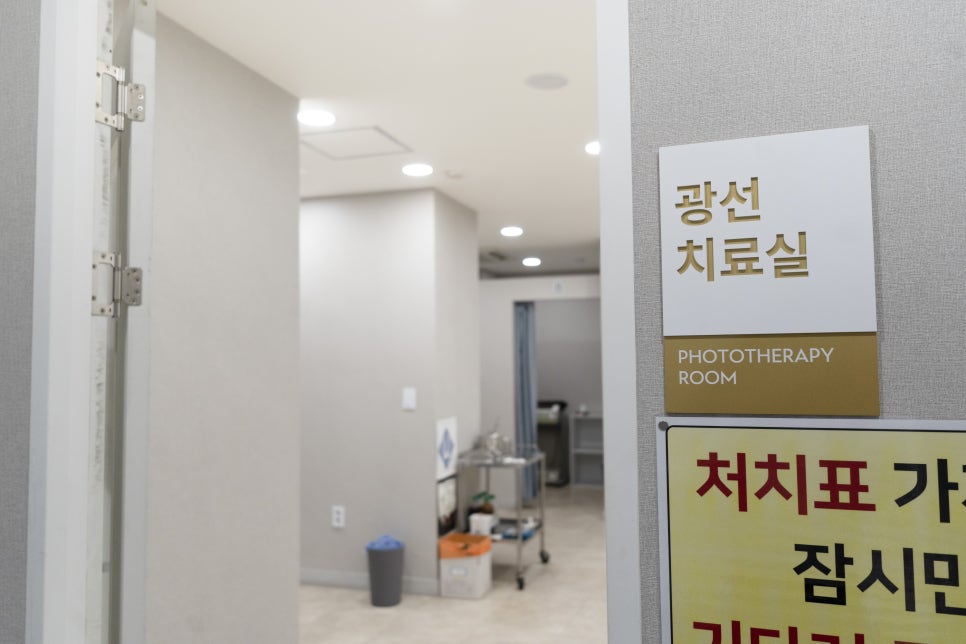
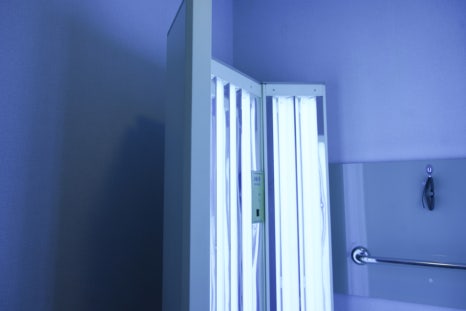
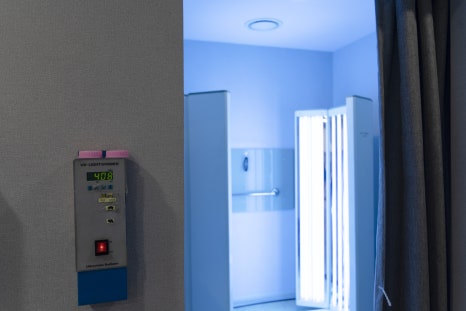
Phototherapy is carried out by shining light of a specific wavelength onto the skin to calm inflammation and help restore immune balance.
To improve treatment effectiveness, the key is to adjust the intensity and duration step by step.
For that reason, one treatment session alone may not produce the expected effect, so steady treatment for at least 3 to 6 months is needed.
Also, with phototherapy, treatment usually starts at a low intensity, and the treatment interval and intensity must be adjusted according to the skin condition.
If too much ultraviolet light is applied, it may instead cause skin damage, so the intensity of light exposure must be carefully adjusted according to the patient’s skin condition and the severity of the lesions.
How should you care for yourself after phototherapy?
Right after phototherapy for atopic dermatitis, the skin can easily become dry and sensitive, so it is necessary to strengthen the skin barrier by using enough moisturizer, using gentle cleansers, and wearing soft fabrics.
These post-treatment habits are also very helpful in preventing atopic dermatitis from recurring.
Also, when symptoms worsen and itching becomes severe, do not scratch; instead, it is better to use a cold compress or apply the ointment prescribed by the hospital.
The important point here is that you should not keep using a cold compress continuously, and you should apply it for about 5 to 10 minutes.
Along with this, managing the overall living environment—such as keeping indoor spaces clean, controlling dust and mites, maintaining proper indoor humidity and temperature, and managing stress—can help reduce atopic dermatitis symptoms over the long term.

Today, we explained atopic dermatitis, a condition that is familiar yet unfamiliar.
As mentioned earlier, atopic dermatitis is a chronic disease that affects not only the skin but also overall quality of life.
With consistent symptom management through phototherapy, it can help restore skin health, and careful management is needed at each stage, including preparation before treatment, precautions during treatment, and care after treatment.
Above all, it is important to understand your own skin condition and adjust your lifestyle habits along with treatment.
Small changes in habits and steady management can determine the long-term effectiveness of treatment and can be key to maintaining healthy skin.
Through this atopic dermatitis column, I hope those considering treatment were able to get helpful overall information about what to know before treatment, during treatment, and after-treatment care.
If you have any questions in addition to what was shared here, please ask through the comment box below.
Thank you.
| This post was written for informational purposes in compliance with Article 56, Paragraphs 1–15 of the Medical Service Act. All treatments carry the risk of side effects and complications depending on the individual. Before treatment, be sure to make a sufficient consultation with a medical professional with extensive experience before making a decision. |