Vitiligo is a condition in which melanin, the pigment that gives skin its color, is lost, causing white patches to appear. It is sometimes thought of as nothing more than a simple change in skin color.
However, in reality, it is one of the skin conditions that requires early detection and management.
If the symptoms are left untreated, they can gradually spread to larger areas and affect quality of life.
In the early stages of vitiligo, the symptoms appear subtly, making it difficult for patients to notice on their own, and many people mistake them for a simple skin change.
However, if the cause is identified early and appropriate treatment is started, the chances of pigment recovery are higher, and worsening of the symptoms can be prevented.
In today’s column, we will share information that may be helpful for patients, including the early symptoms and characteristics of vitiligo, the causes of its symptoms and worsening, and treatment methods.
-Mokgyeo Station Dermatology column order-
-
Early symptoms and characteristics of vitiligo
-
Vitiligo treatment methods
-
Daily care and prevention methods for vitiligo

Vitiligo symptoms and characteristics
Vitiligo is a condition that appears as skin pigment gradually disappears. In the early stage, small white patches appear, and the boundary with the surrounding skin is clearly defined.
It often starts on exposed areas such as the hands, feet, face, and neck, and in some cases it appears so subtly that patients do not easily notice it themselves.
So in the early stage, there are almost no uncomfortable symptoms such as pain or itching, but the patches may stand out more when exposed to sunlight.
Because of these characteristics, it is important not to overlook even small changes and observe them carefully. Early detection has a major impact on future treatment effectiveness and the prevention of lesion spread.
Vitiligo is not a condition caused by a single factor; it develops through a combination of genetic factors and immune system abnormalities.
In addition, symptoms can worsen due to various environmental factors such as stress, skin trauma, and certain medications, so when early patches are found, it is necessary to quickly identify the cause and establish a management plan.

Vitiligo treatment methods
Vitiligo treatment varies depending on the patient’s skin condition, the extent of the lesions, and their location, and early treatment is the key to improving expected results.
The purpose of treatment is pigment recovery and prevention of lesion spread, and it can be carried out through several methods.
The first treatment method is laser therapy.
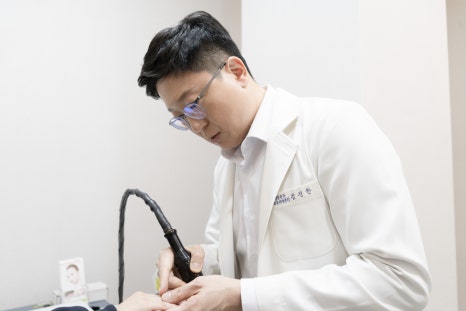
Laser therapy uses an excimer laser with a specific wavelength to stimulate immune cells deep in the skin and control inflammation, helping pigment regeneration.
The second treatment method is medication.
Medication uses immunomodulators or vitamin D derivatives to slow the progression of lesions and stabilize the skin condition.
Among these treatments, it may be appropriate to determine the treatment method that suits each individual patient and proceed accordingly.
In addition, treatment does not end in the short term and must be continued regularly at set intervals. If skin changes appear during the treatment process, it is better to adjust the plan and proceed.
In other words, rather than applying treatment uniformly, long-term results can be expected when individualized treatment matched to the skin condition is combined with careful management.

Daily care and prevention methods for vitiligo
As mentioned earlier, vitiligo shows better results when treatment is combined with daily care.
Avoid harsh cleansers or scrubs as much as possible, and make sure to moisturize the skin sufficiently to strengthen the skin barrier.
Also, because skin can be damaged quickly when exposed to sunlight, sunscreen should be applied carefully.
In addition to skin care, stress management and observation of skin condition are also necessary.
Psychological stress can affect immune function in the body and skin health, and if new patches or changes appear on the skin, it is important to visit the hospital and receive treatment.
In this way, small habits in daily life and regular management can help improve the effectiveness of vitiligo treatment and prevent lesion spread.

Vitiligo is not a simple skin change, but a chronic skin condition in which early detection and consistent management are important.
Therefore, it is best to carefully monitor early symptoms and visit a hospital immediately if symptoms such as new patches or spreading appear on the skin.
As such, the key to treatment is careful observation.
Even small changes should not be overlooked, and the habit of managing them carefully determines the long-term effectiveness of treatment and becomes the basis for maintaining healthy, even skin.
If you are concerned about vitiligo, rather than worrying alone, it is better to consult a specialist and find a treatment direction suited to your skin condition.
We hope the information about vitiligo shared today was helpful to you.
If you have any additional questions beyond what was shared today, please leave them in the comments below.
Thank you.
| This post was written for informational purposes in compliance with Article 56, Paragraphs 1 through 15 of the Medical Service Act. All treatments carry a risk of side effects and complications depending on the individual. Before treatment, please be sure to have a thorough consultation with experienced medical staff before making a decision. |