Atopic dermatitis is often thought of as nothing more than itching skin or a few breakouts.
However, in fact, atopic dermatitis is a chronic skin condition in which skin barrier damage and immune dysfunction occur at the same time.
In other words, it is not something that can simply be brushed off as itching or red marks; if it is not managed over the long term, the symptoms may recur or gradually worsen.
Recently, when treating atopic dermatitis in clinics, it has become more common to combine ointment treatment with phototherapy.
Even so, many people think, “Wouldn’t it be enough to just apply ointment at home?” or “Wouldn’t phototherapy alone be enough?”
However, if these two treatments are combined incorrectly, side effects may occur or the expected benefits may be reduced.
Today, at Shingil Station Dermatology, I will explain the overall precautions that patients with atopic dermatitis should keep in mind when receiving ointment treatment and phototherapy together.
-
Precautions during ointment treatment
-
Precautions during phototherapy
-
Skin care and lifestyle habits you can practice in daily life
Ointment Treatment Precautions
In atopic dermatitis treatment, ointment is not simply meant to temporarily reduce itching; it is a treatment method intended to suppress inflammation inside the skin and relieve raised red patches and irritation.
Ointment should be applied in an appropriate amount once or twice a day, only to the areas that need treatment.
Applying it too often does not make the expected effect appear faster.
After applying the ointment, you should always layer on moisturizer to protect the skin barrier.
When moisturizer is applied, the skin stays hydrated and becomes less sensitive to external irritants, which can help reduce the likelihood of atopic dermatitis symptoms recurring.
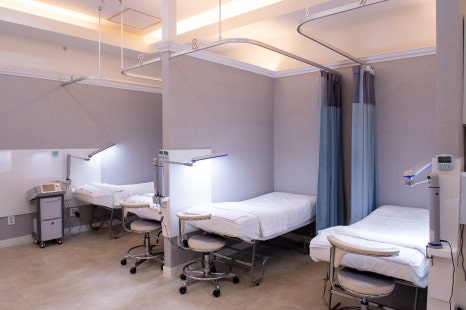
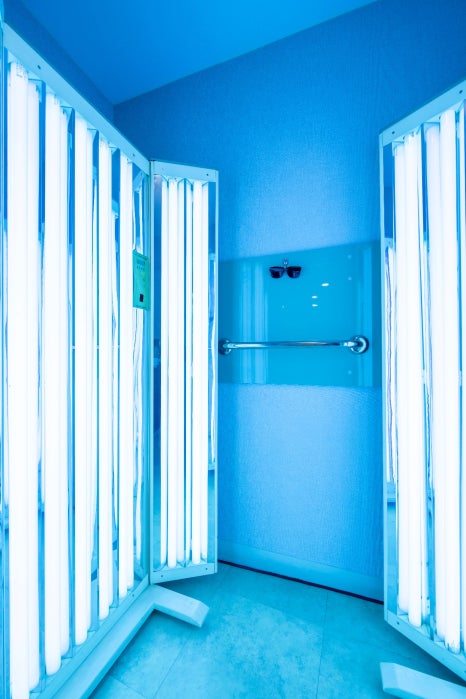
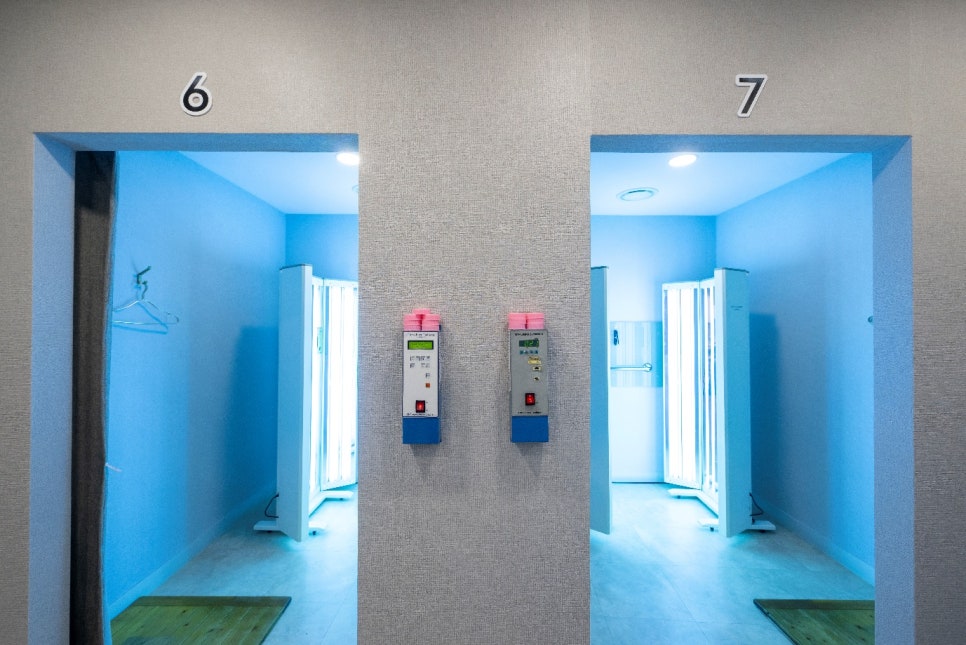
Phototherapy Precautions
Phototherapy can be a helpful method for improving atopic skin, but there are several precautions to follow during treatment.
First, do not apply ointment immediately before treatment.
If light is delivered while ointment remains on the skin, the light may not penetrate deeply enough into the skin, and the expected effect may not appear sufficiently.
In other words, no matter how regularly you receive treatment, if ointment remains on the skin right before treatment, the expected effect will inevitably be reduced.
Also, 충분한 moisturizing after treatment is essential.
Because phototherapy can dry out the skin, it is important to apply plenty of moisturizer or hydrating cream immediately after treatment to protect the skin barrier.
The skin needs to stay hydrated for the next treatment to work well, and this can help minimize skin irritation or damage that may occur during the treatment process.
Particular care is needed for sensitive areas.
Areas such as the face, neck, and hands, where the skin is thin and sensitive, may develop symptoms such as redness, stinging, or itching after treatment.
These are natural phenomena that can occur during the treatment process, but if symptoms persist or worsen, it is best to visit the clinic and check the progress.
Finally, the treatment interval must be strictly followed.
No matter how much you want a quick effect, receiving treatment too often can actually damage the skin.
It is safe to continue treatment while following the schedule recommended by the specialist, and you can expect a skin condition that stays healthy in the long term.

Skin Care and Lifestyle Habits You Can Practice in Daily Life
Home care and lifestyle habits need to be carried out together for the expected effect to last longer and to help reduce the likelihood of recurrence.
At this time, sufficient moisturizing is essential.
Apply moisturizer consistently about 2 to 3 times a day, and be sure to apply it immediately after showering.
When moisturizer is applied, the skin stays hydrated and becomes less sensitive to external irritants, which can help reduce the possibility of atopic dermatitis symptoms recurring.
Next, using gentle detergents and cosmetics is important.
Everyday products such as detergents, shampoo, and cleansers should also be changed to ones with less irritation, and because the skin can easily become red and itchy even from small irritants, you need to pay attention when choosing products.
Stress management is also very important.
Stress is one of the major factors that worsen atopic dermatitis symptoms, so controlling stress through enough rest, a calm mindset, light exercise, or hobby activities can also help skin health.
When stress is reduced, immune responses also become more stable, which can help relieve atopic dermatitis symptoms.
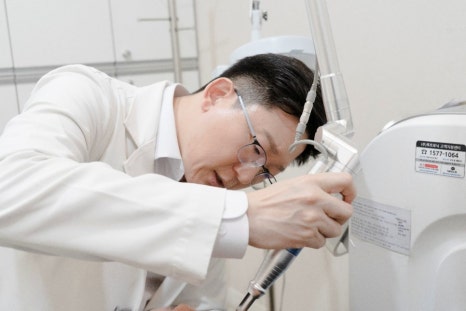
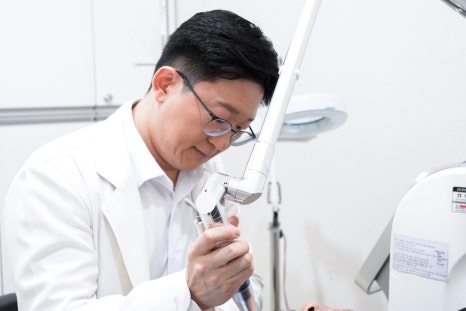
Atopic dermatitis is not simply itchy skin or a few breakouts, but a chronic skin condition that requires long-term management and treatment.
While combining ointment treatment and phototherapy, it is also good to practice sufficient moisturizing, use gentle products, and manage stress in daily life.
The effects of treatment do not appear overnight, but with consistent care, skin health can gradually recover, and recurring symptoms can be prevented.
I hope you will carefully review the ointment usage instructions, phototherapy precautions, and lifestyle management methods introduced today, and consult a specialist if needed to establish a personalized treatment plan.
Managing atopic dermatitis may feel difficult, but if you consistently follow the right treatment and lifestyle habits, you can sufficiently stabilize the symptoms and protect your skin health.
If you have any questions in addition to the information above, please ask in the comment box below.
I will kindly answer them.
Thank you for reading to the end.
| This post was written for informational purposes in compliance with Article 56, Paragraphs 1–15 of the Medical Service Act. All treatments carry the risk of side effects and complications depending on the individual. Before treatment, please be sure to make a sufficient consultation with medical staff who have extensive experience before making a decision. |