If a sudden white spot appears on your face, anyone would be startled and worried.
You might think it is a problem caused by dry skin during seasonal changes, but in fact, these white spots are not simply the result of dryness. They may be vitiligo, a chronic condition in which pigment gradually disappears from certain areas due to an immune system abnormality.
In particular, the face is the part of the body people notice first, so when symptoms appear, it can cause not only appearance-related stress but also significant psychological burden.
Therefore, if you think a small change in your skin is not a big deal, the affected area may continue to spread. That is why it is important to receive a detailed diagnosis and establish a treatment plan early.
Today, at a dermatology clinic near Sindorim Station, I will explain general information about facial vitiligo treatment.
-
Facial vitiligo: is it just a pigment issue?
-
Vitiligo treatment requires a step-by-step approach
-
How can you prevent recurrence and manage it in daily life?


Facial vitiligo: is it just a pigment issue?
Vitiligo refers to a condition in which part of the skin turns white as melanocytes are lost.
The exact reason melanocytes decrease is not clearly known, but an autoimmune reaction is considered one of the major causes.
In other words, immune cells in our body attack the skin and damage even normal pigment cells.
Because the face is such a noticeable area, appearance-related stress is unavoidable, and it can also affect how others look at you.
At first, the white spots may appear small, but if left untreated, they can gradually spread to surrounding areas and extend to the neck, ears, and around the mouth, so caution is needed.
That is why it is important not to think of it as a simple pigment issue and to receive a diagnosis as soon as symptoms appear.



Vitiligo treatment requires step-by-step care
Vitiligo treatment does not end with just one method; it requires a gradual approach.
In the early stage, the basics involve using immunomodulating ointments to help prevent the affected area from spreading.
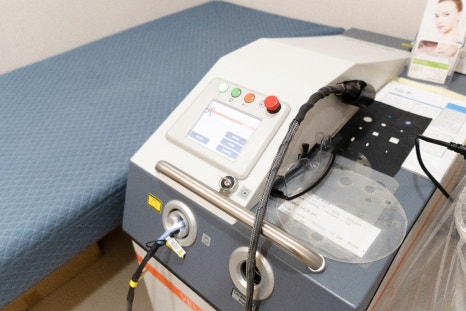
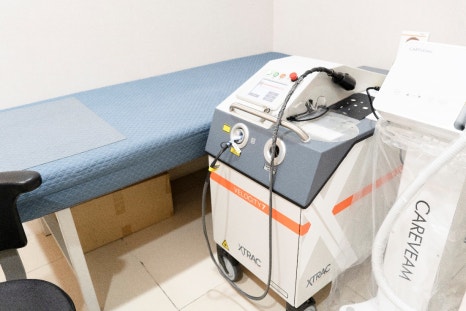
If the affected area continues to expand despite ointment treatment, phototherapy or laser treatment may be considered.
Phototherapy is a method that uses light of a specific wavelength on the skin to regulate immune responses and help restore pigment. When performed safely, it may have little effect on the surrounding normal skin tissue.
The important point is that when creating a treatment plan, all of the patient’s skin condition, lesion location, and degree of progression must be considered so that treatment is customized.


How can you prevent recurrence and manage it in daily life?
Because vitiligo is a chronic condition, treatment alone is not enough, and daily management to prevent recurrence is essential.
First of all, protecting the skin barrier is important.
During treatment, it is best to avoid scrubs or harsh chemical products and protect the skin from outside irritation with sufficient moisturizing.
Sun protection is also essential.
Be careful to keep untreated areas out of direct sunlight, and when going out, apply sunscreen thoroughly to minimize skin damage.
In addition, stress, lack of sleep, and colds or tonsillitis can affect the immune system and worsen vitiligo symptoms.
That is why it is important to manage stress and stabilize the immune system through a regular lifestyle, enough sleep, and light exercise.
Vitiligo is not a condition that can be completely cured in a short period of time, but with systematic treatment and consistent care, it is possible to expect stable control of the condition.
Facial vitiligo may look like a simple pigment problem, but in reality, it is a chronic skin condition closely connected to the immune system.
If treatment is delayed or the condition is left untreated, the symptoms may gradually spread or become more severe.
Therefore, it is most important to establish a step-by-step treatment plan tailored to each person’s skin condition and degree of progression at an early stage.
Along with treatment, daily care should also be maintained. Consistent habits such as adequate moisturizing, sun protection, and minimizing skin irritation can help prevent worsening symptoms and reduce the likelihood of recurrence.
I hope the information shared today about facial vitiligo was helpful for those preparing for vitiligo treatment.
If you have any questions beyond what was covered today, please ask through the window below.
We will kindly answer them.
Thank you.
| This post was written for informational purposes in compliance with Article 56, Paragraphs 1–15 of the Medical Service Act. All treatments carry the risk of side effects and complications depending on the individual. Before treatment, be sure to have a thorough consultation with a medical professional with extensive experience before making a decision. |