Atopic dermatitis is not just a skin condition that simply ends with itching or dry skin.
It is a chronic condition in which the skin barrier is weakened and the immune system reacts sensitively. When symptoms repeat, it can interfere with daily life and even cause psychological stress.
As symptoms worsen, they can affect everyday activities, which is why systematic management and treatment are important.
The most basic and key method in atopic dermatitis treatment is ointment therapy.
So, if you know how to use ointment correctly and manage it consistently, you can expect improvement in atopic symptoms and even help prevent recurrence.
Today, along with how to use ointment, I will explain information about ointment therapy and phototherapy, which are treatment methods for atopic dermatitis.
-
What is atopic dermatitis?
-
Atopic dermatitis treatment method: ointment therapy
-
Atopic dermatitis treatment method: phototherapy


What is atopic dermatitis?
Atopic dermatitis is not simply a matter of itching or dryness.
It is a skin disease in which inflammation and damage occur as the immune system reacts sensitively and the skin barrier becomes weakened repeatedly.
Many people think it is simply a matter of itchy skin with no other symptoms, but in reality, an overactive immune system can lead to repeated symptoms such as redness and itching.
In addition, atopic dermatitis can involve not only visible symptoms but also psychological burden.
Itching can reduce concentration in daily life, disturb sleep, and cause stress in social activities.
So rather than thinking of it as a simple problem, early diagnosis of symptoms and systematic management are more important than anything else.

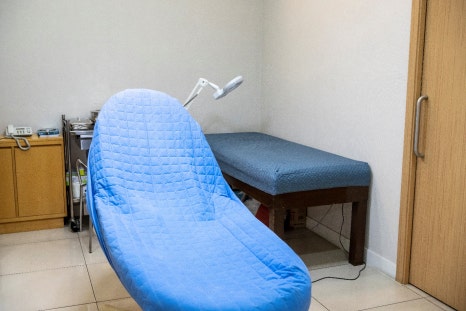
Atopic dermatitis treatment method: ointment therapy
The most basic part of atopic dermatitis treatment is ointment therapy.
However, many patients fail to get the expected treatment effect or even experience skin irritation because they use ointment incorrectly.
So, to make ointment therapy effective, it is important to practice the following methods.
First, use an appropriate amount.
Rather than applying too much just because the skin is red or dry, apply only as much as the skin can absorb.
If the amount is too small, symptoms will not improve; if it is too much, skin irritation or side effects may occur.
Second, it is important to apply it regularly.
It is best to apply it consistently at a set time each day, and applying it too frequently beyond what is needed can instead burden the skin.
Third, it should be applied to the areas that need treatment.
Apply it intensively to areas with severe itching or rash, and for other healthy skin, avoid overapplying it and manage it mainly with moisturization.
If you use ointment correctly and manage it consistently like this, you can expect symptom relief even in a short period of time.
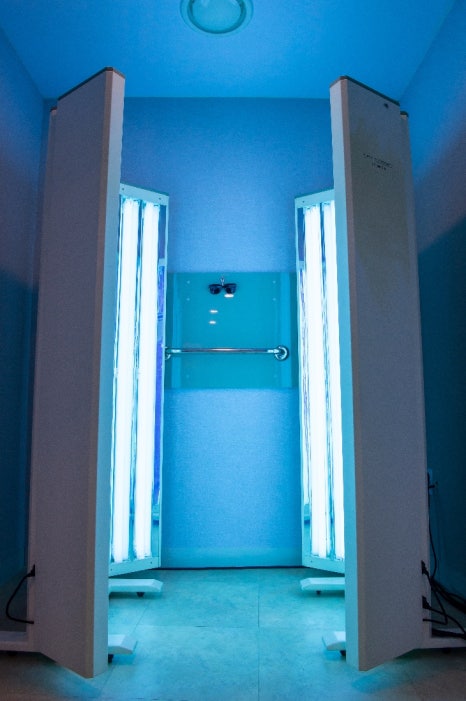
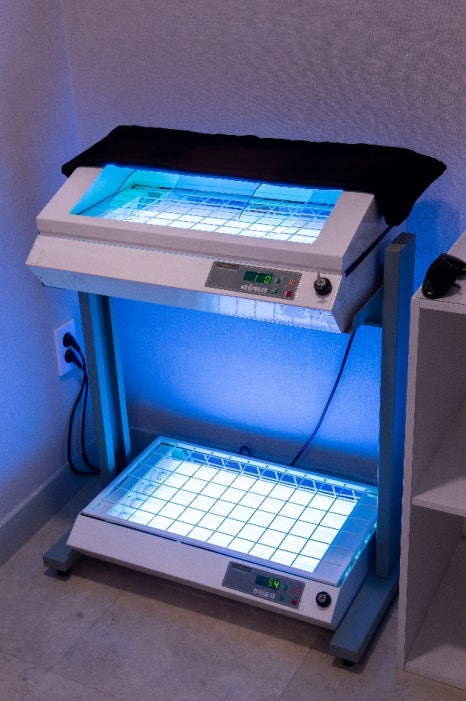
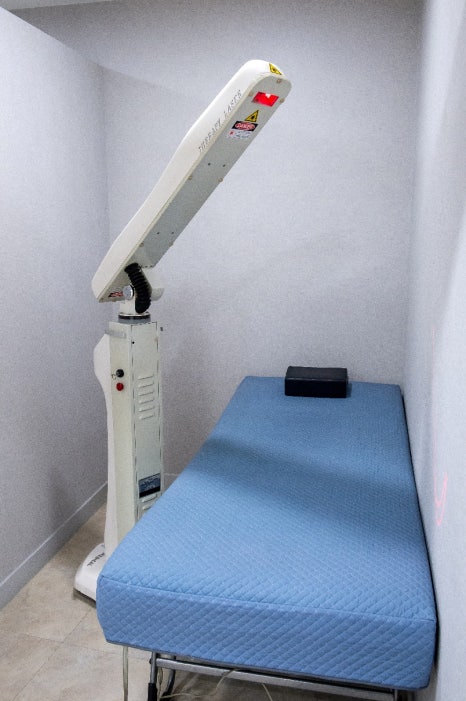
Atopic dermatitis treatment method: phototherapy
If the symptoms do not improve even after the ointment therapy described above, phototherapy can be considered.
Phototherapy is a treatment method that regulates the immune response by exposing the skin to ultraviolet light of a specific wavelength.
It can be applied without much burden even for patients who have difficulty using medication for a long time, and it can be expected to stabilize the skin barrier and immunity at the same time.
In addition, after treatment, the skin is soothed, itching decreases, and the risk of recurrence can be lowered.
Phototherapy does not end after just one or two sessions; the skin needs to go through a recovery process.
While treatment is being carried out, the intervals between sessions should be adjusted while observing symptoms such as how much improvement there is, so that care is tailored to the skin condition.
Atopic dermatitis is not just simple itching or dryness, but a chronic condition that requires management with consideration for both the immune system and the skin barrier.
Therefore, if you establish a treatment plan suited to your skin condition and combine proper ointment use, phototherapy, moisturization, and lifestyle habits, you can expect stable relief of atopic symptoms and a reduced likelihood of recurrence.
Continuing treatment and management in a systematic way is the way to keep atopic dermatitis healthy over the long term.
If you have any questions in addition to the content above, please ask in the comments below.
I will kindly respond.
Thank you for reading to the end.
| This post was written for informational purposes in compliance with Article 56, Paragraph 1 to Paragraph 15 of the Medical Service Act. All treatments carry the risk of side effects and complications depending on the individual. Before treatment, be sure to make a sufficient consultation with experienced medical staff before making a decision. |