Psoriasis is often thought of as a condition that simply causes red, itchy skin, but in reality, it is a chronic inflammatory skin disease caused by excessive skin cell growth.
This can lead to repeated redness and white scaling of the skin, and in severe cases, it can interfere with daily life.
In addition, lifestyle and environmental factors such as stress, lack of sleep, and dry skin can also affect symptoms, so rather than judging by appearance alone, systematic treatment and consistent care are necessary.
Today, Mullae-dong Dermatology will explain the overall information about the characteristics of psoriasis, excimer laser treatment, and management methods to help prevent recurrence.
-Today's Column Outline-
- Psoriasis is not just a simple skin condition.
- Excimer laser: customized treatment by stage
- Preventing recurrence: managing lifestyle habits as well
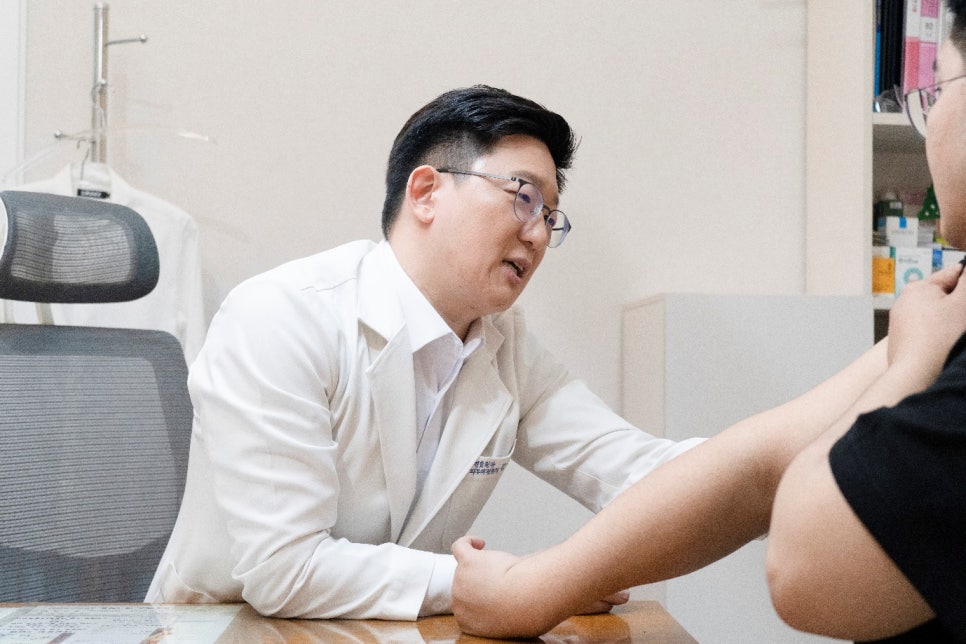
Psoriasis is not just a simple skin condition.
Psoriasis is not a condition that ends with simple itching.
Because skin cells multiply faster than normal and the immune system reacts too sensitively, inflammation repeats and the skin is constantly irritated and damaged.
When psoriasis develops, the skin turns red, thick scales form, and itching may also occur.
And when symptoms become severe, it can appear in highly visible areas such as the elbows, knees, and scalp, making daily life uncomfortable.
Also, stress, lack of sleep, and environmental factors can worsen symptoms, so it should not be viewed as merely an appearance-related issue.
Therefore, psoriasis management requires an integrated approach that includes symptom treatment, immune response control, and lifestyle management.

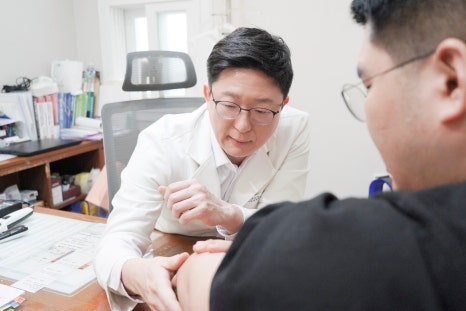
Excimer laser: customized treatment by stage
The excimer laser is one of the representative treatments for psoriasis.
This treatment method directly applies light of a specific wavelength to the skin lesion area, helping to relieve inflammation and stabilize the immune response.
Unlike general ointment treatment or medication, it directs light only to the lesion area, so it can help calm inflammation while minimizing irritation to healthy skin.
In the early stage of treatment, the excimer laser is applied intensively to the lesion or localized area, which can help quickly reduce inflammation and improve scaling and redness.
After that, treatment is continued while adjusting the intensity and frequency for areas where recurrence is possible, and medication treatment may also be combined if necessary.
Once symptoms enter a stable phase, it is good to continue maintenance treatment at regular intervals.
This is a process to prevent recurrence in areas that have already improved and to maintain healthy skin conditions over the long term.
Excimer laser treatment should be customized according to the condition of the lesion, skin type, and an individual's lifestyle habits in order to achieve satisfying results.
Therefore, stopping treatment or adjusting intervals on one’s own can instead worsen symptoms or increase the risk of recurrence, so it is important to continue treatment consistently.
Preventing recurrence: managing lifestyle habits as well
As a chronic skin condition, psoriasis does not end with treatment alone and requires ongoing management.
After treatment, the skin becomes more sensitive, so it is important to avoid external irritation and dryness, and to strengthen the skin barrier with sufficient moisturizing.
In addition, lifestyle management is essential.
Stress, lack of sleep, irregular eating, and fatigue can reduce immune function and worsen symptoms, so adequate sleep, a balanced diet, and regular exercise are needed.
When treatment and care are continued consistently, you can expect your skin condition to remain stable.

Psoriasis is not a simple skin condition, but a chronic inflammatory disease involving the immune system and skin cell proliferation.
Treatment is effective for relieving symptoms and stabilizing the immune system, and it should be carried out step by step depending on the condition of the lesions.
Above all, to prevent recurrence, lifestyle management, skin moisturizing, and regular checkups are essential alongside treatment.
If you consult with a dermatologist in Mullae-dong, create a treatment plan suited to your skin condition, and maintain a systematic treatment plan and consistent care habits, you can expect psoriasis symptoms to improve sufficiently.
I hope the information about psoriasis shared today is helpful for those preparing for treatment.
Thank you for reading to the end.
| This post was written for informational purposes in compliance with Article 56, Paragraph 1 through Paragraph 15 of the Medical Service Act. All treatments carry a risk of side effects and complications depending on the individual. Before treatment, be sure to have a 충분한 consultation with medical staff who have extensive experience before making a decision. |