What we check first when we look in the mirror is our skin tone.
But skin tone changes depending on a variety of factors.
Sunlight, hormonal changes, skin inflammation, or even simple irritation can all cause subtle changes in skin color.
First, if your skin has darkened simply because of sun exposure, you may be able to expect some improvement with consistent moisturizing, sun protection, and brightening care.
But if the change in skin tone is not simple “hyperpigmentation” but rather “loss of pigment,” the story can be different.
If parts of the skin turn white, the borders of the white patches are clear, and they gradually spread outward, this may be a sign that the melanocytes in the skin have been damaged.
Vitiligo is a skin condition caused by the loss of melanocytes, and once melanin is destroyed, it does not naturally regenerate.
Today, we will take a closer look at vitiligo treatment methods at a vitiligo laser treatment clinic.
- Causes of vitiligo
- Types of vitiligo
- Vitiligo laser treatment methods
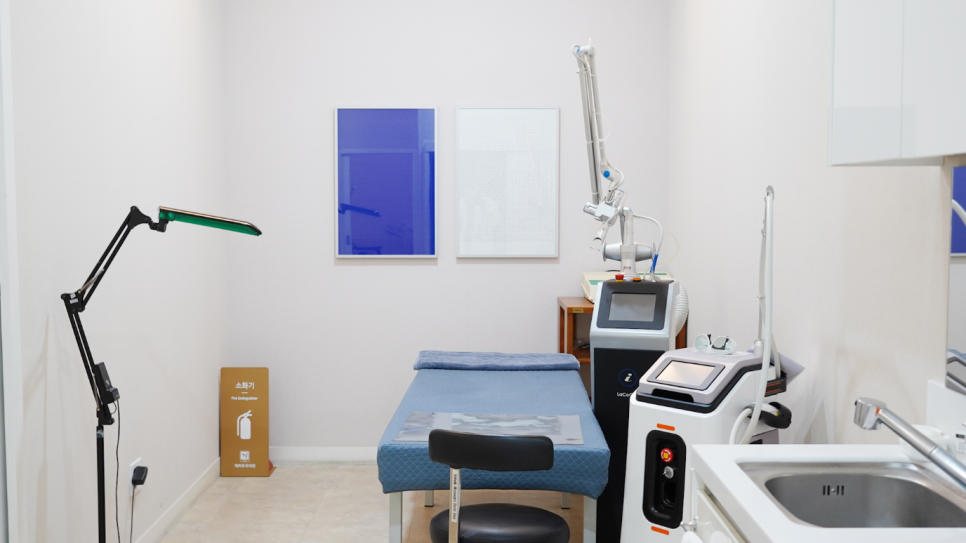
What causes vitiligo?
Uneven skin color may simply be due to sun exposure, but sometimes it is also related to our body’s immune system.
A representative example is vitiligo.
Vitiligo is a condition in which melanocytes are damaged or disappear, causing the skin to gradually lose color and eventually turn white.
On the surface, it may look like a simple “white patch,” but inside, a complex battle is taking place between the immune system and melanocytes.
The biggest cause of vitiligo is an autoimmune reaction.
In other words, the immune cells in our body malfunction and mistake their own melanocytes for outside invaders, then attack them.
As a result, the melanocytes are destroyed, and the color in that area can gradually disappear.
Also, areas of the skin that are frequently rubbed or irritated, such as the elbows, knees, finger joints, and waistband line, are places where vitiligo can develop particularly easily.
This is called the Koebner phenomenon. Put simply, you can understand it as vitiligo tending to appear in areas that are often irritated.

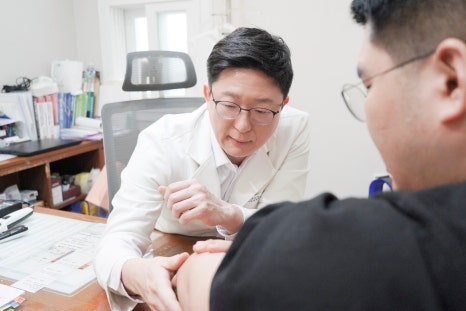
What happens if vitiligo is left untreated?
Vitiligo can be classified in many different ways depending on where the white patches appear and in what pattern.
First, vitiligo is divided into segmental vitiligo and non-segmental vitiligo according to the pattern of symptoms.
Segmental vitiligo, as the name suggests, is vitiligo that is limited to only one side of the body.
It is characterized by white patches appearing mainly along one side of the body where nerves are distributed, such as one side of the face, the neck, the arms, or the legs.
This case also tends to start early and progress over a short period.
It usually begins at a young age (around the teens), progresses quickly over a short time, and then often stops after that.
By contrast, non-segmental vitiligo is the most common type of vitiligo.
In this case, white patches appear asymmetrically in various parts of the body and gradually spread.
In fact, the progression rate of non-segmental vitiligo is not constant; it may settle down for a while and then spread again, or new patches may appear in new areas.
In severe cases, the symptoms can worsen to the point that white patches cover the entire body, so it is best to plan treatment as early as possible.
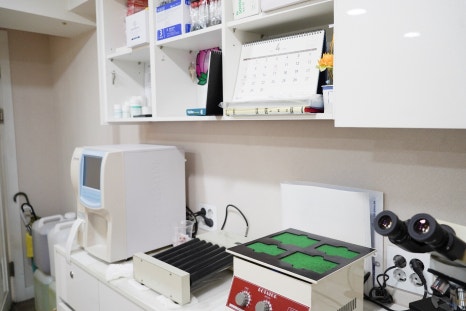
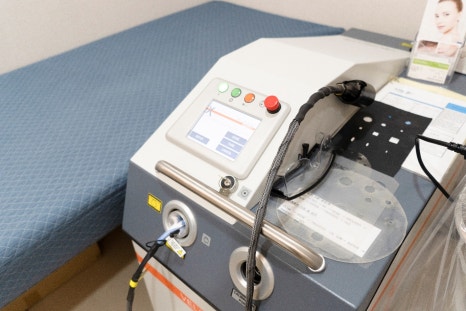
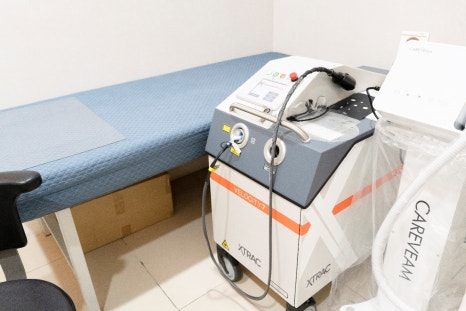
How does excimer laser treatment for vitiligo work?
In areas affected by vitiligo, melanocytes are destroyed or have stopped functioning.
The excimer laser plays a role in giving these cells a signal to “reactivate.”
The excimer laser is a laser treatment that uses ultraviolet light with a wavelength of 308 nm.
Simply put, it precisely delivers the amount of “light” needed by the skin to stimulate melanocytes and promote pigment regeneration.
Through this process, the borders of the white patches can gradually become less noticeable.
In addition, receiving treatment regularly may also help prevent new vitiligo from developing.
On top of that, because the excimer laser targets only the problematic melanin-related areas, it has the advantage of having less effect on the surrounding normal skin tissue.
Also, since the intensity and number of laser sessions can be adjusted to each individual, even people with sensitive skin can receive treatment without much burden.
Vitiligo is not simply a disease in which skin color disappears.
Behind it are immune, genetic, and environmental factors all intertwined.
However, if an accurate diagnosis and consistent treatment are provided early, an improvement in skin color can be expected.
That said, vitiligo is a condition that should be approached not as a simple treatment, but as a matter of “management.”
In other words, the process of restoring melanocytes and the care needed to prevent recurrence must go together.
Helping the skin remember its color again on its own—that is the core of vitiligo management and treatment.
So please make long-term plans and continue consistent skin care.
If you have any questions beyond what was covered above, please leave them in the comments below and ask the vitiligo laser treatment clinic.
We will respond kindly.
Thank you for reading this post from the vitiligo laser treatment clinic all the way to the end.
| This post was written for informational purposes in compliance with Article 56, Paragraphs 1–15 of the Medical Service Act. All treatments carry the risk of side effects and complications depending on the individual. Before treatment, be sure to have a thorough consultation with experienced medical staff before making your decision. |