Atopic dermatitis is a condition in which the skin barrier becomes weakened and the skin reacts easily to external irritants.
At first, it may simply feel like dry skin or a little itchiness, but symptoms often recur or spread more widely, which is why detailed diagnosis and management are important early on.
In particular, because symptoms may temporarily improve and then worsen again depending on dry seasons or changes in the environment, it is necessary to regularly observe your skin condition and determine the right direction for treatment.
Atopic dermatitis is not just a problem that appears on the skin’s surface; it is a condition influenced by the skin barrier, immune response, and living environment together. That is why understanding the early symptoms and causes before starting treatment can help prevent worsening symptoms and maintain skin condition.
Today, I will explain everything step by step, from the early symptoms of atopic dermatitis to what you should know before treatment.
-Today's column order-
-
Early symptoms of atopic dermatitis
-
Why atopic dermatitis develops
-
What to know before treating atopic dermatitis

Early symptoms of atopic dermatitis
The early symptoms of atopic dermatitis may look similar to simple dryness on the surface, but the progression and type of symptoms are different.
First, the skin becomes dry and feels tight, and then itching and redness often repeat over time.
In particular, in environments where the air is dry, such as during winter, or where there are large temperature changes, symptoms worsen more easily, and they may first appear in areas with frequent friction, such as the folds of the arms and legs, the face, and around the neck.
As the itching gradually becomes stronger over time and scratching leads to tiny wounds, inflammation may worsen secondarily.
Usually, in the early stage of symptoms, the skin quickly becomes dry again even after moisturizing, and itching continues, so it is easy to mistake it for simple dryness.
However, if these changes repeat, there is a high possibility that it is early atopic dermatitis, so a more detailed check is needed.



Why atopic dermatitis develops
Atopic dermatitis develops due to a combination of multiple factors rather than a single cause.
The most basic factor is weakened skin barrier function.
When the skin barrier is weakened, it becomes difficult to retain moisture and the skin becomes more sensitive to external irritants and allergens, so inflammation can easily occur even from irritation.
In addition, environmental factors such as fine dust, dry air, sudden temperature changes, and stress can worsen symptoms or increase how often they occur.
Family history is also an important factor.
If there is a family history of atopic dermatitis, asthma, or allergic rhinitis, the pattern of skin immune response may appear similar, increasing the likelihood of developing atopic dermatitis.
When these various factors accumulate, the skin barrier continues to weaken, and the skin becomes unable to withstand external irritants, leading to recurring atopic dermatitis.


What to know before treating atopic dermatitis
Atopic dermatitis is not a condition that disappears completely in a short time, so consistent management is necessary.
In particular, moisturizing is the most basic and important step in the treatment process.
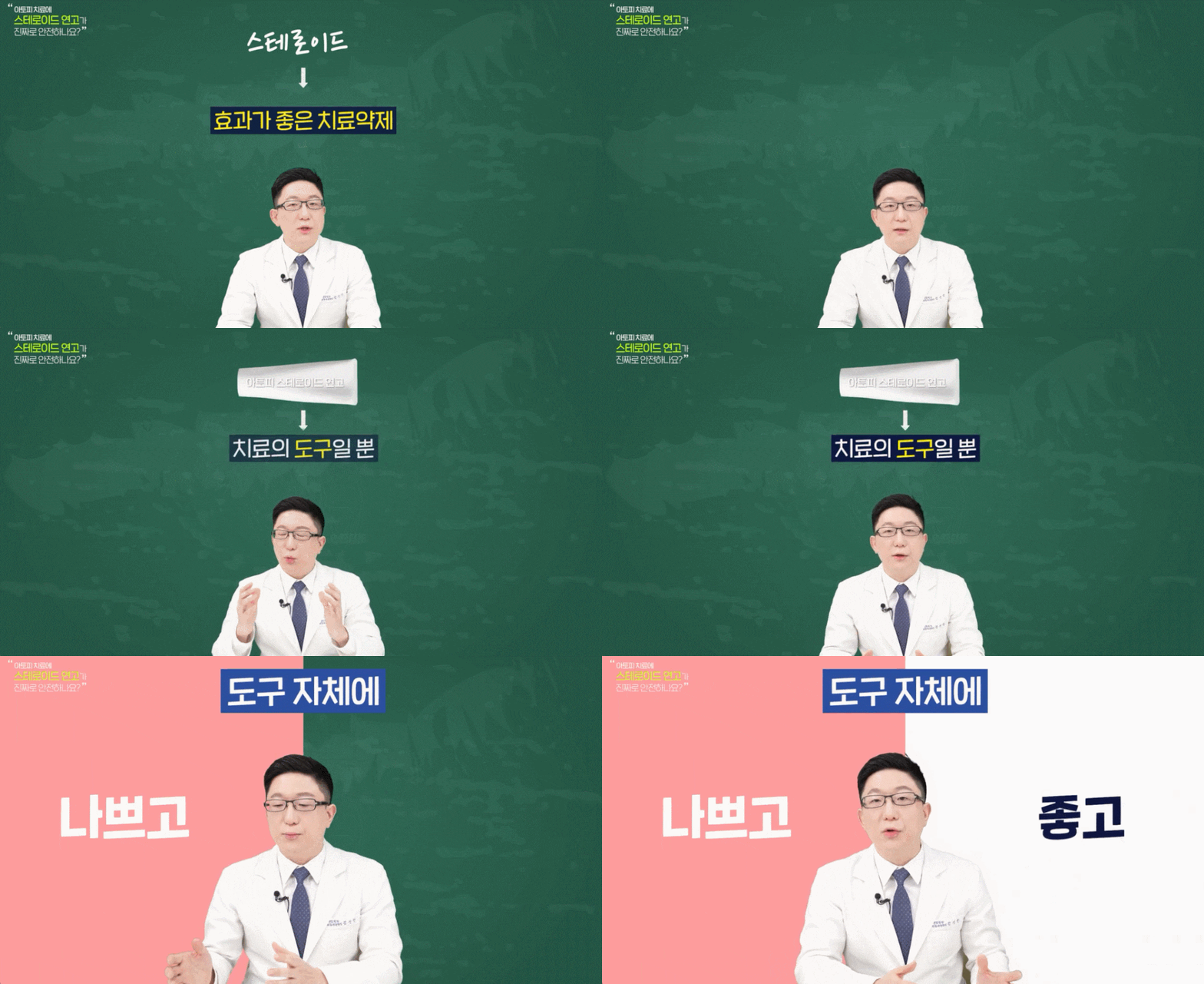
When the skin barrier is weakened, drug treatments such as steroids or immunomodulators may not work properly, so the skin environment should first be stabilized by providing enough moisture.
It is also important to identify triggers that vary from person to person.
Dry air, sudden temperature changes, and friction from clothing often worsen atopic dermatitis symptoms, so daily living environments and habits should be managed together.
Since atopic dermatitis can be stabilized only when several management measures are balanced, if symptoms keep recurring, it is necessary to establish a treatment plan that matches the current skin condition through professional medical care.
Atopic dermatitis is a condition in which symptom improvement can be expected when symptoms are accurately identified early and appropriate diagnosis and management are carried out together.
Because it is important to distinguish it from simple dryness, if symptoms recur or itching continues, it is better to assess the skin barrier condition and triggering factors together to determine the direction of treatment.
Symptoms may improve with consistent moisturizing and lifestyle management alone, so care that matches your skin condition is important.
I hope the information shared today about the early symptoms, causes, and things to know before treating atopic dermatitis was helpful to patients.
If you have any questions beyond what was covered above, please leave them in the comment box below.
We will kindly answer them.
Thank you for reading to the end.
| This post was written for informational purposes in compliance with Article 56, Paragraphs 1 to 15 of the Medical Service Act. All treatments carry a risk of side effects and complications depending on the individual. Before treatment, please be sure to make a sufficient consultation with a medical professional with extensive experience before making a decision. |