Vitiligo begins with some areas of the skin appearing partially white.
At first, you may only feel that “the skin looks a little lighter,” but over time, the border may become more distinct or the affected area may gradually expand.
In particular, it often develops on exposed areas or areas that experience frequent friction, so changes can be easily noticed during daily life.
Vitiligo is not simply a change in pigmentation; it is a condition in which the function of melanocytes and immune responses interact, so a detailed evaluation at an early stage is very important.
Today, I will organize the overall information on what vitiligo looks like, why it occurs, and how treatment should be carried out.
-Today's column outline-
-
Typical features of vitiligo
-
Why vitiligo develops
-
Key points in vitiligo treatment

Typical features of vitiligo
Vitiligo begins as melanin pigment decreases, causing the skin to appear lighter or white compared with the surrounding skin.
At first, it may not differ much from the surrounding skin tone, so it is easy to mistake it for a simple change in skin color. However, as it progresses, the border becomes clearer and it often appears as a distinct contrast in skin color.
In particular, it often appears on areas frequently exposed to ultraviolet light, such as the face, neck, and hands and arms, or on areas where clothing touches the skin or friction occurs repeatedly, so changes may be easily noticed in daily life.
The visible changes are clear, but because there are almost no irritation symptoms such as pain or itching, many people tend to dismiss it, thinking, “Maybe my skin has just become sensitive?”
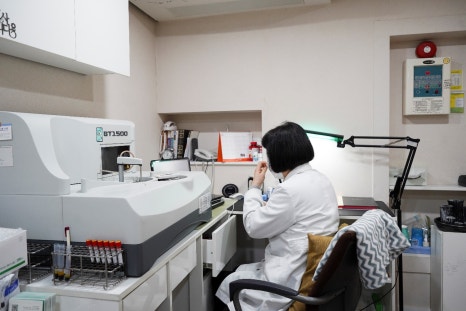
However, when checked with a device such as a Wood’s lamp, color changes may be seen even in areas that are not visible to the eye, so even if the changes are not obvious, it is important to receive an accurate diagnosis early.
Vitiligo may remain stable in some cases, but in others the affected area may suddenly expand after a certain period or after irritation, so continued observation is necessary.



Why vitiligo develops
Vitiligo is a skin condition that develops from multiple causes rather than a single reason.
The most typical cause is a decrease in or loss of melanocyte function.
As a result, normal pigment production becomes difficult, and certain areas of the skin appear lighter.
There are also cases in which an autoimmune response is the cause.
Immune cells attack melanocytes, reducing pigment, which is why vitiligo is classified not simply as a pigmentation abnormality but as a condition related to the immune system.
In addition, environmental factors such as ultraviolet light, friction, wounds, skin irritation, and stress can speed up progression or expand the affected area.
Family history can also have an effect, so if there is a genetic predisposition, closer observation is needed.
As such, it is important to understand that vitiligo is not caused by a single factor but is a condition in which skin function, immune responses, and environmental factors interact in a complex way.
Key points in vitiligo treatment
For vitiligo treatment, the first priority is to accurately identify the extent of the lesions and assess whether the condition is progressing.
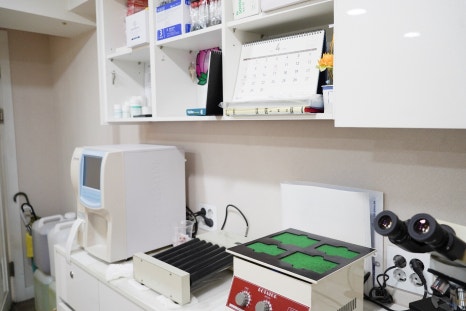
Using a Wood’s lamp examination and similar methods, the actual lesions may be broader than what is visible on the surface, so the treatment plan is determined after confirming the exact range.
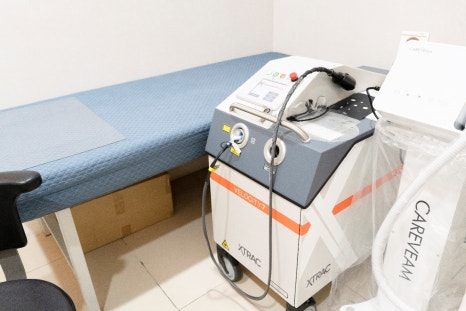
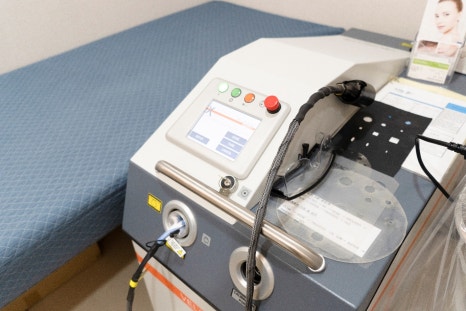
A representative treatment method is phototherapy, which helps restore the function of damaged melanocytes and promotes pigment regeneration.
For stable vitiligo, treatment aimed at restoring pigment is the main approach, while for progressive vitiligo, treatment to control inflammation and reduce melanocyte damage may be needed first.
In addition, lifestyle management has a major impact on treatment effectiveness.
Because friction, sunlight, and irritation can worsen vitiligo symptoms, it is important to minimize irritation in daily life and consistently use sun protection.
In particular, sunlight can help during the treatment process, but if the exposure is too strong, it may worsen the condition instead, so it is safer to adjust the intensity and duration of exposure after consulting a specialist.
In summary, when diagnosis, treatment, and lifestyle management are carried out together, improvement and maintenance of vitiligo tend to be more stable.
Even if the initial changes in vitiligo seem small, the affected area often expands or the borders become more distinct over time, so early diagnosis is especially important.
It is a condition that can easily be mistaken for a simple change in skin tone, but because the skin’s immune function and pigmentation function are both involved, it is safer to determine the treatment direction under the judgment of medical professionals.
When consistent treatment and lifestyle management are combined, the progression can be slowed and pigment recovery can be supported, helping maintain a more stable skin condition over the long term.
I hope the information about vitiligo shared today by the dermatology clinic at Yeouido Station was helpful to those who have been feeling stressed by vitiligo symptoms.
If you have any questions beyond the information above, please leave them in the comments below.
I will kindly answer them.
Thank you for reading until the end.
| This post was written for informational purposes in compliance with Article 56, Paragraphs 1–15 of the Medical Service Act. All treatments carry the risk of side effects and complications depending on the individual. Before treatment, please be sure to have a thorough consultation with experienced medical staff and make your decision afterward. |