Psoriasis is a chronic inflammatory skin disease in which the skin becomes red and thick, and white, flaky scales repeatedly appear on top of it.
In the early stages, it may be easy to brush off as just feeling that the skin is a little more sensitive than usual, but over time, scales may build up in layers or the same area may keep recurring.
In particular, it tends to develop easily in areas where friction occurs often, such as the elbows, knees, and scalp, so changes can be noticed easily in daily life as well.
Psoriasis is not simply a change on the skin’s surface; it is a chronic skin disease in which changes in skin renewal speed and abnormal immune responses occur together, so accurate observation and diagnosis from the early stages are important.
Today, I will explain the overall reasons why psoriasis keeps recurring, what factors affect worsening, and how treatment is carried out.
-
Characteristic skin changes seen in psoriasis
-
Why psoriasis keeps appearing
-
Treatment and management methods to stabilize symptoms

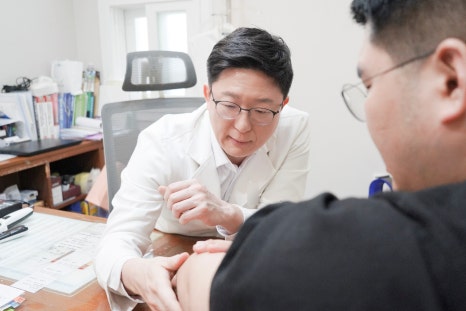
Characteristic skin changes seen in psoriasis
The most characteristic feature of psoriasis is the formation of layers of white scales on top of red skin (erythema).
These lesions have relatively clear borders and appear as white flakes that fall off like dandruff when scratched, which helps distinguish them from other skin diseases.
It may also be accompanied by itching, but even when it does not itch, the lesion itself may stand out because the skin looks thick or red, which can cause discomfort in daily life.
Symptoms are especially common and long-lasting in areas where irritation is repeated, such as the elbows and knees, or in dry, friction-prone areas like the scalp, and they may spread more widely during times of high stress or when the seasons change.
Outwardly, it may simply look like dry skin, but the skin renewal rate becomes faster than normal, causing excessive scale buildup and repeated inflammation.



Why psoriasis keeps appearing
The reason psoriasis keeps recurring is that the skin renewal rate becomes abnormally fast and, in the process, immune responses are activated as well.
This change repeatedly creates inflammation, and psoriasis often appears again in areas where lesions have already occurred.
In addition, stress, lack of sleep, dietary habits, dry environments, and occupational factors that involve a lot of irritation can all increase inflammatory responses and worsen symptoms.
For example, during dry seasons such as winter, the skin barrier weakens and immune responses become more active, which often causes lesions to suddenly spread.
Because psoriasis is not a problem caused simply by dry skin or irritation, it is not enough to treat only the lesions that are visible right away; steady care and regular treatment need to go together to help relieve symptoms.


Treatment and management methods to stabilize symptoms
Psoriasis treatment should be planned by comprehensively considering the individual’s lesion extent, progression speed, and lifestyle pattern.
In the early stages of symptoms, treatment is centered on steroid ointments, vitamin D analogues, and similar options.
These treatments are effective in reducing inflammation and normalizing the process of scale formation, and they are used with gradual adjustments in intensity and frequency.
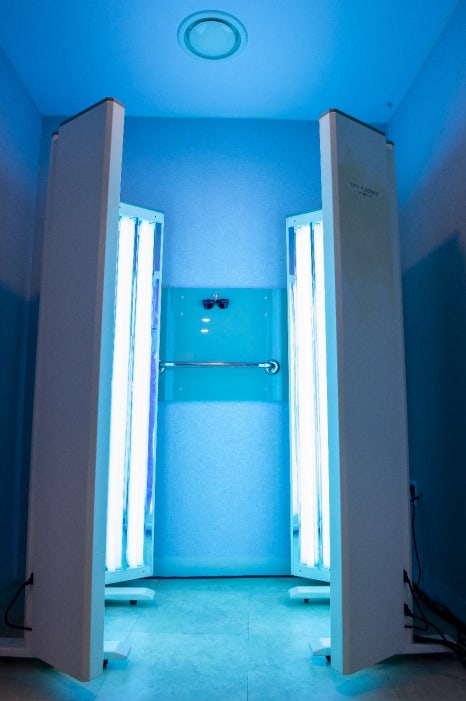
If the lesions are widespread or recur frequently, phototherapy can be very helpful.
Phototherapy can help regulate the skin’s excessive immune response and normalize the renewal rate, helping prevent the spread of psoriasis and stabilize symptoms.
Lifestyle management should not be overlooked either.
Because psoriasis can worsen easily in dry environments, sufficient moisturizing, stress management, and regular sleep play a major role in immune stability.
Although psoriasis is a disease with a high recurrence rate, if treatment is carried out according to the stage of symptoms and lifestyle management is also maintained, it can greatly help treat symptoms and prevent recurrence.


Psoriasis is a condition in which scales and redness repeatedly appear on the skin’s surface, but behind it, changes in the skin renewal cycle and immune response are also at work.
For this reason, even if the visible lesions seem to improve, the condition can worsen again depending on the living environment or irritation.
So if symptoms keep recurring or spread over a wider area, it is necessary to accurately check which stage the current condition is in and then establish a treatment direction.
If medical treatments such as ointment therapy and phototherapy are combined with lifestyle management that reduces skin irritation and maintains moisture, symptoms can be managed more stably.
In summary, psoriasis is a condition in which steady management and a step-by-step approach are more helpful than short-term treatment.
I hope the information about psoriasis I shared today will help you establish a treatment plan.
If you have any questions beyond what I covered today, please ask through the window below.
Thank you for reading to the end.
| This post was written for informational purposes in compliance with Article 56, Paragraphs 1 to 15 of the Medical Service Act. All treatments carry the risk of side effects and complications depending on the individual. Before treatment, be sure to have a thorough consultation with experienced medical staff before making a decision. |