Acne may seem like a common skin concern that many people experience, but once it starts appearing repeatedly, it can cause quite a bit of stress in everyday life.
It can be especially concerning when breakouts appear right before an important day, and some people end up missing the right time for treatment because they worry about red marks or scars left behind.
In particular, adult acne is more difficult to control because it is influenced not only by hormonal changes but also by a combination of factors such as stress, sleep, diet, and the condition of the skin barrier.
That is why acne should not be seen as only an external skin problem; it is important to look at the skin’s internal environment and lifestyle habits together when planning treatment.
Today, at our Munrae-dong dermatology clinic, I would like to talk about the causes of acne, treatment methods according to skin condition, and lifestyle management tips for maintaining the expected results.
-
Why does acne occur?
-
Acne treatment methods by skin condition
-
Lifestyle management points to improve treatment results
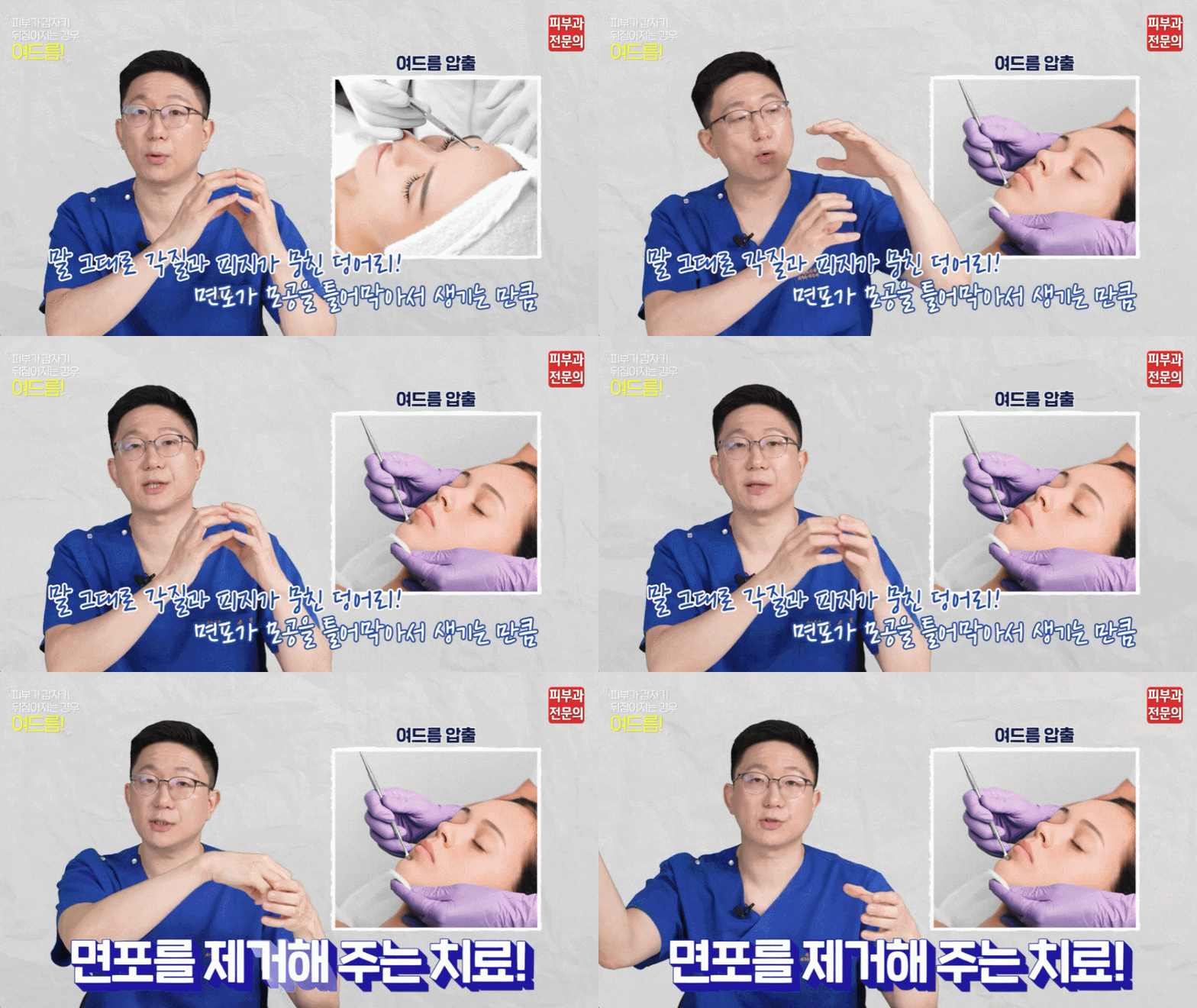
Why does acne occur?
Acne is a skin condition that develops when several causes act at once, such as increased sebum production, dead skin cells, clogged pores, and inflammatory reactions.
It occurs not only during puberty but also in adults because, in addition to hormonal changes, various factors such as stress, lack of sleep, irritating cosmetics, skin friction, and changes in humidity can affect the skin.
When sebum production increases and dead skin cells do not shed properly, pores become clogged. In that environment, inflammation develops and turns into red acne or painful breakouts.
In addition, if the skin barrier is weakened or lifestyle habits are irregular, inflammation can keep recurring more easily, creating a vicious cycle that worsens the condition.
Ultimately, it is important to first understand that acne is not simply a surface-level skin issue, but a complex skin condition influenced by both the skin’s internal environment and lifestyle habits.
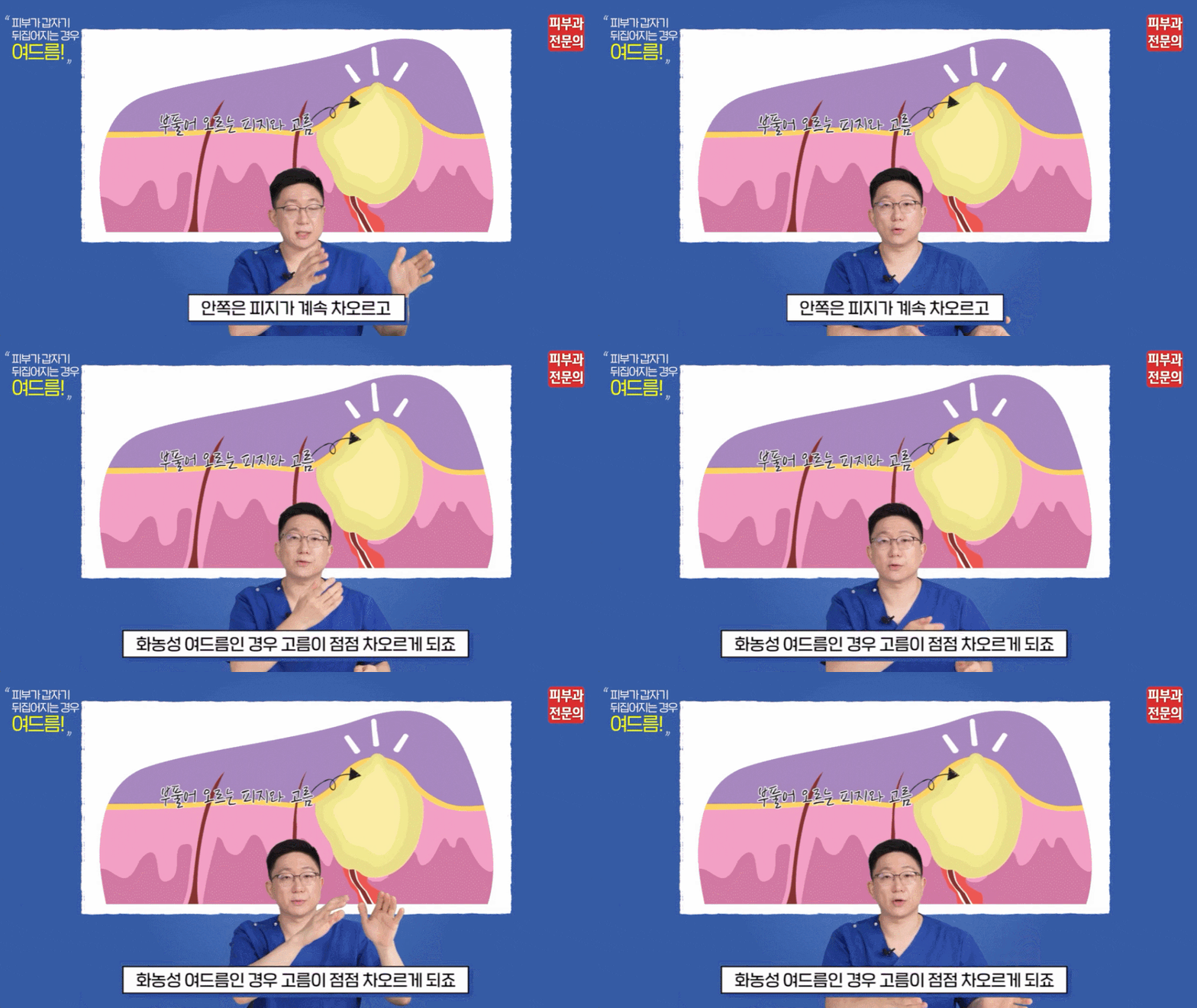
Acne treatment methods by skin condition
Acne treatment should not be the same for everyone; the approach must vary depending on the skin condition and the type of acne.
For example, when pores are clogged and sebum has built up, treatment should focus on regulating dead skin cells and sebum. If inflammation has already progressed and the skin is red, the priority is to quickly calm the inflammation through anti-inflammatory treatment.
Also, even after inflammation has subsided, pigment changes or scars remaining deep in the skin may require separate treatment, so a step-by-step approach is key to improving the expected results.
Because acne requires different approaches depending on the condition and stage of progression, dermatology clinics carefully identify the current stage through consultation and then create a customized plan.
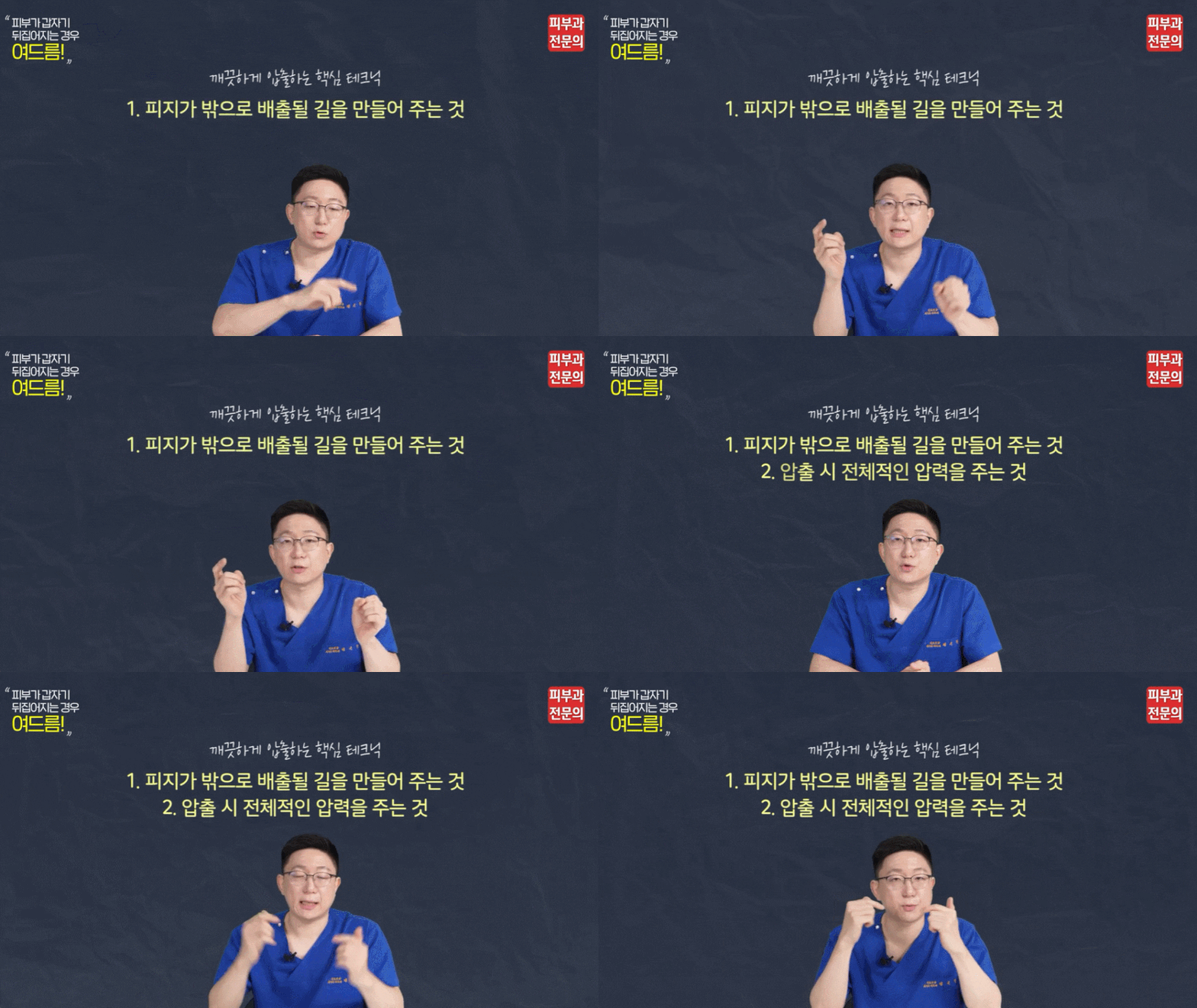
Lifestyle management points to improve treatment results
The results of acne treatment are not completed by treatment alone.
When daily care is properly maintained, treatment effects last longer and recurrence can be significantly reduced.
Washing your face too often or using irritating products can instead dry out the skin, increase sebum production, and worsen acne.
Therefore, it helps to use a cleanser suited to your skin type and apply a lightweight, low-irritation moisturizer after washing your face.
Also, touching or squeezing acne with your hands can make the inflammation deeper and greatly increase the risk of scarring, so this should definitely be avoided.
Lack of sleep, stress, and irregular eating habits are also closely related to acne, so maintaining regular sleep and a balanced diet plays a major role in improving results.

Acne is a condition that can temporarily improve and then worsen again easily.
Therefore, treatment should not be viewed as a matter that ends after one or two procedures; it requires a long-term approach that also manages the skin’s internal environment and daily habits.
If treatment is carried out accurately according to the skin condition, red inflammation can subside quickly, and repeated breakouts can gradually decrease as well.
However, in order to maintain the expected results for a long time, it is very important to reduce irritation in daily life and consistently manage moisturizing, cleansing, and sleep.
If you are struggling with acne, rather than trying to treat it on your own, please have your skin condition diagnosed and establish a treatment plan that suits you.
If you have any questions beyond what was covered above, please leave them in the comments below.
We will kindly answer them.
Thank you for reading until the end.
| This post was written for informational purposes in compliance with Article 56, Paragraphs 1–15 of the Medical Service Act. All treatments carry a risk of side effects and complications depending on the individual. Before treatment, be sure to make a thorough consultation with experienced medical staff before making a decision. |